 By Sofia Bennett, Home & Decor Editor
Reviewed & updated September 2026
Decorating a nursery is one of those projects that's easy to overspend on and easy to overthink. You don't need a themed room full of matching sets that your child will outgrow in a year — you need a calm, functional, genuinely pretty space that grows with them. Here's how to build one without the budget spiraling.
 Quick navigationCurated by Sofia · 7 min read
Start with a color palette that lasts
The biggest mistake in nursery decorating is picking a hyper-specific theme — a certain cartoon character, a very particular color combo — that feels exciting now but looks dated by the toddler years. A softer, more flexible approach holds up far longer.
Warm neutrals (soft white, oatmeal, warm greige) paired with one or two accent colors give you a base that can evolve as your child's taste develops, rather than a room you have to fully redo in 18 months. If you want more personality, add it through swappable elements — art, textiles, a mobile — rather than the wall color or big furniture pieces, which are the most expensive and time-consuming to change.
Sage green, dusty blue, warm terracotta, and soft blush are all popular right now precisely because they read as gender-neutral and age-neutral, working just as well for a newborn as for a five-year-old.
The furniture that actually matters
You don't need every piece a baby registry suggests. Focus your budget on:
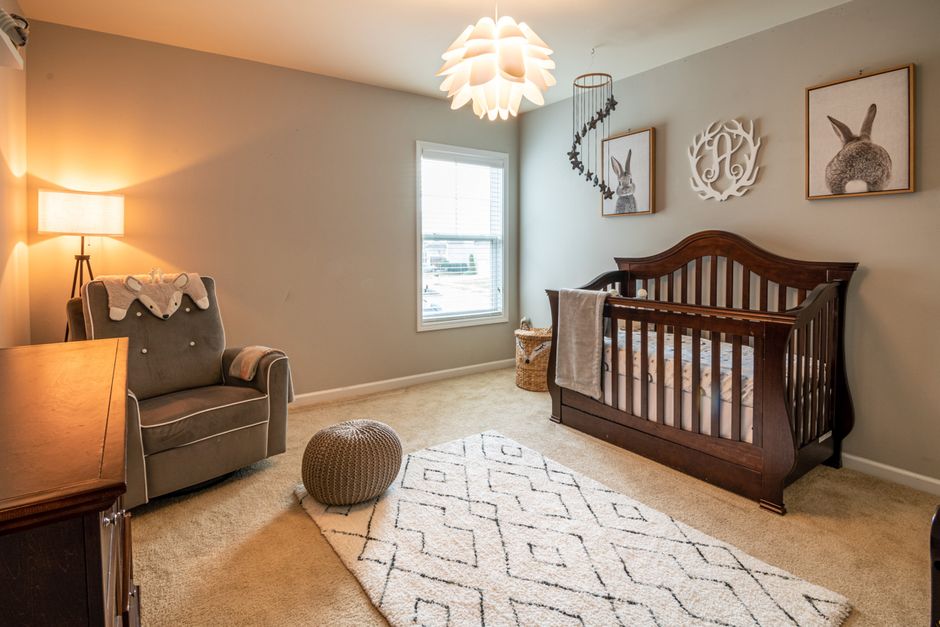
- A safe, well-reviewed crib — this is the one item worth prioritizing safety standards and reviews over aesthetics.
- A comfortable chair for feeding — you'll spend more hours in this than almost anything else in the room, so comfort matters more than how it photographs.
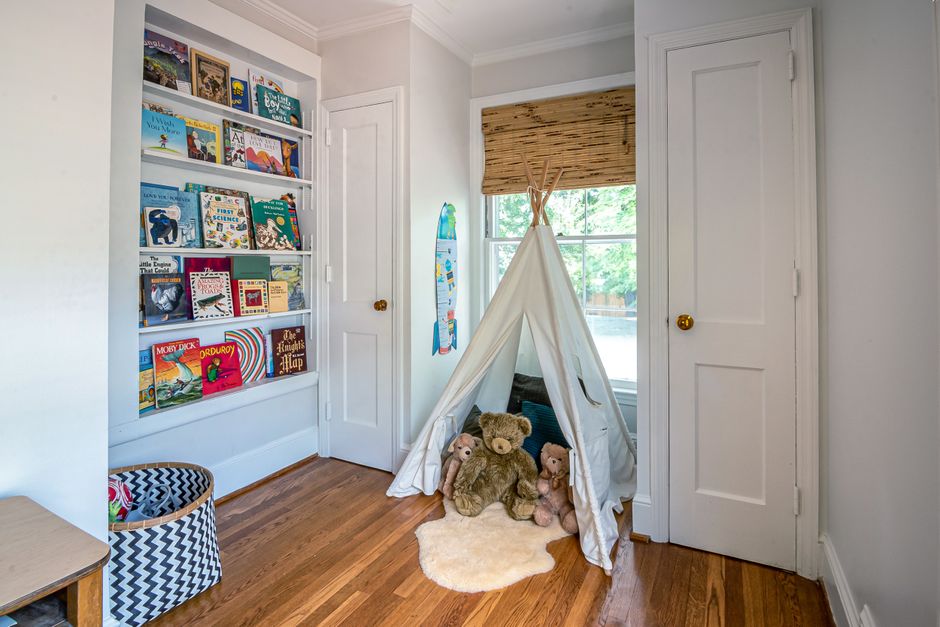
- Closed storage — a dresser or wardrobe keeps the visual clutter down far more than open shelving does, especially once toys start accumulating.
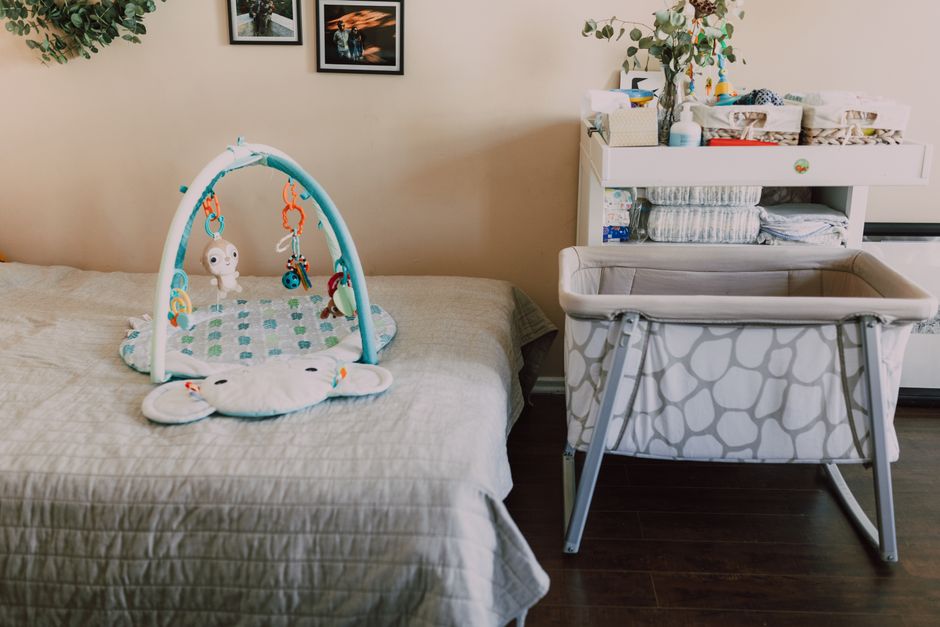
- A changing surface — this can be a dedicated changing table or simply a dresser topper, which is usually the more budget-friendly and longer-lasting option since it converts back to normal dresser use later.
Skip the themed crib bedding sets — most safety guidelines recommend a bare crib with just a fitted sheet for infants anyway, so an elaborate matching set is often money spent on something that can't even be used in the crib itself.
Where to actually spend on decor
A statement rug. A soft, washable rug adds warmth and texture to a room that's otherwise mostly hard furniture and painted walls, and it's one of the easiest elements to swap later as your child's taste changes.
Layered window treatments. Blackout curtains are genuinely functional here — a dark room supports better naps and nighttime sleep — and layering a sheer or patterned curtain over them adds softness without sacrificing function.
A gallery wall of art, not stickers. Framed prints (art, botanical prints, a child's name in a simple typeface) read as more timeless than wall decals, and unlike stickers, they move easily to a new room or a new house without damage.
One meaningful light source. A dimmable lamp or a soft pendant light does more for the mood of a nursery than overhead lighting alone, and dimmable options are genuinely useful for middle-of-the-night feedings when you don't want a bright light.
Budget-friendly ways to add personality
You don't need a big budget to make a nursery feel intentional:
- Repaint an inherited or thrifted dresser instead of buying new — a fresh coat of paint and new hardware can make a secondhand piece look custom.
- Frame inexpensive prints from a print shop or your own photography rather than buying pre-made nursery art, which is often marked up for the "nursery" label alone.
- Use removable wallpaper on one wall instead of the whole room — it delivers the visual impact of a patterned accent wall at a fraction of the cost and commitment of full wallpapering, and it comes off cleanly when you're ready for a change.
- Shop your own house first. A chair from another room, a rug from storage, or art you already own can often fill a gap in the nursery without a single new purchase.
Storage that keeps the room feeling calm
A nursery accumulates gear fast — clothes, diapers, toys, blankets — and storage is what keeps that from turning into visual chaos. A few approaches that hold up over time:
- Baskets on open shelving hide small items while still being easy to grab from during a middle-of-the-night diaper change.
- A closet organizer system maximizes vertical space in what's often a small closet, letting you store out-of-season clothing sizes without cluttering the room itself.
- A hamper inside the closet rather than a freestanding one in the room keeps laundry out of sight until wash day.
The goal is a system where everything has a designated spot before the baby arrives — retrofitting storage after the gear has already accumulated is a lot harder than setting it up empty.
The takeaway
A nursery doesn't need a fully matched theme to feel special — it needs a calm, flexible color palette, a few well-chosen furniture pieces, and storage that keeps the inevitable gear from taking over. Spend your budget on the crib, the chair you'll actually sit in, and a rug or window treatment that sets the mood, then fill in personality with art and small touches that are easy and cheap to swap out as your child grows. The nurseries that still look good years later are almost always the simpler ones.
Frequently asked questions
What colors work best for a gender-neutral nursery?
Warm neutrals like oatmeal and soft white paired with sage green, dusty blue, terracotta, or blush are popular gender-neutral choices that also tend to age well as your child grows past the baby years.
How much should I budget for nursery decorating?
It varies widely, but prioritizing the crib and a comfortable feeding chair first, then filling in decor gradually with budget-friendly items like a rug, framed prints, and repainted secondhand furniture, keeps costs far lower than trying to buy a full matching set at once.
Do I need a theme for the nursery?
No — a cohesive color palette does more long-term work than a specific theme, which tends to look dated quickly. If you want personality, add it through easily swappable elements like art and textiles rather than permanent choices like wall color.
When should I start decorating the nursery?
Most people aim to have the core setup — crib, storage, and safety essentials — ready a few weeks before the due date, leaving room to add finishing decor touches afterward without the pressure of a hard deadline.
Read next
Further reading & trusted sources
Worth knowing before you start
Most crib bedding sets are marketed heavily but barely usable, since standard infant sleep guidelines call for a bare crib with just a fitted sheet — the matching bumper and blanket end up decorating a shelf rather than the crib itself. Removable wallpaper on a single accent wall delivers most of the visual impact of fully wallpapering a nursery at a fraction of the cost and commitment, and it comes off cleanly whenever the room needs to change.
Sofia is happiest hunting down the high-end look for a fraction of the price; she’s convinced a beautiful room comes from restraint and clever styling far more than from budget. She shapes Dreamy Dwell’s room-by-room guides around ideas you can actually copy in a rental or on a tight budget — no staged ‘this is my mansion’ fantasy. AI tools help with the research and first drafts, and a human edits every piece before it goes live. We never fake reviews or pass off a styled photo as a real before-and-after.