 By Sofia Bennett, Home & Decor Editor
Reviewed & updated September 2026
A spare room the size of a walk-in closet can still make guests feel genuinely welcome — the trick is designing around the constraints instead of fighting them. These are the layouts and swaps that make a tiny guest bedroom feel considered rather than cramped.
 What you’ll find insideCurated by Sofia · 6 min read
- Start with the right bed for the footprint
- Multi-purpose is the whole strategy
- Furniture that punches above its footprint
- Make it feel cozy, not cramped
- Lighting for a room guests only use occasionally
- Storage tricks specific to guest rooms
- A simple layout that works in almost any small room
- The takeaway
- Further reading & trusted sources
Start with the right bed for the footprint
A full-size or queen bed can swallow a small room whole, leaving no space to walk around it comfortably. If the room is under roughly 90 square feet, a daybed or a twin/twin-XL is usually the better call — both free up floor space for a nightstand and a narrow dresser, and a daybed doubles as seating when the room isn't hosting anyone. If you genuinely need to sleep two guests occasionally, consider a trundle or a daybed with a pull-out frame instead of committing full-time floor space to a queen that sits empty most of the year.
Multi-purpose is the whole strategy
Very few homes can dedicate a full room solely to occasional guests, so the best small guest bedrooms are designed to earn their keep the other 350 nights a year. A daybed with storage drawers underneath, a fold-down desk that becomes a nightstand, or closet space that converts between a guest closet and off-season storage all let the room double as a home office setup or reading nook without feeling makeshift when guests arrive.
A/V rule of thumb: if the room permanently doubles as an office, keep guest essentials (fresh linens, towels, a phone charger) in a single labeled basket or drawer so converting the room back takes minutes, not an hour of hunting.
Furniture that punches above its footprint
- Nesting or stacking nightstands instead of one bulky piece — they tuck away when not needed and still provide a surface for a lamp and water glass.
- A slim wall-mounted shelf in place of a dresser for folded linens or a guest's overnight bag.
- A folding luggage rack that lives flat against the wall or in a closet until a guest arrives, rather than a stand that takes up floor space year-round.
- Under-bed storage bins for extra pillows and blankets, freeing the closet for actual hanging space.
Make it feel cozy, not cramped
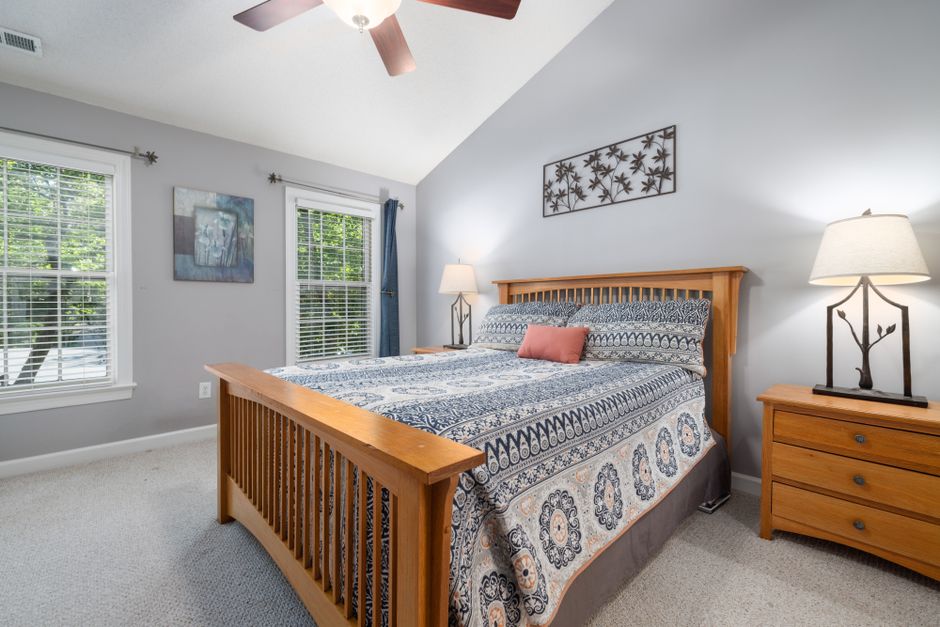
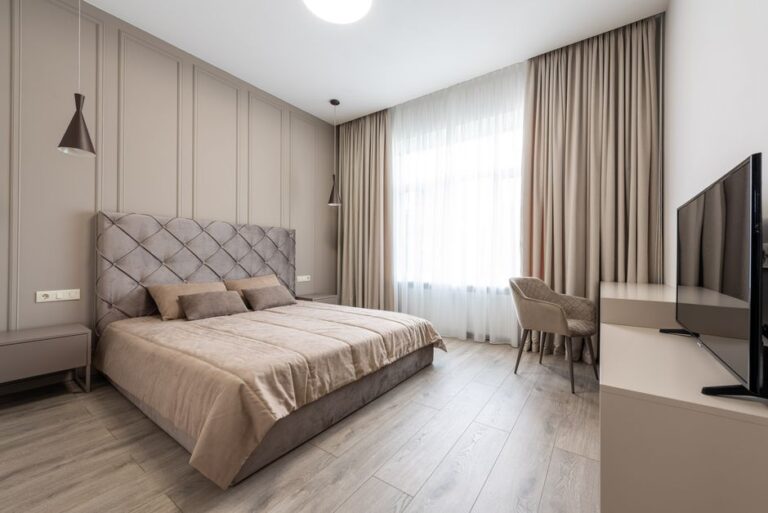
Small rooms read as cramped when they're visually busy. Stick to a tight, restful color palette — soft neutrals, warm whites, or a single muted accent — rather than patterned wallpaper or a mix of bold colors that fight for attention in a tight space. Light, breathable bedding in one or two tones goes a long way toward making any room feel cozy without visual clutter.
Mirrors are doing real work here too: a single well-placed mirror opposite the window bounces daylight around the room and makes the space read larger the moment someone walks in.
Lighting for a room guests only use occasionally
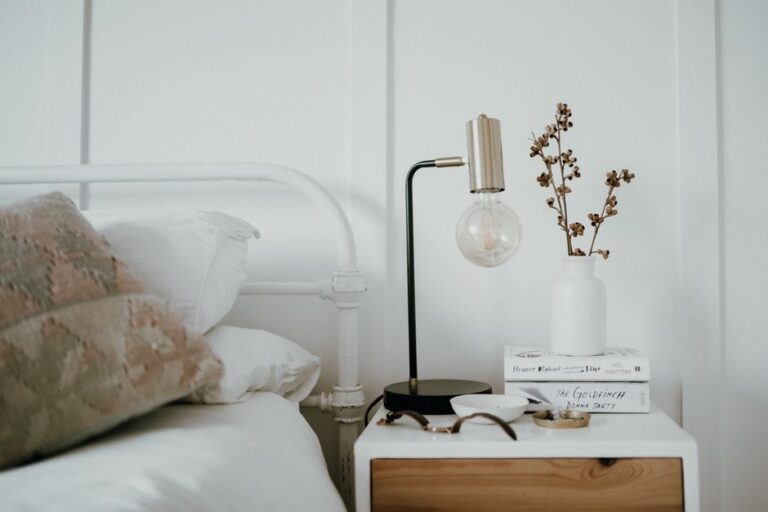
Skip overhead-only lighting, which tends to feel clinical in a small space. A warm bedside lamp plus one soft ambient source (a plug-in wall sconce or a small floor lamp in a corner) creates the kind of layered light that makes a spare room feel like a real bedroom rather than a converted storage space. If outlets are limited, a battery-operated touch lamp on the nightstand solves the problem without an electrician.
[TAKE] The detail that actually makes guests comfortable isn't decor — it's function. A working charger within reach of the bed, a lamp they can reach without getting up, and blackout-ish curtains matter more to a good night's sleep than any throw pillow arrangement, and they cost almost nothing to fix.
Storage tricks specific to guest rooms
Because this room isn't used daily, it's tempting to let it become the household's overflow storage closet. Resist that — a room stacked with bins and off-season boxes doesn't feel like a bedroom no matter how nice the bedding is. If you need the extra storage, contain it to under-bed bins or a single closet shelf, and keep the visible floor and surfaces clear. A little curated entryway-style organization — one basket, one tray, nothing loose — keeps the room feeling intentional.
A simple layout that works in almost any small room
- Bed against the longest wall, ideally not blocking the door swing or a window.
- One nightstand on the accessible side (skip the second if space is tight — a small wall shelf works instead).
- A slim dresser or wall shelf opposite or beside the bed for folded items.
- A floor lamp or small chair tucked into whatever corner is left, giving the room one moment of "extra" beyond the bare essentials.
The takeaway
A small guest bedroom works best when it does double duty the rest of the year and keeps its color palette and furniture footprint tight. Prioritize a properly sized bed, functional lighting, and a couple of genuinely useful multi-purpose pieces over decorative extras, and the room will feel welcoming without needing an extra 50 square feet you don't have.
Frequently asked questions
What size bed is best for a small guest bedroom?
A twin, twin-XL, or daybed is usually the better fit under about 90-100 square feet — a full or queen can technically fit but often leaves no comfortable walking space.
How do I make a guest room feel warm without much furniture?
Focus on layered, warm lighting and a cohesive, soft color palette rather than adding more furniture. A good lamp and quality bedding do more than extra pieces in a tight footprint.
Can a guest bedroom double as an office?
Yes, and it's one of the most practical uses of the space — just keep guest essentials contained in one labeled basket or drawer so the switch back takes minutes.
What's the biggest mistake people make with small guest rooms?
Turning it into overflow storage. A room stacked with bins and boxes stops feeling like a bedroom, no matter how nice the bed looks — keep extra storage contained and out of sight.
Read next
Further reading & trusted sources
What we’d do first
A queen bed technically fits in a lot of small guest rooms, but the walkway clearance it leaves behind is what actually determines whether the room feels usable day to day — a twin or daybed that leaves real floor space almost always beats a bigger bed crammed wall to wall. Rooms that double as an office or storage space stay feeling like a bedroom only when guest essentials are contained to one labeled basket, not scattered across the room.
Sofia is happiest hunting down the high-end look for a fraction of the price; she’s convinced a beautiful room comes from restraint and clever styling far more than from budget. She shapes Dreamy Dwell’s room-by-room guides around ideas you can actually copy in a rental or on a tight budget — no staged ‘this is my mansion’ fantasy. AI tools help with the research and first drafts, and a human edits every piece before it goes live. We never fake reviews or pass off a styled photo as a real before-and-after.