 By Sofia Bennett, Home & Decor Editor
Reviewed & updated September 2026
Cozy isn’t a style you buy — it’s a set of signals: warm light instead of overhead glare, layers you can sink into, a little texture everywhere your eye lands. Get those right and a plain room feels like a hug. Here’s how to layer them into any space, rented or owned.
This is the complete guide to making any room — living room, bedroom, office, or entryway — feel genuinely cozy. We'll go layer by layer, from lighting and texture to scent and sound, with 25 specific, mostly-free tricks you can start using tonight.
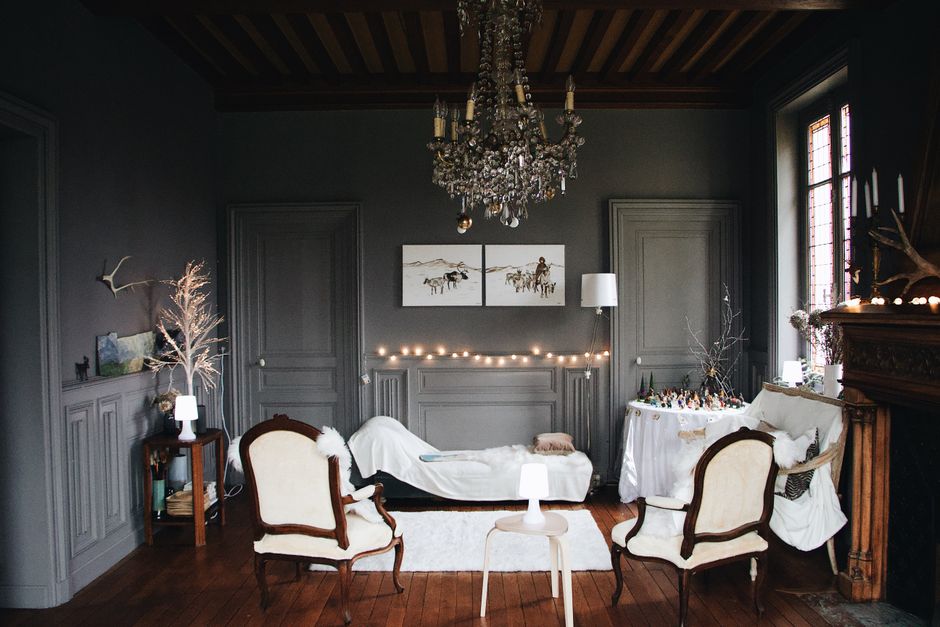 On this pageCurated by Sofia · 10 min read
- Why some rooms feel cozy and others feel cold
- Layer 1: Get the lighting right (this matters most)
- Layer 2: Build up texture
- Layer 3: Create a sense of enclosure
- Layer 4: Engage the other senses
- Layer 5: Add life and personality
- Layer 6: Edit and finish
- Room-by-room cheat sheet
- The takeaway
- Related articles
- Further reading & trusted sources
Why some rooms feel cozy and others feel cold
Before the tricks, it helps to understand the why, because once you do, you'll be able to diagnose any room yourself.
A room feels cold when it's dominated by hard surfaces, bright overhead light, empty space, and a lack of personal presence. Think of a waiting room or a brand-new rental before you move in: lots of bare wall, harsh light, echoey floors, nothing soft, nothing that says a human lives there. Every one of those qualities can be reversed.
A room feels cozy when it engages your senses gently and tells your nervous system "you're safe here." Soft warm light signals evening and rest. Layered textures invite touch. A faint pleasant scent says the space is cared for. A sense of enclosure — a defined seating area, a low ceiling line, a tucked-in nook — makes you feel held rather than exposed. Coziness, in other words, is sensory and psychological, not financial.
Layer 1: Get the lighting right (this matters most)
If you do nothing else, fix your lighting. It's the single biggest lever for coziness, and most of it is free or nearly free.
1. Banish the single overhead light. One bright ceiling fixture flattens a room and casts harsh shadows. It's the lighting of offices and operating rooms, not homes. Whenever possible, turn it off in the evening and rely on lamps instead.
2. Aim for three pools of light at different heights. Designers talk about "layered lighting": a floor lamp in a corner, a table lamp on a side table, and a small accent light on a shelf or a candle on the coffee table. Multiple low light sources create warmth and depth that one overhead light never can.
3. Switch to warm 2700K bulbs. This is the cheapest upgrade in this entire guide. Look for "warm white" or "2700K" on the box. Cool, bluish light (4000K+) feels clinical; warm light feels like candlelight and sunset.
4. Add a dimmer. A simple plug-in dimmer or smart bulb lets you drop the light in the evening. Lower light equals cozier, every time.
5. Use candlelight (real or flameless). Nothing says cozy like a flame. A wood-wick candle that gently crackles, or a cluster of flameless LED pillars on a mantel, adds movement and warmth.
6. Add fairy or string lights. Tucked along a shelf, around a headboard, or in a glass jar, tiny warm lights add a soft glow that's pure comfort.
Layer 2: Build up texture
Cozy rooms are touchable. Hard, smooth, and matching reads cold; soft, varied, and layered reads warm.
7. Start with a throw blanket. Drape a chunky knit or waffle-weave throw over the arm of a sofa or the foot of a bed. It's an instant invitation to curl up.
8. Pile on cushions in mixed fabrics. Combine linen, velvet, boucle, and knit in a tight color palette. Mixing textures (not colors) is what makes a sofa look collected and feel inviting.
9. Add a rug — or layer two. A rug warms cold floors, absorbs echo, and anchors a seating area. Layering a small patterned rug over a large jute one adds even more depth.
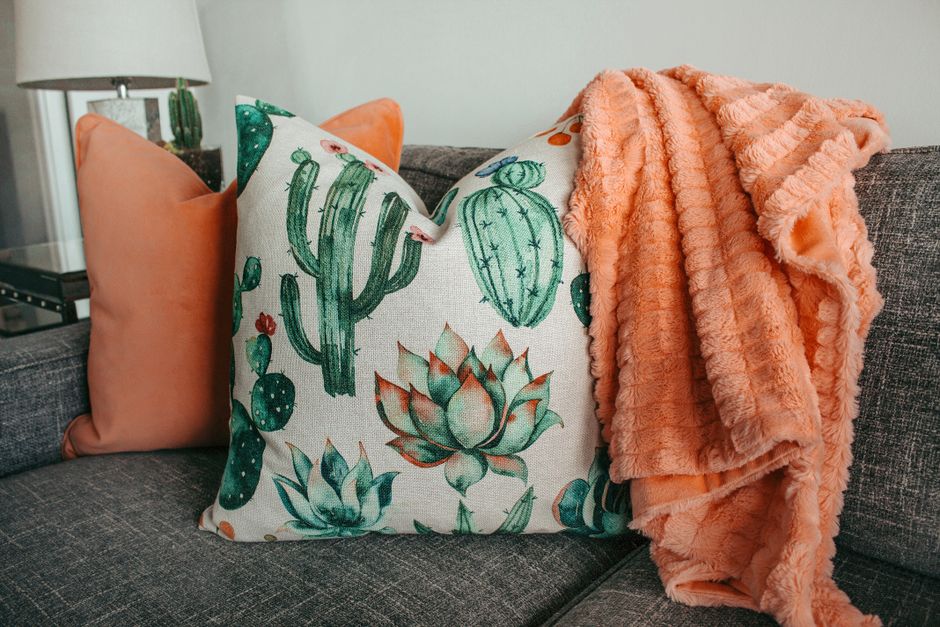
10. Bring in natural materials. Wood, rattan, jute, stone, and clay all read warm. A wooden bowl, a rattan tray, or a clay vase adds organic texture that plastic and chrome never will.
11. Hang curtains — long and full. Soft fabric at the windows absorbs sound, softens hard architecture, and frames the view. Mount the rod high and wide, and let panels just kiss the floor.
12. Use upholstered and slipcovered furniture. Soft seating is inherently cozier than hard, sleek pieces. If you can't reupholster, a slipcover or a sheepskin thrown over a chair does the trick.
Layer 3: Create a sense of enclosure
Humans feel cozy when they feel gently surrounded — this is why we love window seats, canopy beds, and corner booths.
13. Float your furniture into a conversation group. Pull the sofa off the wall and angle chairs toward each other around a coffee table or rug. A defined "room within a room" feels far cozier than furniture pushed to the edges.
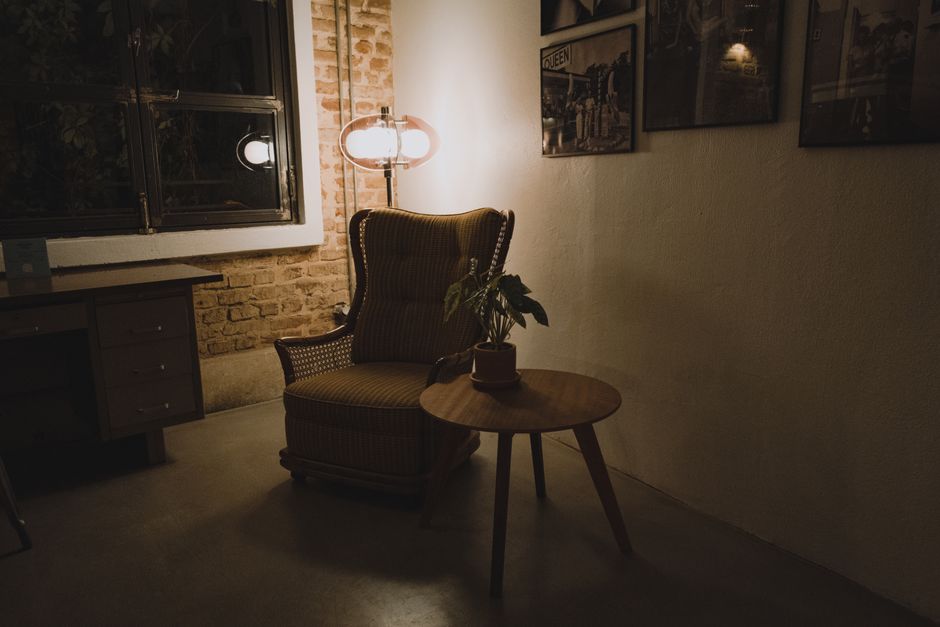
14. Carve out a reading nook. An armchair, a small lamp, a side table, and a throw in an underused corner instantly creates a cozy destination.
15. Lower the eye line. Tall, sparse rooms can feel cold. A low bookshelf, a hanging pendant that drops down, or plants cascading from a high shelf bring the visual weight down to a human, intimate level.
16. Use a room divider or tall plant. In an open-plan space, a bookshelf, screen, or large plant can define a cozier zone without building walls.
Layer 4: Engage the other senses
Coziness isn't just visual. The rooms that feel most comforting hit several senses at once.
17. Layer in scent. A candle, diffuser, or simmering pot in a warm scent — vanilla, cedar, fig, cinnamon — makes a room feel cared-for the instant you enter. Scent is powerfully tied to comfort and memory.
18. Soften the sound. Hard, echoey rooms feel cold. Rugs, curtains, upholstery, and books all absorb sound and create a hushed, calm acoustic. A little background music helps too.
19. Mind the temperature. Cozy is literally warm. A throw within reach, a draft excluder under the door, or simply nudging the thermostat up a degree in the evening makes a real difference.
Layer 5: Add life and personality
A showroom is never truly cozy because nothing in it says "a real person lives here." Personal touches are what turn a nice room into your room.
20. Bring in greenery. Plants soften hard edges, clean the air, and add life. A large plant in a corner or trailing greenery on a shelf works wonders; convincing faux plants are fine if you lack the light or time.
21. Display things you love. Books you've actually read, framed photos, travel finds, ceramics from a market — meaningful objects make a room feel lived-in and warm.
22. Curate a styled shelf. Mix books (some stacked, some upright), a small plant, a candle, and an object or two. Group in odd numbers, vary the heights, and leave breathing room.
23. Add warm-toned art. Landscapes, soft abstracts, and earthy tones feel cozier than stark black-and-white minimalism. Lean a piece on a shelf for a relaxed, collected look.
Layer 6: Edit and finish
24. Declutter onto a tray. Clutter is the enemy of calm. Corral remotes, coasters, and odds and ends onto a tray so everyday mess looks deliberate.
25. Then take a few things away. Counterintuitively, cozy isn't crowded. A few well-loved pieces with room to breathe feel more peaceful — and more expensive — than a room packed with stuff. Edit until it feels calm.
Room-by-room cheat sheet
- Living room: layered lighting, a big soft rug, a throw and cushions, a defined seating group, greenery, and a scented candle.
- Bedroom: warm bedside lamps or sconces, layered bedding (quilt + duvet + textured cushions), curtains, a rug underfoot, and blackout layers for restful dark.
- Home office: a warm desk lamp, a plant, a soft chair throw, art you love, and noise-softening textiles so it doesn't feel like a cubicle.
- Entryway: a small lamp or warm light, a runner rug, a basket or bench, hooks, and a mirror to bounce light.
- Bathroom: fluffy towels, a bath mat, a candle, a small plant that loves humidity, and warm lighting instead of harsh white.
The takeaway
Cozy is a feeling you can build on purpose. Start with the lighting — warm bulbs, lamps instead of overhead glare, a candle or two. Layer in soft textures, create a defined and enclosed seating area, and engage scent and sound. Then add life with plants and the personal objects you love, and edit until the room feels calm. None of it requires a big budget; it just requires attention to how a space makes you feel. Do that, and any room — however small or plain — can become the place everyone wants to curl up in.
Frequently asked questions
What makes a room feel cozy?
Cozy comes from warm, low-level lighting, layered soft textures (throws, cushions, rugs), natural materials, a defined and enclosed seating area, gentle scent and softened sound, and personal touches like plants and meaningful objects. It's a sensory feeling, not a question of budget or size.
How can I make my room cozy on a budget?
Start with free changes: swap to warm bulbs, turn off harsh overhead lights in favor of lamps, rearrange furniture into a conversation group, declutter, and shop your own home for throws and decor. Then add a few inexpensive layers like a throw blanket, mixed cushions, a candle, and a plant.
Why does my room feel cold and uninviting?
Usually it's harsh overhead lighting, too many hard surfaces, bare walls, empty floor space, and a lack of personal touches. Add warm lamp light, soft textures, curtains and a rug to absorb echo, greenery, and a few meaningful objects to reverse it.
What colors make a room feel cozy?
Warm neutrals and earthy tones — cream, oatmeal, warm greige, soft terracotta, clay, and muted greens — read as cozy because they reflect warm light beautifully and pair with wood and natural textiles. Very cool grays and stark whites can feel chilly by comparison.
How do I make a big, open room feel cozy?
Break it into defined zones using rugs and furniture groupings, float seating into intimate conversation areas, lower the eye line with pendants and low shelving, add a large plant or divider, and layer plenty of texture and warm lighting so the space feels gathered rather than cavernous.
Does scent really affect how cozy a room feels?
Yes. Scent is strongly linked to comfort, memory, and mood. A candle, diffuser, or simmering pot in a warm scent like vanilla, cedar, or cinnamon makes a space feel cared-for and inviting the moment you walk in, complementing the visual and textural layers.
Read next




Related articles
- How to Arrange Living Room Furniture: A Complete Layout Guide
- How to Style a Coffee Table (Step by Step)
- 20 Cozy Living Room Ideas on a Budget
- How to Style a Console Table (5 Easy Layouts)
- How to Choose the Right Curtains for Any Room
- Small Entryway Decorating Ideas That Still Feel Welcoming
Further reading & trusted sources
Where most people go wrong
Cozy is the sum of warm light, soft texture, and something living. Nail those three — a warm bulb, a chunky throw, and a plant or a few branches — and the room feels cozy before you spend on anything else.
Sofia is happiest hunting down the high-end look for a fraction of the price; she’s convinced a beautiful room comes from restraint and clever styling far more than from budget. She shapes Dreamy Dwell’s room-by-room guides around ideas you can actually copy in a rental or on a tight budget — no staged ‘this is my mansion’ fantasy. AI tools help with the research and first drafts, and a human edits every piece before it goes live. We never fake reviews or pass off a styled photo as a real before-and-after.