 By Sofia Bennett, Home & Decor Editor
Reviewed & updated September 2026
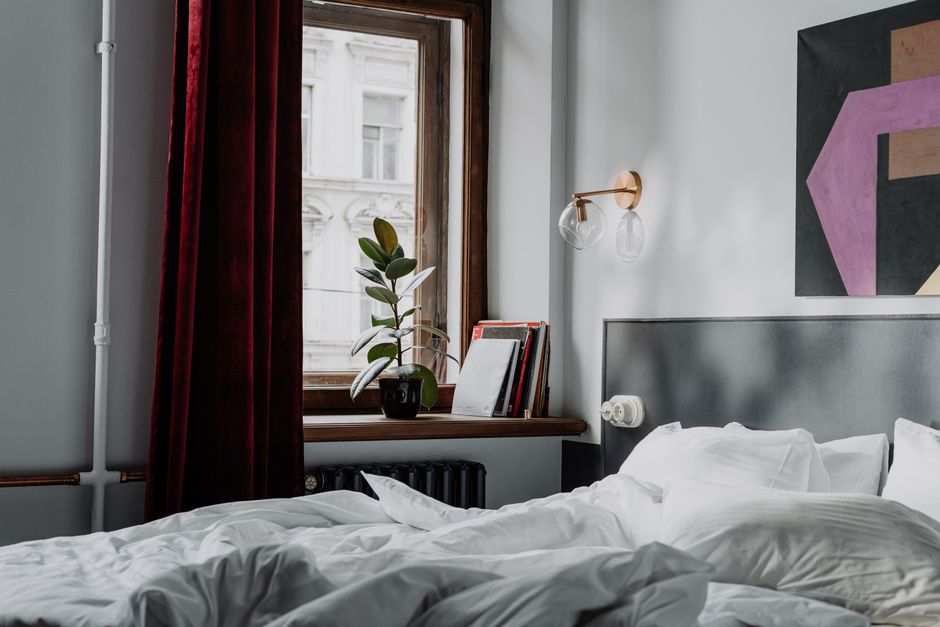
Curtains do more heavy lifting in a room than almost any other decor choice — they affect light, privacy, warmth, and how tall or wide a space feels. Here's how to choose the right ones for every room in your home, without the trial-and-error.
 Jump to a sectionCurated by Sofia · 6 min read
- Start with what you actually need the curtains to do
- Getting the length right (the detail that changes everything)
- How high to hang them (hint: higher than you think)
- Choosing fabric weight by room
- Color and pattern: the safe rules that actually work
- Common mistakes to avoid
- The takeaway
- Related articles
- Further reading & trusted sources
Start with what you actually need the curtains to do
Before thinking about color or fabric, decide the curtain's job:
- Light control — do you need to block morning sun in a bedroom, or just soften it in a living room?
- Privacy — ground-floor windows facing the street need more coverage than a second-story bedroom.
- Insulation — older windows or cold climates benefit from lined, heavier curtains that cut drafts.
- Pure decoration — sometimes a window has good privacy already (frosted glass, high placement) and curtains are purely there to soften the room.
Getting this right first narrows down fabric weight and lining before you even look at color.
Getting the length right (the detail that changes everything)
Curtain length is the single biggest factor in whether a room looks polished or off. The three options:
- Floating (an inch above the floor): clean and tailored, works well in kitchens or spaces with baseboard heaters.
- Kissing the floor: the safest, most universally flattering length — grazes the floor without dragging.
- Puddling (2-4 inches of extra fabric pooling on the floor): formal and romantic, best in bedrooms or rarely-used formal living rooms, not in high-traffic areas or homes with pets.
Avoid the most common mistake: curtains that stop a few inches short of the floor. It reads as "too small" rather than intentional, and instantly makes a room look unfinished.
How high to hang them (hint: higher than you think)
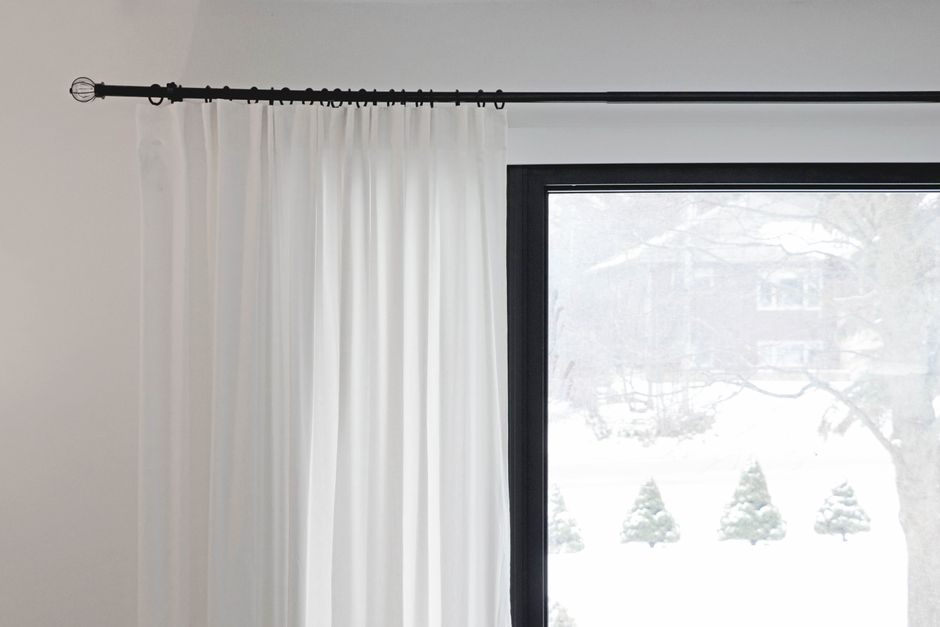
Hang curtain rods as close to the ceiling as practical — ideally 4 to 6 inches above the window frame, or even higher in rooms with tall ceilings. This trick visually stretches the wall and makes windows look larger and ceilings look taller, even if the actual window size doesn't change. Rods hung directly on top of the window frame make ceilings look lower and rooms feel more cramped.
Width matters too: extend the rod 6-12 inches beyond each side of the window frame so that when curtains are open, they frame the window rather than covering part of the glass and blocking light.
Choosing fabric weight by room
- Living rooms: medium-weight fabrics like cotton or linen blends balance light and privacy while still draping nicely.
- Bedrooms: blackout or heavily lined curtains if you need dark, uninterrupted sleep; light linen if you prefer waking with natural light.
- Kitchens and bathrooms: lighter, washable fabrics like cotton, since these rooms deal with moisture and splatters.
- Home offices: consider light-filtering (not full blackout) fabric so you get glare control on screens without losing daytime brightness.
Color and pattern: the safe rules that actually work
- Match curtains close to the wall color for a seamless, calming look that makes a small room feel larger.
- Go a shade or two darker than the wall for subtle depth without visual clutter.
- Save bold patterns for rooms with otherwise simple, neutral furniture — patterned curtains against a patterned rug or bold furniture competes for attention.
- Neutral linen or cotton is the safest long-term choice if you plan to change other decor frequently, since it won't clash with future color changes.
Common mistakes to avoid
Buying curtains before measuring twice. Standard panel lengths (63", 84", 96", 108") rarely match a specific window perfectly — measure from the rod height to the desired floor length, not the window frame itself.
Choosing sheer-only curtains for privacy-sensitive rooms. Sheers look beautiful but offer almost no privacy at night when lights are on inside.
Ignoring the return depth. If a rod sits close to the wall, curtains won't close fully flat — a few extra inches of rod projection lets them draw closed properly and block light at the edges.
Under-buying fullness. Curtain panels should be roughly two to two-and-a-half times the width of the window when closed, so they look gathered and full rather than flat and stretched.
The takeaway
The right curtains come down to three decisions: what job you need them to do (light, privacy, warmth, or looks), hanging them high and wide enough to make the window and room feel larger, and choosing a length and fabric that suits how the room is actually used. Get those right, and even simple, affordable curtains will make a room look considerably more finished.
Frequently asked questions
How much should curtains cost for a standard window?
Budget curtain panels typically range from $20-$60 per panel, while lined or designer options can run $80-$200+. Fabric weight and lining affect price more than brand name.
Should curtains match across every room in the house?
No — curtains can vary by room based on function and style, but keeping a consistent color family (all neutrals, for example) creates a cohesive flow between spaces.
Do I need both curtains and blinds?
Not always, but pairing sheer curtains with blinds or blackout liners gives the most flexibility — soft light during the day, full privacy and darkness at night.
What's the standard rule for curtain rod width?
Extend the rod 6-12 inches beyond each side of the window frame, so panels can fully clear the glass when open and let in maximum light.
Read next


Related articles
- How to Style a Bookshelf Like a Designer
- How to Arrange Living Room Furniture: A Complete Layout Guide
- How to Make Any Room Feel Cozy: 25 Designer Tricks
- How to Style a Coffee Table (Step by Step)
- 20 Cozy Living Room Ideas on a Budget
- How to Style a Console Table (5 Easy Layouts)
Further reading & trusted sources
Where most people go wrong
Hanging the rod higher than the window frame does more for a room than the curtain fabric itself — it’s the single change most likely to make a ceiling look taller for free. Curtains stopping a few inches short of the floor is the detail that most often makes a finished room read as unfinished.
Sofia is happiest hunting down the high-end look for a fraction of the price; she’s convinced a beautiful room comes from restraint and clever styling far more than from budget. She shapes Dreamy Dwell’s room-by-room guides around ideas you can actually copy in a rental or on a tight budget — no staged ‘this is my mansion’ fantasy. AI tools help with the research and first drafts, and a human edits every piece before it goes live. We never fake reviews or pass off a styled photo as a real before-and-after.