 By Sofia Bennett, Home & Decor Editor
Reviewed & updated September 2026
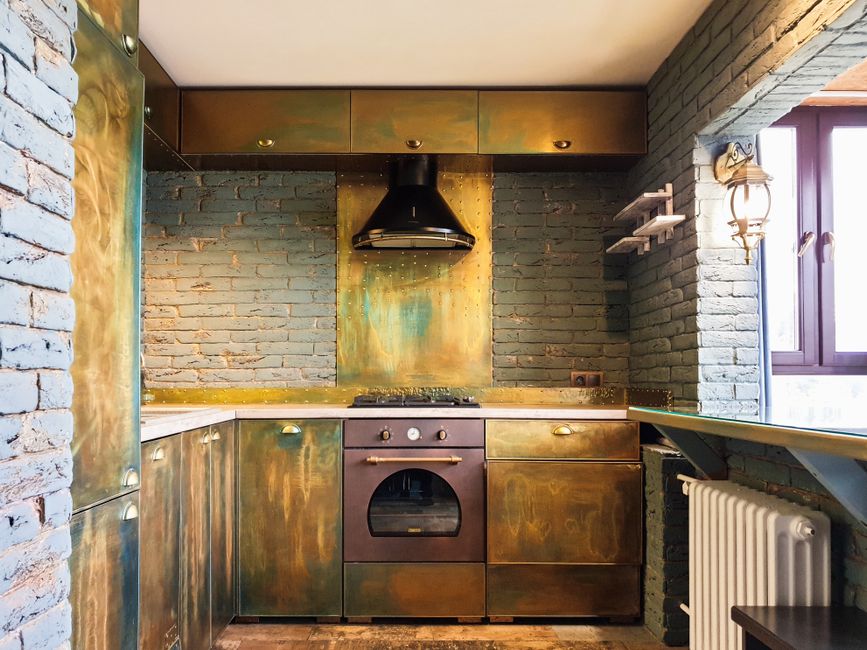
There's a rule that gets repeated in every decorating forum: pick one metal finish and stick to it everywhere. Ignore it. Some of the best-looking rooms mix two or three finishes on purpose — the trick is doing it with intention instead of by accident.
 What you’ll find insideCurated by Sofia · 5 min read
Why mixing metals works (when it's done right)
A room where every single fixture matches — same brushed nickel doorknobs, faucet, light fixtures, and picture frames — can feel flat and a little like a showroom display rather than a lived-in home. Mixing finishes adds visual depth the same way mixing textures does. The key is picking a dominant finish and one or two supporting finishes, rather than treating every metal as equal.
Pick a dominant finish first
Walk through the room and count what's already there — often it's more than you think between light fixtures, faucets, cabinet pulls, and picture frames. Choose whichever finish shows up most, or whichever your big-ticket items (like a chandelier) already are, and let that be your dominant metal at roughly 60% of the visible metal in the space.
Then add one or two supporting metals
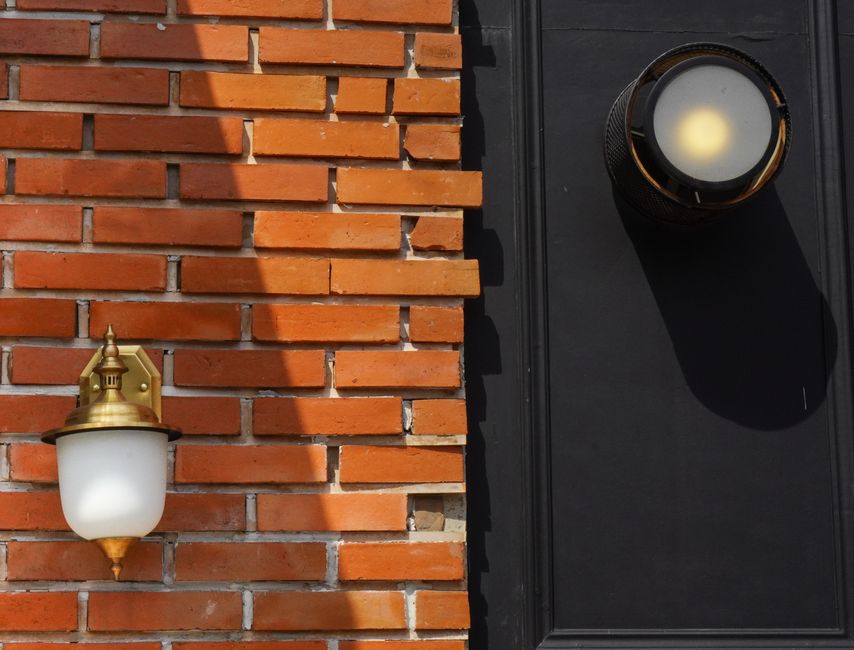
A reliable formula: dominant finish (60%), a secondary finish (30%), and a small accent finish (10%) if you want a third. Warm and cool metals pair surprisingly well when there's a clear ratio — brass with matte black, chrome with warm gold, or brushed nickel with aged bronze all work because one clearly leads.
Where to mix (and where to match)
Some places benefit from staying consistent — plumbing fixtures within the same bathroom, for instance, generally look best matched to avoid a busy feeling in a small space. Save the mixing for areas with more visual breathing room: a kitchen where cabinet hardware, a faucet, and pendant lights each get their own finish, or a living room where lamp bases, picture frames, and a mirror can each carry a different metal. If you're rethinking a whole room's layout while you're at it, our guide on small living room layout ideas is a useful next stop.
Easy entry points if you're nervous to start
- Swap just your cabinet or drawer pulls for a second finish — reversible and inexpensive.
- Add one statement light fixture in a different metal than your existing hardware.
- Layer in accent decor — a mirror frame, candle holders, or a vase — in a contrasting finish before touching any permanent fixtures.
Mixing metals in rentals
If you're renting, permanent fixture swaps may not be an option — but you can still layer in mixed metals through decor you take with you. Our guide on renter-friendly decorating ideas covers plenty of non-permanent swaps, and mirror frames, lamps, and hardware overlays (temporary peel-and-stick cabinet hardware) are an easy way to bring a second finish into a space without touching what's underneath.
The takeaway
Mixing metals isn't about breaking a rule for the sake of it — it's about choosing a dominant finish, adding intentional support, and repeating each one enough times that it reads as a decision. Start small with hardware or accent pieces if a full swap feels risky.
Frequently asked questions
What metal finishes pair best together?
Brass with matte black, and warm gold with brushed nickel, are two of the most reliable combinations because one metal is clearly warm and the other cool.
Should bathroom fixtures match?
Generally yes, in smaller bathrooms — matching plumbing fixtures keeps a small space from feeling busy. Save mixed metals for larger rooms.
How many metal finishes are too many?
More than three in one room usually starts to look unintentional rather than curated.
What's the cheapest way to try mixing metals?
Swap cabinet or drawer hardware, or add one accent piece like a mirror or lamp in a different finish, before committing to any fixture replacement.
Read next
Related articles
- How to Choose Bedding for a Hotel-Cozy Bedroom
- How to Create a Hotel-Cozy Bedroom at Home
- How to Build DIY Floating Shelves (Beginner-Friendly)
- Kitchen Decor Ideas for Renters (Damage-Free)
- How to Arrange a Gallery Wall Like a Designer
- The Best Warm Neutral Paint Colors for a Cozy Home
Further reading & trusted sources
The detail most people miss
The ratio that actually reads as ‘intentional’ rather than mismatched is closer to 60/30/10 between dominant, secondary, and accent finishes — rooms that split closer to 50/50 between two metals tend to look unresolved rather than deliberately layered. Repeating each finish at least twice in a room is the detail that separates a styled space from one that just has leftover mismatched hardware.
Sofia is happiest hunting down the high-end look for a fraction of the price; she’s convinced a beautiful room comes from restraint and clever styling far more than from budget. She shapes Dreamy Dwell’s room-by-room guides around ideas you can actually copy in a rental or on a tight budget — no staged ‘this is my mansion’ fantasy. AI tools help with the research and first drafts, and a human edits every piece before it goes live. We never fake reviews or pass off a styled photo as a real before-and-after.