 By Sofia Bennett, Home & Decor Editor
Reviewed & updated September 2026
Bedding is the most-touched, most-slept-in purchase in your entire home — and yet it's where most people either overspend on a brand name or underspend on scratchy bargain sets they regret by week two. The truth is that a genuinely cozy, beautiful bed comes down to understanding a few materials, weaves, and layering principles. Once you do, you can build a bed that feels like a luxury hotel for a sensible price.
This is your complete buying guide to bedding: the fabrics, the layers, the sizing tricks, and how to care for it so it lasts. As an Amazon Associate we may earn from qualifying purchases at no extra cost to you, and we never quote exact prices since they change constantly.
 Quick navigationCurated by Sofia · 8 min read
First, understand the layers
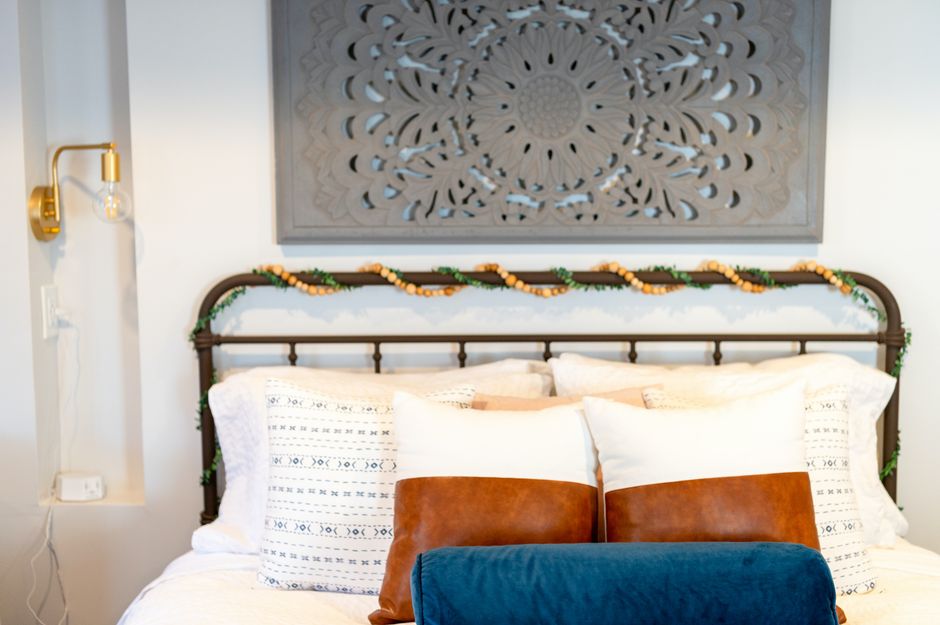
A cozy bed isn't one product — it's a system of layers, each doing a job. Build these and your bed will look and feel hotel-grade:
- Fitted sheet — wraps the mattress; the foundation everything sits on.
- Flat (top) sheet — optional but loved by many; adds a crisp, tuckable layer.
- Duvet or comforter — the main warmth layer. A duvet is an insert inside a washable cover; a comforter is a single quilted piece.
- Quilt or coverlet — a thinner layer for warmth control and visual texture, often folded at the foot.
- Pillows — sleeping pillows plus decorative shams and an accent cushion.
You don't need every layer, but the look of a luxurious bed comes from at least three: sheet, duvet, and a folded throw or quilt.
Decoding sheet fabrics
Sheets are where comfort lives, so this is worth getting right.
Cotton (the safe, excellent default)
- Percale — a crisp, matte, breathable weave that feels cool and hotel-like. Best for hot sleepers and anyone who loves a fresh, crisp bed.
- Sateen — a silky, slightly lustrous weave that feels smooth and warm. Best if you like a softer, more luxurious hand.
- Look for long-staple cotton (often labeled Egyptian or Supima) for durability and softness. Ignore inflated thread-count claims above ~400 — weave and fiber quality matter far more than a big number.
Linen (relaxed, breathable, gets better with age)
Linen is breathable, temperature-regulating, and has a beautifully relaxed, lived-in look. It feels textured rather than smooth, softens with every wash, and suits a casual, earthy aesthetic. It's an investment but extremely long-lasting.
Bamboo / Tencel (silky and cooling)
These plant-based fibers feel buttery-smooth and wick moisture well, making them great for hot sleepers who find linen too textured.
What to avoid
Cheap polyester microfiber traps heat, pills quickly, and rarely feels good for long. It's fine as a budget stopgap but not for a bed you want to love.

Choosing your duvet or comforter
Duvet vs. comforter: A duvet (insert + washable cover) is more versatile — you can wash the cover easily and swap covers to change your look or season. A comforter is simpler and ready to use but harder to wash and restyle. For a hotel look with flexibility, a duvet insert inside a cover wins.
Fill options:
- Down — lightest, fluffiest, and warmest, but pricier and not for allergy-sensitive sleepers.
- Down alternative — synthetic fill that mimics down, washable and allergy-friendly, excellent value.
The fullness trick: buy your duvet insert one size larger than your mattress (a king insert on a queen bed). The extra drape is exactly what gives hotel beds that plush, generous look.
Building the pillow layers
Pillows do double duty: sleeping comfort and styling.
- Sleeping pillows: match the loft to how you sleep — firmer and higher for side sleepers, softer and flatter for stomach sleepers, medium for back sleepers.
- Euro shams (large squares) stand at the back for a propped, layered hotel look.
- Standard shams sit in front of the euros.
- One accent cushion (a lumbar pillow or a textured square) finishes the arrangement.
Keep the palette tight and let texture — not loud color — do the work.
Choosing a color palette
For a calm, timeless, cozy bed:
- All-neutral (white, cream, oatmeal, soft grey) reads clean and restful and never dates.
- Tonal earth tones (warm beige base with clay or sage accents) feel current and cozy.
- One accent color against a neutral base adds personality without chaos.
Mixing textures in the same palette — a linen duvet, a chunky knit throw, a quilted coverlet — looks far more designed than mixing lots of colors.
Seasonal layering
A great bed adapts through the year:
- Summer: percale or linen sheets, a lightweight duvet or just a coverlet.
- Winter: sateen sheets, a warmer down or down-alternative duvet, plus a chunky throw and an extra blanket.
- Year-round: keep a folded quilt or throw at the foot so you can add warmth without remaking the whole bed.
Caring for your bedding so it lasts
- Wash sheets weekly in warm (not hot) water; wash duvet covers every couple of weeks.
- Skip fabric softener on cotton and linen — it coats fibers and reduces breathability and absorbency. Wool dryer balls soften naturally.
- Dry on low and remove promptly to limit wrinkles; line-dried linen and percale look beautifully crisp.
- Rotate two sheet sets so each gets a rest and they last longer.
- Store spare bedding in a breathable cotton bag, not sealed plastic, to avoid musty smells.
A simple shopping checklist
- Choose a sheet fabric that matches your sleep style (percale = cool/crisp, sateen = soft/warm, linen = relaxed/breathable).
- Pick a duvet insert (down or down-alternative), sized up for fullness, plus a washable cover.
- Add a quilt or throw for the foot of the bed.
- Get sleeping pillows matched to your position, plus shams and one accent cushion.
- Keep everything in a tight, mostly-neutral palette and mix textures, not colors.
The takeaway
Beautiful, cozy bedding is about layers and materials, not brand names. Build the system — quality cotton or linen sheets, a generously sized duvet, a quilt at the foot, and layered pillows — in a calm neutral palette with mixed textures. Match the fabrics to how you actually sleep, care for them properly, and your bed will feel like a luxury hotel for years, at a price that makes sense.
Frequently asked questions
What are the most comfortable sheets?
It depends on preference: percale cotton feels crisp and cool, sateen cotton feels silky and warm, and linen feels relaxed and breathable. All three made from quality long-staple fiber beat cheap microfiber, which traps heat and pills. Choose based on whether you sleep hot and like crisp, or prefer soft and cozy.
Is a high thread count better?
Not necessarily. Beyond about 400, thread count is often inflated marketing. Fiber quality (long-staple cotton) and weave (percale vs. sateen) affect comfort and durability far more than a big thread-count number.
Duvet or comforter — which is better?
A duvet (insert plus a washable cover) is more versatile: you can wash the cover easily and swap covers to change your look or season. A comforter is simpler and ready to use but harder to launder and restyle. For a flexible hotel look, choose a duvet.
How do hotels make beds look so full and luxurious?
They layer multiple bedding components and use a duvet insert one size larger than the mattress so it drapes generously. Stacked pillows — euro shams, standard shams, and an accent cushion — plus a folded throw at the foot complete the plush, layered effect.
What bedding colors are best for a cozy bedroom?
Calm neutrals — white, cream, oatmeal, and soft grey — read restful and never date. Tonal earth tones or a single muted accent against a neutral base also work beautifully. Mixing textures within one palette looks more luxurious than mixing many colors.
How often should I wash my bedding?
Wash sheets and pillowcases about once a week in warm water, and duvet covers every couple of weeks. Skip fabric softener on cotton and linen to preserve breathability, dry on low, and rotate two sets so your bedding lasts longer and always feels fresh.
Read next

Related articles
- 30 Small Kitchen Storage and Organization Ideas
- How to Create a Hotel-Cozy Bedroom at Home
- How to Build DIY Floating Shelves (Beginner-Friendly)
- Kitchen Decor Ideas for Renters (Damage-Free)
- How to Arrange a Gallery Wall Like a Designer
- The Best Warm Neutral Paint Colors for a Cozy Home
Further reading & trusted sources
The part that actually matters
What makes a bed look hotel-cozy isn’t the set itself, it’s layering weights — a lighter quilt over a heavier duvet, plus two pillow sizes. A single flat comforter always looks flatter in person than it did in the listing photo.
Sofia is happiest hunting down the high-end look for a fraction of the price; she’s convinced a beautiful room comes from restraint and clever styling far more than from budget. She shapes Dreamy Dwell’s room-by-room guides around ideas you can actually copy in a rental or on a tight budget — no staged ‘this is my mansion’ fantasy. AI tools help with the research and first drafts, and a human edits every piece before it goes live. We never fake reviews or pass off a styled photo as a real before-and-after.