 By Sofia Bennett, Home & Decor Editor
Reviewed & updated September 2026
Walk into a designer-decorated home and you sense "expensive" before you can name why. It's rarely the price tags — it's a set of choices that read as considered, calm, and cohesive. The encouraging truth for the rest of us is that "looking expensive" is a skill, not a budget. Designers use the same handful of tricks again and again, and almost all of them cost little or nothing. Master these and your home will look far more high-end than what you actually spent.
Here are the designer principles that make a space look expensive, organized so you can start with the free ones today.
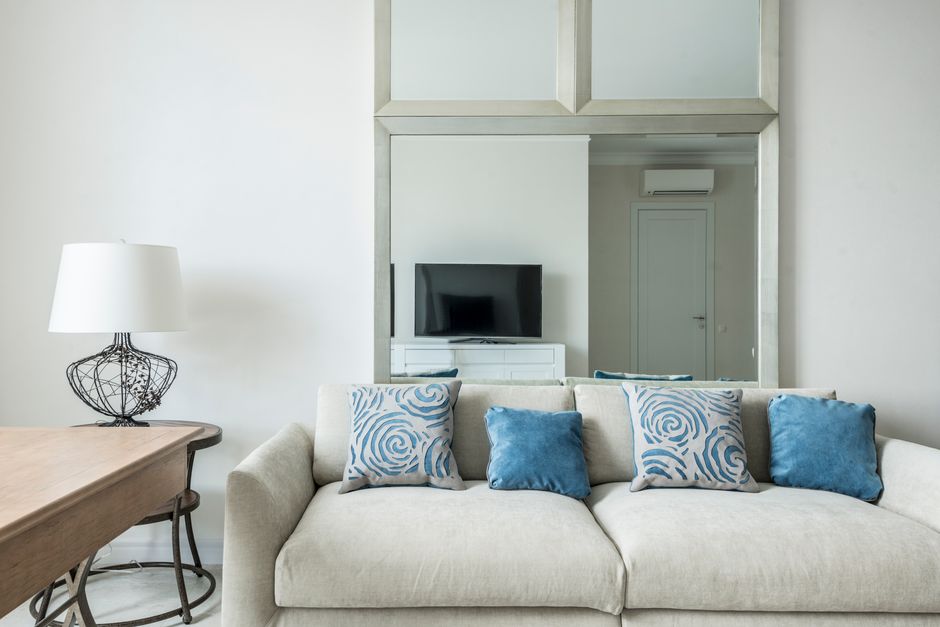 Jump to a sectionCurated by Sofia · 7 min read
The free moves (do these first)
1. Declutter ruthlessly
Nothing reads "cheap" like clutter, and nothing reads "expensive" like calm, breathing space. Clear surfaces, edit your shelves down to a few good pieces, and give everything a home. This single free step does more than any purchase.
2. Stick to a tight, cohesive palette
Expensive-looking rooms use a restrained palette — a neutral base plus one or two accent tones — repeated throughout. A rainbow of colors reads chaotic and cheap; cohesion reads luxurious. Choose your palette and edit anything that fights it.
3. Fix your lighting
Harsh overhead light flattens a room and exposes every flaw. Switch to warm 2700K bulbs and layer in lamps at different heights for pools of warm light. Good lighting alone can make a modest room feel like a boutique hotel.
4. Make everything clean and cared-for
Spotless windows, dusted surfaces, fresh paint touch-ups, tightened cabinet hardware, and no scuffs or cobwebs. A well-maintained home always looks more expensive than a neglected one, regardless of what's in it.
5. Rearrange for better flow
Float furniture into intentional groupings, pull pieces off the walls, and create clear sightlines. A well-arranged room looks designed; a room of furniture shoved against walls looks like a dorm.
The high-impact upgrades
6. Hang curtains high and wide — and let them puddle
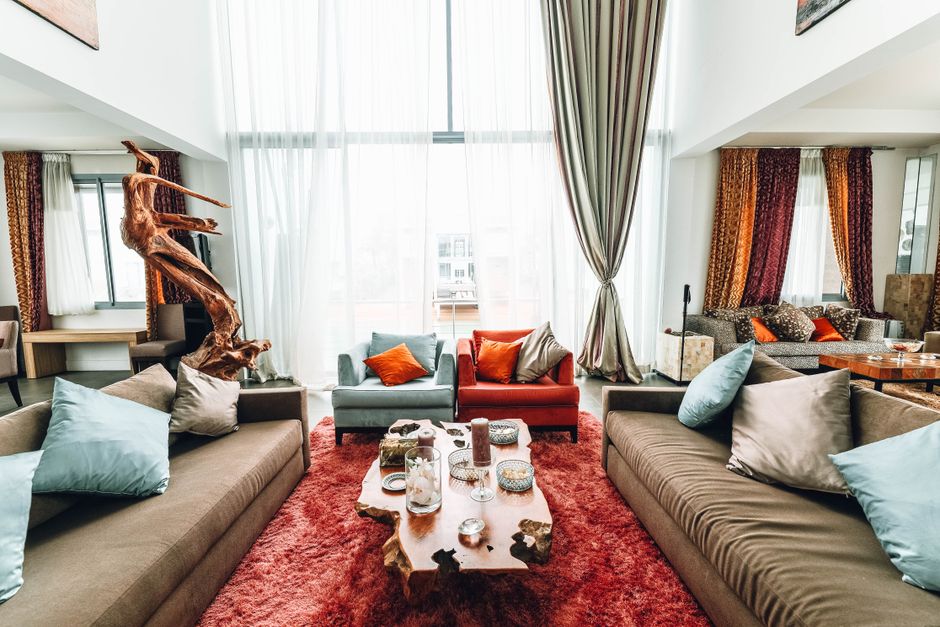
This is the designer's favorite cheap trick. Mount curtain rods close to the ceiling and extend them well past the window frame, with panels long enough to just kiss or lightly pool on the floor. It makes ceilings look taller, windows grander, and the whole room more luxurious — for the price of a longer rod and floor-length panels.
7. Size your rug correctly
A too-small rug is the fastest way to make a room look cheap. Go big enough that the front legs of your furniture sit on it. A large, simple rug grounds the room and looks intentional.
8. Scale your art up
Tiny art floating on a big wall looks like an afterthought. Go large — one big piece or a gallery wall that fills about two-thirds the width of the furniture below — and frame it well with generous mats.
9. Add architectural interest
Trim, molding, a board-and-batten accent wall, or peel-and-stick paneling adds the custom, built-in character that expensive homes have. Many versions are achievable DIY for very little.
10. Upgrade the "jewelry"
Swap cheap-looking hardware (cabinet pulls, doorknobs, switch plates), dated light fixtures, and flimsy curtain rods for simple, quality-looking versions in cohesive finishes. These small details are disproportionately noticeable.
The styling secrets
11. Add real texture and natural materials
Expensive rooms are layered with texture: linen, wool, jute, wood, stone, ceramic, rattan. Mix matte and natural finishes rather than lots of shiny plastic and chrome. Texture adds the depth and warmth that signal quality.
12. Bring in greenery
Real plants (or convincing faux ones) and fresh stems add life, color, and a curated feel. A large plant in a corner or a simple arrangement of branches looks effortlessly high-end.
13. Style in odd numbers with varied heights
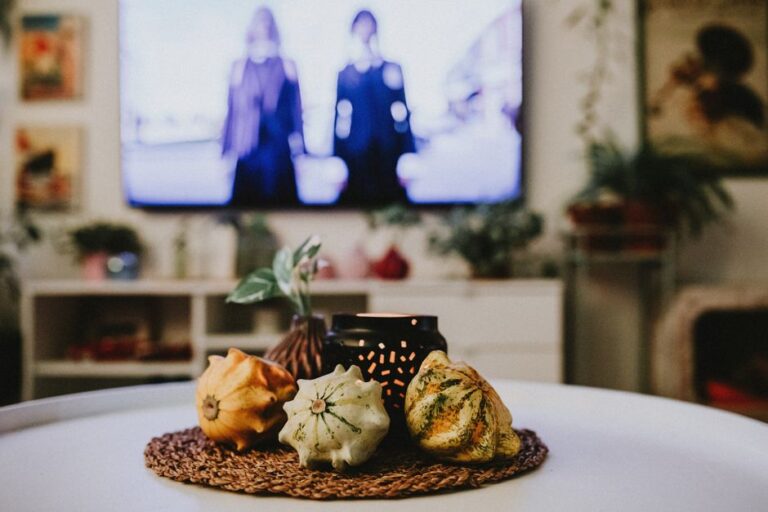
Group decor in threes or fives, vary the heights (a tall stem, a stack of books, a low bowl), and leave breathing room. This is the formula behind every "styled" shelf and coffee table.
14. Choose quality over quantity
A few well-made, well-loved pieces look more expensive than a room full of cheap filler. Save for the items that matter (a good sofa, quality bedding) and keep everything else simple and restrained.
15. Add soft, layered details
Plush throws, mixed-texture cushions, fresh flowers, a scented candle, and good-quality textiles where you touch them (bedding, towels) add the sensory richness of a luxurious home.
What makes a home look cheap (and how to avoid it)
- Clutter → edit and contain.
- Harsh overhead lighting → warm bulbs and layered lamps.
- Too-small rugs and art → scale up.
- Curtains hung low and short → hang high, wide, and long.
- A chaotic color palette → restrain to a cohesive scheme.
- Lots of shiny plastic → swap for natural materials and texture.
- Neglected maintenance → keep it clean and in good repair.
The takeaway
Looking expensive is about cohesion, calm, and a handful of designer moves — not a big budget. Start free: declutter, restrain your palette, fix the lighting, and rearrange for flow. Then add the high-impact tricks — curtains hung high and long, a properly sized rug, scaled-up art, and upgraded "jewelry" like hardware and fixtures. Layer in texture, greenery, and thoughtful styling, and prioritize a few quality pieces over lots of filler. Do that, and your home will look like it cost far more than it did.
Frequently asked questions
How can I make my home look expensive on a budget?
Start with free moves — declutter, use a tight cohesive color palette, switch to warm layered lighting, and rearrange furniture for good flow. Then add high-impact tricks like hanging curtains high and long, using a properly sized rug, scaling up your art, and swapping cheap hardware and fixtures for cohesive, quality-looking ones.
Why does my home look cheap?
The usual culprits are clutter, harsh overhead lighting, too-small rugs and art, curtains hung low and short, a chaotic color palette, lots of shiny plastic, and neglected maintenance. Each has a simple fix: edit, warm the light, scale up, hang curtains high, restrain the palette, add natural texture, and keep things clean.
What is the cheapest way to make a room look more expensive?
Decluttering and improving the lighting cost nothing and have the biggest impact. After that, hanging your existing curtains higher and wider, rearranging furniture into intentional groupings, and styling surfaces with a few items in odd numbers all elevate a room for little or no money.
How do curtains make a room look more expensive?
Mounting the rod close to the ceiling and extending it past the window frame, with panels long enough to just touch or lightly pool on the floor, makes ceilings look taller and windows grander. It's one of the most effective and affordable designer tricks for an elevated look.
Should I spend money on a few quality pieces or lots of cheaper ones?
A few well-made, well-chosen pieces look more expensive than a room full of cheap filler. Invest where it counts — a good sofa, quality bedding, a substantial rug — and keep everything else simple, restrained, and cohesive. Quality and editing read as luxury; clutter and filler read as cheap.
Read next

Related articles
- How to Create a Hotel-Cozy Bedroom at Home
- How to Arrange Living Room Furniture: A Complete Layout Guide
- How to Make Any Room Feel Cozy: 25 Designer Tricks
- How to Build DIY Floating Shelves (Beginner-Friendly)
- Kitchen Decor Ideas for Renters (Damage-Free)
- How to Arrange a Gallery Wall Like a Designer
Further reading & trusted sources
A small thing that makes a big difference
Expensive-looking rooms almost always share three cheap moves: warm dimmable light, oversized art, and ruthless de-cluttering. None cost much — the ‘luxury’ is mostly restraint and the right lightbulb.
Sofia is happiest hunting down the high-end look for a fraction of the price; she’s convinced a beautiful room comes from restraint and clever styling far more than from budget. She shapes Dreamy Dwell’s room-by-room guides around ideas you can actually copy in a rental or on a tight budget — no staged ‘this is my mansion’ fantasy. AI tools help with the research and first drafts, and a human edits every piece before it goes live. We never fake reviews or pass off a styled photo as a real before-and-after.