 By Sofia Bennett, Home & Decor Editor
Reviewed & updated September 2026
Decorating a kid's room comes with a problem grown-up bedrooms don't have: the person living in it changes fast, and their taste changes even faster. The trick is building a room around flexible bones — layout, storage, and a neutral base — so the personality can shift with them instead of requiring a full redo every couple of years.
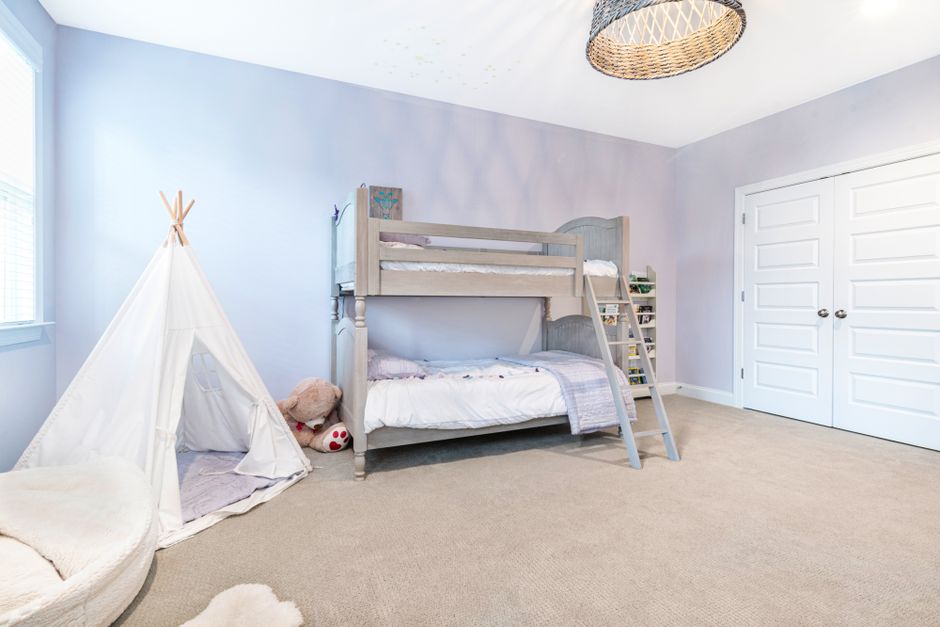 Quick navigationCurated by Sofia · 6 min read
- Start with a base that outlasts a phase
- Furniture that scales with age
- Storage that kids can actually use
- Designing for the age you’re decorating for
- A gallery wall that grows with your kid
- Lighting that does double duty
- Making room for their input (without redecorating monthly)
- Budget-friendly ways to refresh as they grow
- The takeaway
- Further reading & trusted sources
Start with a base that outlasts a phase
Whatever theme your child is currently obsessed with, resist painting the whole room around it. Dinosaurs, a specific cartoon, a favorite color — these tend to have a shelf life of one to three years, while paint and big furniture pieces are expensive and disruptive to redo. A better approach is a neutral or soft-color wall (a warm white, light gray, or a muted pastel) as the base, then let the current obsession show up in things that are cheap and easy to swap: bedding, a few wall decals, a lamp, throw pillows, or a gallery of prints.
Furniture that scales with age
Buying furniture sized for a toddler often means replacing it again within a couple of years. Where possible, choose pieces that adjust or simply work at multiple ages: a twin or full bed instead of a toddler bed, a desk with an adjustable-height chair, and storage furniture (dressers, bookshelves) built at a standard size rather than a miniature "kid" scale. A few genuinely kid-scaled pieces are worth it for now — a reading nook chair, a low bookshelf they can reach — but the big-ticket items are worth buying for the room they'll grow into.
Storage that kids can actually use
The single biggest daily-life improvement in a kid's room is storage they can reach and understand without help. Low, open bins are more effective than a tall closet with a rod they can't reach, because a child is far more likely to put something back if it just needs to go into an obvious, low bin rather than be hung or folded. Labeling bins with pictures (for kids too young to read) or simple words keeps the system working without you having to re-sort it constantly. A closet organizer with a lower rod for their current height, plus a higher rod that gets used as they grow, avoids a full closet redo down the line.
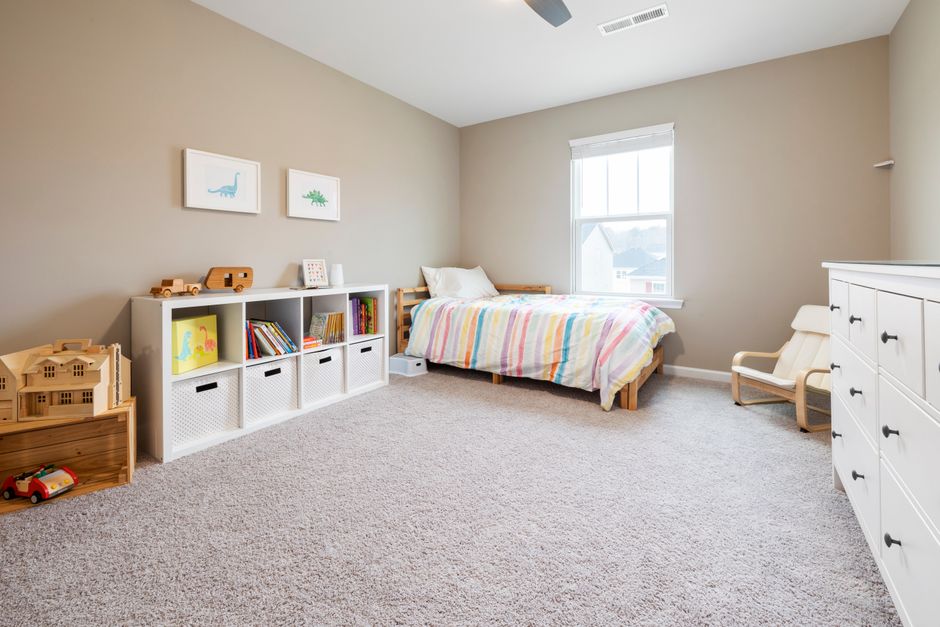
Designing for the age you're decorating for
- Nursery to toddler: Prioritize safety (secured furniture, no small loose decor within reach) and soft, calming colors that support sleep — this is the room where function matters most.
- Early elementary: This is when personality really starts showing up — favorite colors, characters, and interests. Lean into swappable, low-cost personalization rather than expensive permanent choices.
- Tweens: Kids this age often want more say in the room and start gravitating toward a "cooler," less babyish look. A neutral base pays off here since it can shift toward a more mature palette with new textiles rather than a repaint.
A gallery wall that grows with your kid
A rotating gallery wall is one of the most flexible design elements you can build into a kid's room. Use a mix of simple frames and removable adhesive strips so pieces can be swapped without patching holes — their own artwork, a few decorative prints, a photo or two — and refresh it every few months as their interests and creations change. This gives a room a constantly "current" feeling without touching paint or furniture at all.
Lighting that does double duty
A kid's room benefits from layered lighting more than almost any other room: a main overhead light for daytime tidying and play, a softer lamp or nightlight for bedtime, and if there's a desk or reading corner, a dedicated task light there. A dimmable option on the main fixture, where possible, is genuinely useful — bright for playtime, low for winding down before bed.
Making room for their input (without redecorating monthly)
Give kids a defined, contained space to express their current interests — one wall, a bulletin board, or a shelf they fully control — rather than letting every decor decision be up for debate. This satisfies their desire for ownership over the space while keeping the rest of the room's bigger, more expensive elements stable and neutral.
Budget-friendly ways to refresh as they grow
- Swap bedding and a few throw pillows for an instant, low-cost update when a phase changes.
- Repaint one accent wall instead of the whole room when the color needs to shift.
- Use peel-and-stick decals or washi tape art instead of permanent wall treatments for anything theme-specific.
- Reuse existing furniture with new hardware (drawer pulls, knobs) for a quick, inexpensive refresh.
The takeaway
A kid's room that's built to last starts with neutral, adaptable bones — walls, big furniture, core storage — and leaves the personality to cheaper, swappable layers like bedding, art, and accessories. Designing for reachable storage and a flexible layout means fewer full redos and a room that keeps feeling right for years instead of months.
Frequently asked questions
How often should I redecorate a kid's room?
Full redecorating (paint, major furniture) works well every 4-6 years or at major transitions like nursery-to-big-kid-bed; smaller refreshes (bedding, decor) can happen as often as their interests shift, sometimes yearly.
What's the best paint color for a kid's room that will last?
A warm white, soft gray, or muted pastel tends to age well across interests and ages, since it acts as a blank canvas for whatever theme or color scheme comes and goes.
How do I get kids to actually use their storage system?
Keep it low, open, and simple — bins they can see into and reach without help are used far more consistently than closed drawers or high shelves.
Should I let my child pick their own room theme?
Giving them a defined space (one wall, a shelf, a bulletin board) to fully control tends to work better than theming the entire room, since it satisfies their input without locking in an expensive, short-lived look.
Read next
Worth knowing before you start
Furniture sized specifically for toddlers is usually outgrown within two years, while a standard-size bed or desk with an adjustable chair keeps working for most of a child’s early life — the miniature scale mainly adds cost, not real longevity. Low, open bins get used far more consistently than closed drawers or a high closet rod, since a child is genuinely more likely to put something away when the storage doesn’t require reaching or remembering a system.
Further reading & trusted sources
Sofia is happiest hunting down the high-end look for a fraction of the price; she’s convinced a beautiful room comes from restraint and clever styling far more than from budget. She shapes Dreamy Dwell’s room-by-room guides around ideas you can actually copy in a rental or on a tight budget — no staged ‘this is my mansion’ fantasy. AI tools help with the research and first drafts, and a human edits every piece before it goes live. We never fake reviews or pass off a styled photo as a real before-and-after.