 By Sofia Bennett, Home & Decor Editor
Reviewed & updated September 2026
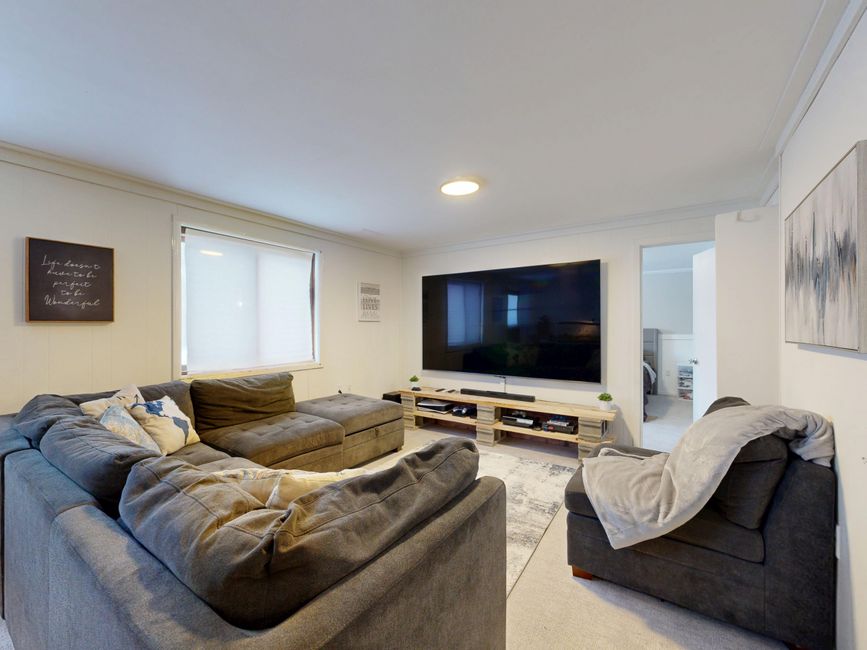
A home theater doesn't require a dedicated basement, a projector budget in the thousands, or acoustic foam covering every wall. Most of what makes a room feel like a real theater comes down to a handful of deliberate choices — lighting control, seating, and screen placement — that work whether you've got a converted spare room or just a corner of the living room.
 In this guideCurated by Sofia · 6 min read
Start with light control, not equipment
Before spending anything on a screen or sound system, solve the lighting. A dark room is what makes a theater feel like a theater — it's also the cheapest upgrade on this list. Blackout curtains or cellular shades are the single highest-impact purchase for a home theater space, since even a small amount of ambient daylight washes out contrast on a screen and breaks the immersive feel.
If full blackout isn't possible (a shared living room, for instance), look at dimmable lighting instead. Smart bulbs or a simple dimmer switch let you drop the room to near-darkness for movie time and bring it back to normal for everyday use, which matters most for a multi-purpose room that can't be a dedicated theater full-time.
Choosing the right screen setup
You don't need a projector to build a satisfying home theater — a large TV works perfectly well and is far more forgiving of ambient light than a projected image. That said, if the room can achieve good light control, a projector and a matte white or grey screen can deliver a genuinely bigger, more cinematic image for less money than an equivalently sized TV.
A few practical rules regardless of which you choose:
- Eye-level center. The vertical center of the screen should sit roughly at eye level for the primary seating position when seated, not mounted high on the wall out of habit.
- Distance matters more than size. A screen that's too large for the room forces uncomfortable neck movement and can make video compression more visible; a common guideline is a viewing distance of about 1.5 to 2.5 times the screen's diagonal size.
- Avoid windows behind or facing the screen where possible, since reflected or backlit glare is one of the most common home theater complaints.
Seating that actually gets used
Seating is where a lot of home theater budgets go wrong — either overspending on theater-style recliners that don't fit the room, or underspending on seating nobody wants to sit in for two hours. A deep, comfortable sectional or a pair of well-placed recliners usually serves a multi-purpose room better than dedicated theater seats, since it also works for everyday lounging.
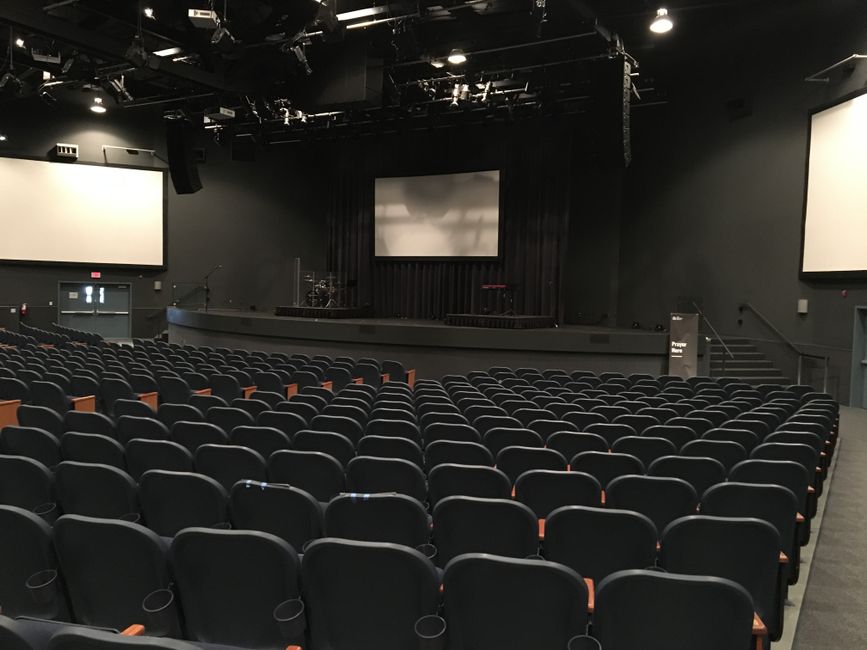
If the room is theater-only and space allows, tiered or staggered seating (even just placing a loveseat slightly behind and higher than a front row) improves sightlines for everyone, similar to stadium seating in a commercial theater — though this only matters in larger dedicated rooms, not smaller multi-purpose ones.
Sound: bigger upgrade than most people expect
A soundbar with a wireless subwoofer is the most practical entry point for most home theaters — it dramatically improves on built-in TV speakers without requiring a full surround receiver and multiple speaker runs. For those wanting a fuller setup, a 5.1 surround system (five speakers plus a subwoofer) is the traditional home theater standard, but placement matters as much as the equipment: rear speakers should sit slightly behind and above the main seating for the best effect.
Soft furnishings — a rug, curtains, upholstered seating — also do real acoustic work by absorbing sound reflections, which is part of why an empty, hard-surfaced room often sounds worse than a furnished one even with the same speakers.
Small-space home theater ideas
If you're working with a corner of a living room or a small spare bedroom rather than a dedicated space, a few adjustments help:
- Mount the TV or screen on the shortest wall to maximize usable seating distance in a narrow room.
- Use a media console with cable management to keep the space feeling like a real room, not just a screen with wires everywhere.
- Pick a compact soundbar rather than a full surround setup — floor space for extra speakers is often the first casualty in a small room.
- Add blackout curtains as a room divider if the theater area shares space with another function, which also helps with light control when it's showtime.
Common mistakes to avoid
- Skipping light control and blaming the screen. A washed-out, low-contrast picture is very often a lighting problem, not an equipment problem.
- Buying theater seating that doesn't fit daily life. If the room serves double duty, prioritize comfortable, versatile seating over dedicated recliners that only work for movie nights.
- Ignoring cable management. A theater room full of visible cords immediately breaks the polished feel — a simple cable raceway or a media console with a back panel solves most of this cheaply.
- Placing the screen too high. A screen mounted for aesthetics rather than eye-level comfort leads to neck strain during longer viewing sessions.
The takeaway
A great home theater room is less about expensive gear and more about a few deliberate decisions: control the light, get the screen at the right height and distance, choose seating people actually want to sit in, and don't neglect sound. Whether it's a full basement conversion or a corner of the living room with blackout curtains, the same principles scale up or down.
Frequently asked questions
Do I need a projector for a good home theater?
No — a large TV works well, especially in rooms without full light control, since it's more forgiving of ambient light than a projected image. A projector shines in dedicated, darkened rooms where a bigger image matters more.
How dark does a home theater room need to be?
As dark as practical for your space. Full blackout is ideal for projector setups, but even a TV-based setup benefits from dimmed lighting and reduced glare for better contrast and a more immersive feel.
What's the cheapest way to improve a home theater setup?
Blackout curtains or shades usually deliver the biggest visible improvement for the lowest cost, since lighting control affects picture quality more than most people expect.
Can I build a home theater in a small room?
Yes — focus on mounting the screen on the shortest wall, using a compact soundbar instead of a full speaker setup, and picking versatile seating that works for the room's other uses too.
Read next




Further reading & trusted sources
The detail most people miss
Ambient light control almost always turns out to be the actual fix when someone complains their new TV or projector ‘looks washed out,’ but nearly everyone spends money on the display itself first because a lighting problem looks, on the surface, exactly like a picture-quality problem. The other underestimated detail is soft furnishings doing real acoustic work — an empty room with hard floors and bare walls sounds noticeably worse with the same speakers than the identical room once a rug, curtains, and upholstered seating are added.
Sofia is happiest hunting down the high-end look for a fraction of the price; she’s convinced a beautiful room comes from restraint and clever styling far more than from budget. She shapes Dreamy Dwell’s room-by-room guides around ideas you can actually copy in a rental or on a tight budget — no staged ‘this is my mansion’ fantasy. AI tools help with the research and first drafts, and a human edits every piece before it goes live. We never fake reviews or pass off a styled photo as a real before-and-after.