 By Sofia Bennett, Home & Decor Editor
Reviewed & updated September 2026
A playroom has one job that's harder than it sounds: stay fun for kids and livable for the adults who have to walk through it every day. The good news is you don't need a Pinterest-perfect rainbow room to get there — a few smart layout and storage choices do more work than decor ever will.
 Quick navigationCurated by Sofia · 6 min read
Start with zones, not decorations
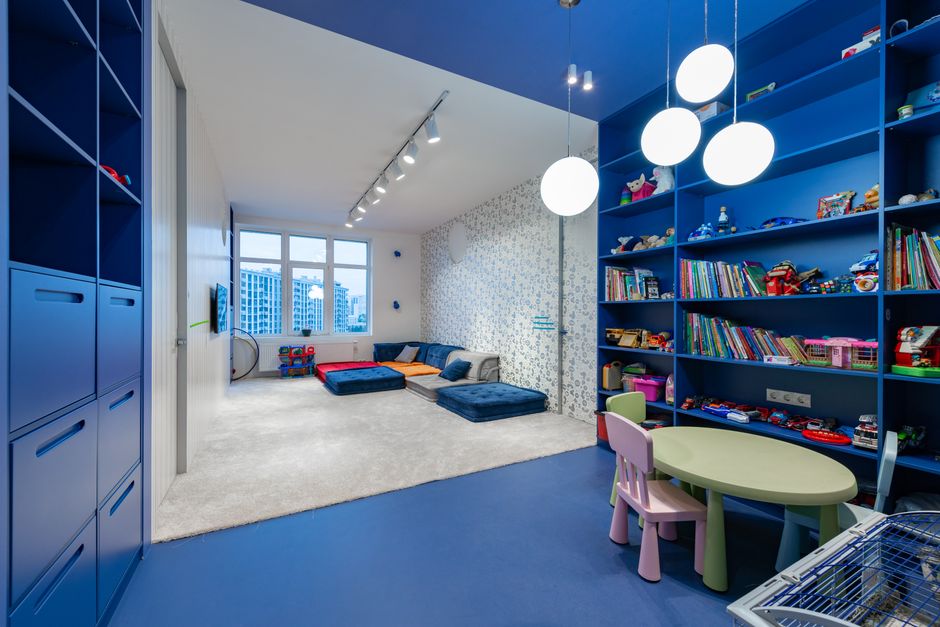
Before picking a single color or piece of furniture, divide the room mentally into 2-4 activity zones: a quiet corner for reading or puzzles, an open floor area for building and active play, a craft or art station, and a storage wall. This zoning approach does more to keep a playroom functional than any decor choice, because it gives every type of play a "home" and gives kids an intuitive sense of where things go back. Rooms without zones tend to become one undifferentiated pile of toys regardless of how much storage furniture is in it.
Storage that kids can actually use
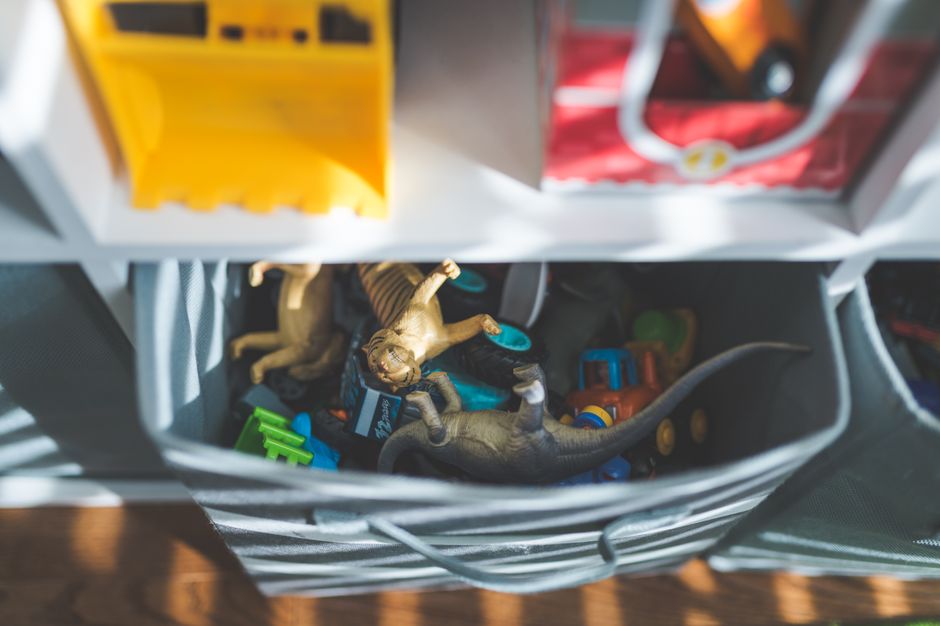
- Low, open bins over tall closed cabinets. Kids under about age 8 are far more likely to put toys away in an open bin at their eye level than to open a cabinet door and place items on a shelf — lowering the effort lowers the resistance.
- Label with pictures, not just words. For kids who aren't reading fluently yet, a simple picture or icon on each bin (a photo of blocks, a drawing of a car) makes "where does this go" self-explanatory.
- One bin per category, not one bin for everything. A single giant toy bin becomes a bottom-of-a-toy-box pile within a week. Splitting into 4-6 labeled categories keeps cleanup manageable and makes toys easier to find later.
- A rotating "extra toys" closet. Store a portion of the toy collection out of the room entirely and rotate it in every few weeks — this keeps the visible toy volume manageable and makes rotated-in toys feel new again.
Color and design choices that hold up
Bright, saturated colors on every wall tend to feel overstimulating over time and date quickly as a child's taste changes. A calmer approach — neutral or soft walls with color concentrated in furniture, rugs, and storage bins — gives you room to swap accents as interests shift from dinosaurs to unicorns to space without repainting. A patterned or darker-toned rug in the play zone is also a practical choice, since it hides the inevitable marker smudge or juice spill far better than a pale solid color.
Furniture that grows with your kid
Buying furniture scaled exactly to a toddler means replacing it within a couple of years. Look instead for pieces that adapt: a table and chairs at a slightly taller "growing" height, modular cube storage that can be rearranged as needs change, and a reading nook with floor cushions instead of a single fixed-size chair. This approach costs more upfront per item but usually saves money over the years a playroom actually gets used, since fewer pieces need full replacement.
Making it easier on the adults
- A designated "landing zone" at the doorway. A small shelf or basket right inside the door for shoes, bags, or whatever gets carried in and immediately abandoned keeps that clutter from spreading into the play zones.
- A visible clock or timer for cleanup. A simple kitchen timer set for "5 more minutes, then we clean up" gives kids a predictable transition cue that reduces resistance compared to an abrupt "time to clean up now."
- Durable, washable surfaces over precious ones. Save delicate rugs, light upholstery, and anything you'd be upset to see stained for other rooms — a playroom gets used the way it's meant to be used.
- A designated art supply station near a washable floor. Keeping markers, paint, and glue in one spot near tile or a washable mat (rather than scattered near the carpeted play zone) contains the mess where it's easiest to clean.
Small-space playroom ideas
If you're carving a playroom out of a corner of a living room or a converted closet rather than a dedicated room, vertical storage becomes essential — wall-mounted shelves and pegboards keep floor space open for actual play. A fold-down table or a storage ottoman that doubles as a bench can also let the same square footage serve double duty without looking like a dedicated playroom crammed the rest of the room.
The takeaway
A playroom that stays fun and functional long-term comes down to a few unglamorous decisions — zoning by activity, storage kids can actually reach and understand, and furniture that survives a few years of real use — much more than any specific color scheme or theme. Get those basics right and the decorating part becomes the easy 20%, not the hard 80%.
Frequently asked questions
What age is best for setting up a dedicated playroom?
There's no fixed age, but a dedicated playroom tends to pay off most once a child is mobile and accumulating enough toys that they've outgrown a single bedroom corner — often somewhere between 1 and 3 years old, though it varies by family and space.
How do I keep a playroom from always looking messy?
Zoned storage with labeled bins, a consistent cleanup routine (even a short daily one), and rotating out excess toys so there's simply less volume to manage all help more than any organizing product on its own.
Should a playroom have a TV or screen?
That's a personal parenting choice rather than a decorating one, but many playroom layouts intentionally minimize or hide screens to keep the room's focus on active and creative play rather than passive viewing.
What's the most budget-friendly way to decorate a playroom?
Repurposing furniture you already own (a bookshelf, an old dresser with drawers relabeled as bins), using paint and fabric for color instead of buying new themed furniture, and shopping secondhand for storage pieces all keep costs down without sacrificing function.
Read next

Further reading & trusted sources
Worth knowing before you start
Storage bin height, not bin count, is the detail that actually predicts whether a young child puts toys away independently — a bin even a few inches above eye level gets skipped in favor of dropping toys on the floor nearby, while the exact same bin at reach height gets used. Rotating a portion of the toy collection out of sight every few weeks does more to keep a playroom from feeling cluttered than any amount of additional storage furniture, since it directly reduces the visible volume rather than just organizing it.
Sofia is happiest hunting down the high-end look for a fraction of the price; she’s convinced a beautiful room comes from restraint and clever styling far more than from budget. She shapes Dreamy Dwell’s room-by-room guides around ideas you can actually copy in a rental or on a tight budget — no staged ‘this is my mansion’ fantasy. AI tools help with the research and first drafts, and a human edits every piece before it goes live. We never fake reviews or pass off a styled photo as a real before-and-after.