 By Sofia Bennett, Home & Decor Editor
Reviewed & updated September 2026
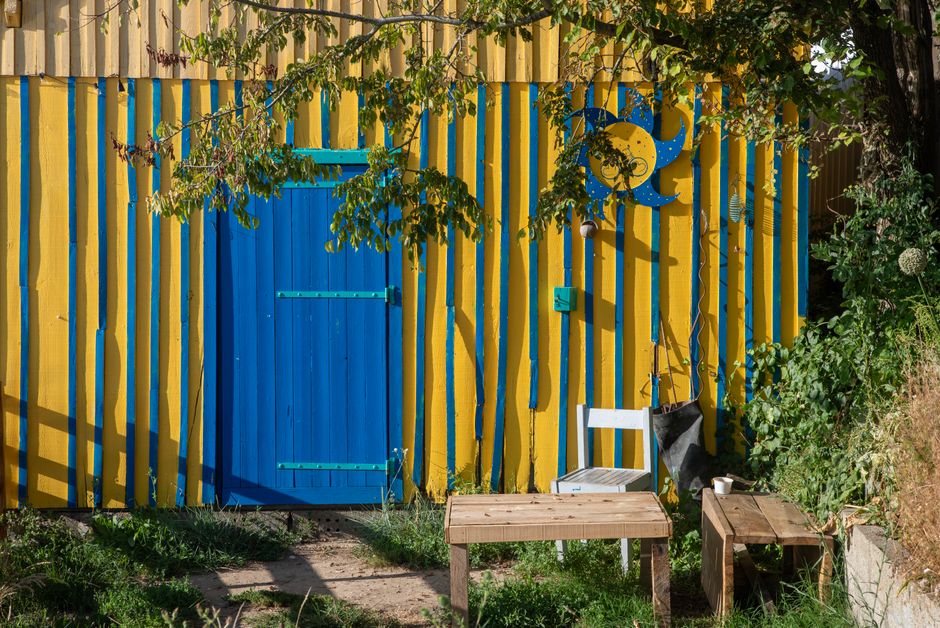
A she shed is a small backyard structure turned into a personal retreat — part studio, part reading nook, part quiet space away from the main house. The best ones don't try to be a miniature version of every room at once; they lean into one clear purpose and decorate around it.
 What you’ll find insideCurated by Sofia · 7 min read
- Start with the purpose, not the paint color
- Make the most of a small footprint
- Lighting sets the entire mood
- Choosing a color palette that feels intentional
- Personal touches that make it feel like yours
- Practical considerations most people forget
- Budget-friendly ways to decorate a she shed
- The takeaway
- Further reading & trusted sources
Start with the purpose, not the paint color
Before picking a single decor item, decide what the space is actually for. A she shed used mainly for reading and relaxing needs a completely different layout than one built for crafting, working, or hosting small get-togethers with friends. Trying to make one small structure do everything usually results in a cluttered space that doesn't do any of those things well.
Once the primary purpose is clear, the decorating decisions get much easier — furniture, storage, and lighting choices can all be filtered through "does this support what I actually use this space for."
Make the most of a small footprint
Most she sheds run somewhere between 80 and 200 square feet, so every piece of furniture and decor needs to earn its place.
- Choose furniture that's scaled down, not just smaller versions of full-size pieces but genuinely compact — a loveseat instead of a sofa, a bistro table instead of a full dining set.
- Build in vertical storage with wall-mounted shelving so floor space stays open for movement and seating.
- Pick one or two "anchor" pieces — a daybed, a favorite armchair, a craft table — and build the rest of the room around them rather than filling every corner with separate furniture.
- Use multi-purpose pieces, like a storage ottoman that doubles as extra seating, or a bench with a lift-top for stashing supplies out of sight.
Lighting sets the entire mood
Because most she sheds have limited natural light and no overhead fixture wired in from the start, lighting is one of the highest-impact decisions you'll make.
String lights along the ceiling edge or window frame add warmth without requiring an electrician, and they're inexpensive enough to change out seasonally. A small table lamp or two on a warm bulb (2700K or lower) makes the space feel cozy rather than utilitarian in the evening. If the shed does have power run to it, a dimmer switch is worth the small investment — being able to shift from bright working light to soft evening light in the same space adds a lot of flexibility for very little cost.

Choosing a color palette that feels intentional
Small spaces read as either cozy or cramped depending heavily on color choice. Soft, warm neutrals (cream, warm white, soft terracotta) tend to make a small shed feel calm and larger than it is, while deeper, saturated colors — a moody green, a warm charcoal, a rich navy — can make the space feel like a genuine escape rather than an afterthought, especially when paired with good lighting.
There's no universally "correct" choice here; a bright, airy palette suits a shed used for daytime crafting or working, while a darker, more enveloping palette often suits one meant purely for evening relaxation and reading. Pick based on how you'll actually use the light in the space, not just what looks good in photos.
Personal touches that make it feel like yours
The whole appeal of a she shed is that it's a space shaped entirely around one person's taste, without needing to compromise for the rest of the household. Lean into that.
- Display collections, art, or photos that wouldn't necessarily fit the rest of the home's decor style
- Add a small gallery wall of prints, postcards, or personal photography
- Use a textile — a quilt, a woven throw, a patterned rug — as the room's signature color statement
- Keep a small shelf for books, plants, or objects that are meaningful rather than purely decorative
- Add a scent element (a candle, diffuser, or dried florals) since a small enclosed space holds fragrance well
Practical considerations most people forget
A few functional details make a big difference in how much a she shed actually gets used once the initial decorating excitement fades.
- Insulation and ventilation matter more than decor in temperature-extreme climates — a beautifully decorated shed that's unbearable in summer or winter won't get used.
- A small rug does double duty, softening a hard floor and adding warmth, and it's one of the easiest elements to swap seasonally.
- Window treatments (even simple café curtains) add privacy and control glare without blocking the light that makes small spaces feel open.
- Weatherproof storage for anything kept just outside the door — shoes, garden tools, an umbrella — keeps the interior from becoming a catch-all.
Budget-friendly ways to decorate a she shed
You don't need a large budget to make a she shed feel finished. Secondhand and thrifted furniture works especially well here, since a small, characterful piece with a bit of wear often suits the cozy, personal feel of a she shed better than something brand new. Paint is the single highest-impact, lowest-cost change available — a full coat of color on the interior walls transforms the space more than almost any other purchase. Removable wallpaper is another strong budget option for adding pattern without a long-term commitment, since it's easy to change later if your taste shifts.
The takeaway
A she shed works best when it's built around a clear purpose rather than trying to be a little bit of everything — pick what the space is actually for, scale the furniture to fit, invest in warm layered lighting, and fill it with the personal touches that wouldn't necessarily fit anywhere else in the house. Done well, even a small structure can become the room you look forward to using most.
Frequently asked questions
How big should a she shed be?
There's no minimum size — some of the coziest she sheds are under 100 square feet. What matters more than square footage is choosing furniture and storage scaled appropriately to whatever size structure you're working with.
Do I need electricity in a she shed to decorate it well?
No. Battery-powered or plug-in string lights, lanterns, and portable lamps can create a warm, finished look even without a wired electrical connection, though having power run to the space does open up more lighting and heating options.
What's the cheapest way to decorate a she shed?
Paint and secondhand furniture are typically the two highest-impact, lowest-cost choices. A fresh coat of color on the walls combined with a few thoughtfully chosen thrifted pieces can transform the space for a fraction of buying everything new.
Can a she shed double as a guest space?
Yes, though it usually requires prioritizing a daybed or sofa bed as the anchor furniture piece from the start, along with basic climate control, since guest comfort depends heavily on insulation and temperature regulation in a small standalone structure.
Read next
Further reading & trusted sources
What we’d do first
Furnishing a she shed with full-size furniture bought for a regular room is the most common reason the space feels cramped rather than cozy, since even a few extra inches of depth on a sofa or table adds up fast in an 80-200 square foot structure — genuinely scaled-down pieces, not just ‘smaller-looking’ ones, make the bigger visual difference. Warm bulb temperature (2700K or below) matters more than the fixture itself for making a small enclosed space feel inviting at night, since a cool-white bulb in the exact same lamp reads as utilitarian storage rather than a retreat.
Sofia is happiest hunting down the high-end look for a fraction of the price; she’s convinced a beautiful room comes from restraint and clever styling far more than from budget. She shapes Dreamy Dwell’s room-by-room guides around ideas you can actually copy in a rental or on a tight budget — no staged ‘this is my mansion’ fantasy. AI tools help with the research and first drafts, and a human edits every piece before it goes live. We never fake reviews or pass off a styled photo as a real before-and-after.