 By Sofia Bennett, Home & Decor Editor
Reviewed & updated September 2026
Attics get written off as dead storage space more often than any other room in the house — the ceiling slopes, the headroom disappears at the edges, and it's easy to assume nothing but boxes will ever fit up there. But with the right approach to lighting, layout, and a few structural basics, an attic can become one of the most distinctive rooms in a home instead of the one nobody visits. Here's how to work with its quirks instead of against them.
 On this pageCurated by Sofia · 9 min read
- Work with the slope instead of fighting it
- Solve the lighting in layers, not just with a skylight
- Get the flooring and insulation basics right first
- Pick one specific use and commit to it
- Build storage into the eaves
- Choose colors and decor that push the ceiling up
- Budget-friendly styling tips
- The takeaway
- Further reading & trusted sources
Work with the slope instead of fighting it
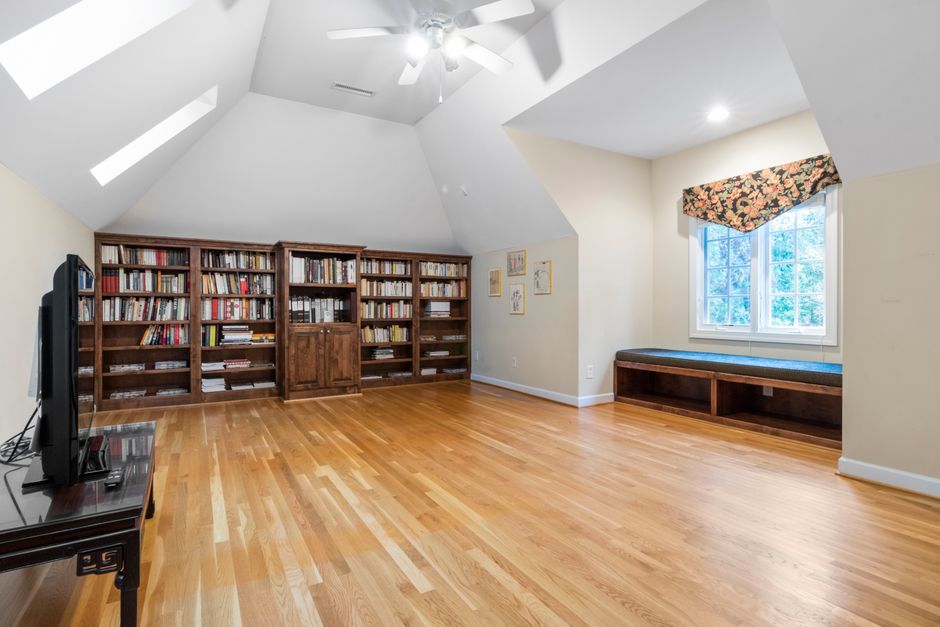
The sloped ceiling is the defining feature of almost every attic, and the instinct to "fix" it with tall furniture or busy ceiling treatments usually backfires. Instead, push furniture that needs full headroom — a bed, a desk, a reading chair — toward the center or the tallest part of the room, and let the low-slope edges do lower-commitment work: built-in shelving, a window seat, or floor cushions where you'd naturally be seated rather than standing.
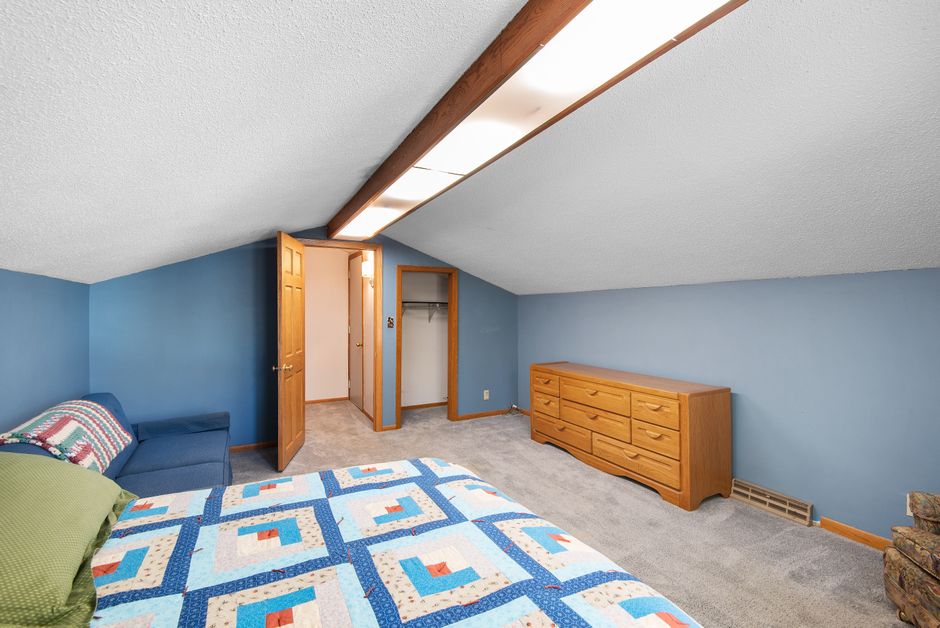
Painting the sloped ceiling sections the same color as the walls, rather than a contrasting white, softens the line where wall meets ceiling and makes the whole room read as one continuous shape instead of a box with an odd lid. This is one of the single highest-impact, lowest-cost changes available in an attic.
Solve the lighting in layers, not just with a skylight
Attics often rely on a single overhead fixture or, if you're lucky, one skylight — and neither is enough on its own. A skylight is genuinely one of the best upgrades an attic can get, since it brings in real daylight that changes how the whole room feels, but it works best paired with layered artificial light for evenings and darker days:
- Ambient light from recessed fixtures set into the flatter part of the ceiling, since the sloped sections often don't have the depth for standard recessed housings.
- Task lighting from floor lamps and plug-in sconces positioned at usable seating height, since low ceilings make hanging pendant or chandelier fixtures impractical in most of the room.
- Accent lighting from LED strips tucked under a knee-wall shelf or along a built-in, which adds warmth to the lowest, darkest corners without needing another fixture.
Stick to warm-white bulbs (2700-3000K) throughout. Attics already run cooler in tone due to limited natural light and exposed roofline structure, and cool-white bulbs exaggerate that unfinished, utility-space feeling rather than softening it.
Get the flooring and insulation basics right first
Before any decorating happens, an attic's comfort depends on two things most people skip past: insulation and flooring. Attics that sit directly under the roof swing more in temperature than any other room in the house, running hotter in summer and colder in winter, so proper insulation between the rafters (or under the roof deck) isn't optional if you want the space actually used year-round.
For flooring, plywood subfloor over existing joists is standard, but what goes on top matters for comfort underfoot: engineered hardwood or laminate handles temperature swings better than solid hardwood, which can expand and contract more than a stable-climate room would cause. Carpet or a large area rug adds warmth and sound absorption, which matters more in an attic than elsewhere since bare floors here tend to echo against the angled ceiling.
Pick one specific use and commit to it
The attics that end up actually used share one trait: they were decorated for a specific purpose, not as vague "extra space." A few of the strongest fits:
Reading nook or home library. The low, cozy ceiling that feels cramped for a living room works in an attic's favor here — built-in bench seating along a dormer window with a small shelf of books is one of the most naturally suited uses for the space.
Home office. If there's at least one section with 7+ feet of headroom, a desk placed there with good task lighting makes an attic one of the quietest, most separated work spaces in a house, since it's physically removed from the rest of the home's foot traffic.
Guest room. A lower-profile bed frame (or even a mattress on a low platform) fits comfortably under sloped ceilings where a tall bed frame wouldn't clear, and the sense of separation from the main floors gives guests real privacy.
Storage-with-style. If the attic genuinely isn't a livable room — no insulation, no permanent stairs, code issues — lean into organized storage instead of pretending otherwise. Matching labeled bins, a shelving system along the tallest wall, and a clear walking path read as intentional rather than neglected.
Build storage into the eaves
The triangular gaps under a sloped roofline are some of the most underused storage in a house, and building them out on purpose is almost always more effective than a freestanding dresser eating into the room's limited floor space. Low, shallow drawers or cabinet doors built into the knee-wall (the short vertical wall where the slope meets the floor) turn otherwise wasted crawl-space into real storage without stealing headroom from the usable part of the room.
For a lower-cost option, freestanding low bins or baskets tucked under the slope work almost as well as built-ins, especially in a rental or a space you're not ready to permanently modify. Either way, storage belongs at the edges where you can't stand anyway — never in the center where the room's limited headroom is most valuable.
Choose colors and decor that push the ceiling up
Because attic ceilings are already the lowest, most constrained part of the room, color and decor choices matter more here than almost anywhere else in the house. Light, warm wall colors — soft whites, pale warm grays, gentle creams — reflect more available light and keep the slanted ceiling from visually pressing down on the room. If you want more drama, a single deeper accent color works, but keep it to one wall or one clearly defined zone rather than the whole sloped ceiling.
Vertical elements help more than horizontal ones: tall, narrow bookshelves, floor-to-ceiling curtains on any windows, and artwork hung with its longest edge running vertically all draw the eye upward through the tallest part of the room instead of along the low edges. Mirrors placed to catch whatever natural light exists — from a skylight or a gable window — bounce it further into the room and help offset an attic's tendency to feel dim.
Budget-friendly styling tips
A full attic renovation with insulation, drywall, and permanent stairs is a real investment, but styling an already-usable attic space doesn't have to be. A few of the highest-return, lowest-cost moves:
- Swap a single bare bulb for a warm-toned floor lamp — instant mood change for under $50.
- Paint the sloped ceiling to match the walls rather than leaving it a contrasting white.
- Add a large, affordable area rug to cut down on echo and cold-underfoot feeling.
- Use tension rods or tension-mounted curtain rods along a dormer instead of drilling into angled drywall, which can be trickier to anchor into.
- Repurpose low bookshelves or dressers you already own for the knee-wall storage zones instead of buying built-ins right away.
The takeaway
An attic's limitations are specific and solvable: sloped ceilings respond to ceiling-matching paint and centrally placed furniture, poor lighting responds to layered warm fixtures, temperature swings respond to proper insulation, and the awkward eave space responds to built-in or freestanding low storage. Pick one clear purpose for the room, address the basics first, and an attic stops being the space you avoid and becomes one of the more distinctive rooms in the house.
Frequently asked questions
Do I need a skylight to make an attic feel livable?
No — a skylight helps significantly with natural light, but layered warm artificial lighting (ambient, task, and accent) can make an attic feel comfortable and usable even without one.
What's the best flooring for an attic?
Engineered hardwood or laminate generally handles an attic's wider temperature swings better than solid hardwood, and a large area rug on top adds warmth and cuts down on the echo that bare floors tend to have under an angled ceiling.
Can I turn an attic into a bedroom?
In many cases yes, as long as there's adequate headroom, proper insulation, and a permanent staircase — check local building codes, since some areas have specific requirements for a space to count as a legal bedroom.
How do I stop an attic from feeling too hot or cold?
Proper insulation between the rafters or under the roof deck is the main fix, since an attic sits directly under the roof and experiences more temperature swing than any other room. Ventilation also matters — a stuffy attic in summer usually points to inadequate airflow, not just insulation.
Read next



Further reading & trusted sources
The detail most people miss
Skipping insulation and going straight to paint and furniture is the most common attic mistake, since a room that swings 20+ degrees between summer and winter never actually gets used regardless of how it’s decorated — insulation is the unglamorous fix that determines whether the styling afterward was worth doing at all. Recessed lighting that looks fine on paper often can’t physically fit into the shallow rafter depth along a sloped ceiling, which is why most usable attic lighting plans end up centered on the flatter middle section instead of spread evenly like a standard room.
Sofia is happiest hunting down the high-end look for a fraction of the price; she’s convinced a beautiful room comes from restraint and clever styling far more than from budget. She shapes Dreamy Dwell’s room-by-room guides around ideas you can actually copy in a rental or on a tight budget — no staged ‘this is my mansion’ fantasy. AI tools help with the research and first drafts, and a human edits every piece before it goes live. We never fake reviews or pass off a styled photo as a real before-and-after.