 By Sofia Bennett, Home & Decor Editor
Reviewed & updated September 2026
A window seat is one of those features that makes a room feel considered rather than just furnished. It turns an awkward stretch of wall into a spot people actually want to sit, and it works whether you have a built-in bay window or just a blank wall and a stretch of natural light. The good news is you don't need a contractor to get most of the effect.
 What you’ll find insideCurated by Sofia · 7 min read
Why a window seat works so well
A window seat does three things at once. It gives you seating without the visual bulk of a chair or sofa, it creates a defined "destination" in a room that otherwise flows past the window, and it puts a person next to natural light, which is where almost everyone instinctively wants to be. That combination is why window seats show up in cozy homes across wildly different styles — they solve a layout problem and add warmth in the same move.
They also tend to become the most-used seat in a room out of proportion to their size. A three-foot bench under a window will get more daily use than a matching armchair six feet away, simply because of the light and the sense of being tucked into something.
Built-in versus freestanding
You have two broad paths, and the right one depends on whether you own or rent and how much you want to invest.
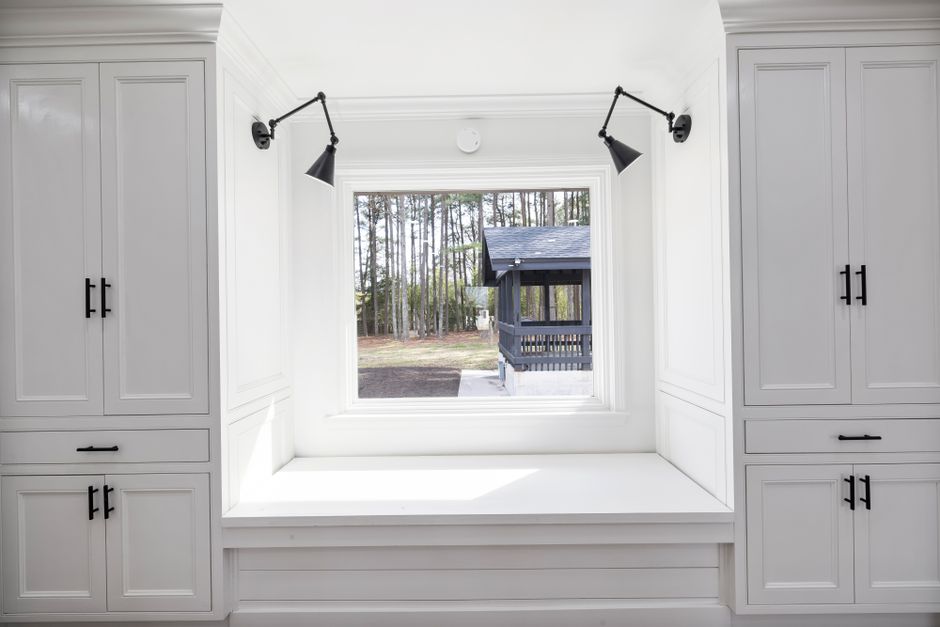
- Built-in: A true built-in bench, often with storage underneath, framed by cabinetry or bookshelves on either side. This is the highest-impact version and adds resale value, but it's a carpentry project.
- Cabinet-hack built-in: Stock kitchen base cabinets or cube shelving units stood on end, topped with a wood board and a cushion. This reads as built-in from a few feet away, gives you real storage, and can be unscrewed and taken with you.
- Freestanding bench: A storage bench, an entryway bench, or even a low bookshelf pushed against the wall under the window, dressed with a cushion and pillows. Zero construction, fully renter-friendly, and movable.
For most people renting or testing the idea, the cabinet-hack or a good freestanding bench gets you 90% of the look for a fraction of the effort.
Building the cushion and pillow layer
The cushion is what turns a bench into a seat you sink into. A few guidelines:
- Depth: Aim for a seat surface 16-20 inches deep. Less than 16 and it feels perch-like; more than 24 and you can't lean back against the window comfortably.
- Cushion thickness: A 3-4 inch high-density foam cushion is the sweet spot. Thinner feels hard against a wood base; much thicker makes getting in and out awkward and raises you above a comfortable window-leaning height.
- Cover fabric: Choose something you can either wash or spot-clean, since window seats collect sun, snacks, and pets. Performance linen, cotton canvas, and washable slipcover fabrics all hold up well.
- Pillows: Layer against the side walls of the nook, not just the back, so you can turn sideways and lean. Two large pillows plus one or two smaller ones is usually enough for a standard bench width.
- A throw blanket: One folded or draped blanket does a disproportionate amount of the "cozy" work and invites people to actually curl up.
Lighting the nook for evenings
A window seat is obvious in daylight and forgotten after dark unless you light it. Add a wall-mounted swing-arm sconce or a plug-in picture light above one side so it works as a reading spot at night. A small table lamp on an adjacent surface, or a slim floor lamp arcing over from behind, does the same job without drilling. Warm bulbs in the 2700K range keep the nook feeling like a retreat rather than a task station.
Making it a real destination
The seat itself is only half of it. What makes a window nook a place people gravitate to is what's within arm's reach:
- A surface for a mug: A small side table, a wall-mounted ledge, or a wide windowsill.
- Something to read or do: A slim bookshelf beside the bench, a magazine basket underneath, or a spot for a sketchpad.
- A view worth having: If the window looks at a wall or a neighbor, a sheer café curtain or a row of plants on the sill softens it without killing the light.
- Storage below: Baskets or bins under a freestanding bench, or a hinged lid on a built-in, keep blankets and books close and the floor clear.
Window seat ideas by room
- Living room: Flank the bench with bookshelves to create a built-in library corner. This is the classic version and it anchors the whole room.
- Bedroom: A window bench at the foot of the bed or along a side wall gives you a place to sit while dressing and a spot for a morning coffee.
- Kitchen or dining area: A window bench on one side of a small table doubles as dining seating and frees up floor space compared to chairs on all sides.
- Home office: A window seat opposite the desk gives you a screen-free spot to read or take a call, which makes a small office feel less one-note.
- Kids' room or playroom: A low storage-bench window seat puts toys underneath and gives kids a reading perch scaled to them.
The takeaway
A window seat earns its keep by turning light and a bit of wall into the coziest spot in the room. You don't need a bay window or a carpenter — a run of stock cabinets or a solid storage bench, a properly sized cushion, pillows against the side walls, a throw, and a light for evenings will get you there. Add a mug-sized surface and something to read within reach, and it stops being a design feature and becomes the seat everyone fights over.
Frequently asked questions
How deep should a window seat be?
The seating surface works best at 16-20 inches deep. That's enough to sit fully back and tuck your legs up, without making it hard to lean against the window or get in and out.
Can I make a window seat without building anything?
Yes. Stand stock cube shelves or kitchen base cabinets on end and top them with a board and cushion for a built-in look, or simply push a storage bench or low bookshelf against the wall under the window and dress it with a cushion and pillows.
What kind of cushion is best for a window seat?
A 3-4 inch high-density foam cushion in a washable or spot-cleanable cover. Sunlight and daily use are hard on fabric, so performance linen, cotton canvas, or a removable slipcover will last much longer than a delicate material.
How do I keep a window seat from feeling cold or drafty?
Choose a slightly thicker cushion so you're not sitting directly on a cool surface, keep a throw blanket on the seat, and if the window is genuinely drafty, a cellular (honeycomb) shade behind the seat cuts the chill noticeably without blocking daytime light.
Read next



Further reading & trusted sources
Where most people go wrong
Cushion depth, not length, is what decides whether a window seat actually gets used the way people picture — under about 16 inches deep it becomes a perch you sit on the edge of, and past roughly 24 you can’t lean back against the glass without sliding, so the comfortable curl-up zone is a narrow band in between. The other quiet failure is lighting: a window nook is obvious in daylight and completely forgotten after dark unless there’s a sconce or lamp within reach, which is why so many DIY window seats look great in photos and go unused every evening.
Sofia is happiest hunting down the high-end look for a fraction of the price; she’s convinced a beautiful room comes from restraint and clever styling far more than from budget. She shapes Dreamy Dwell’s room-by-room guides around ideas you can actually copy in a rental or on a tight budget — no staged ‘this is my mansion’ fantasy. AI tools help with the research and first drafts, and a human edits every piece before it goes live. We never fake reviews or pass off a styled photo as a real before-and-after.