 By Sofia Bennett, Home & Decor Editor
Reviewed & updated September 2026
Layering rugs is one of those designer tricks that instantly makes a room feel more collected and intentional — but done wrong, it just looks like you couldn't decide which rug to buy. Here's how to layer rugs so the result reads as curated, not cluttered.
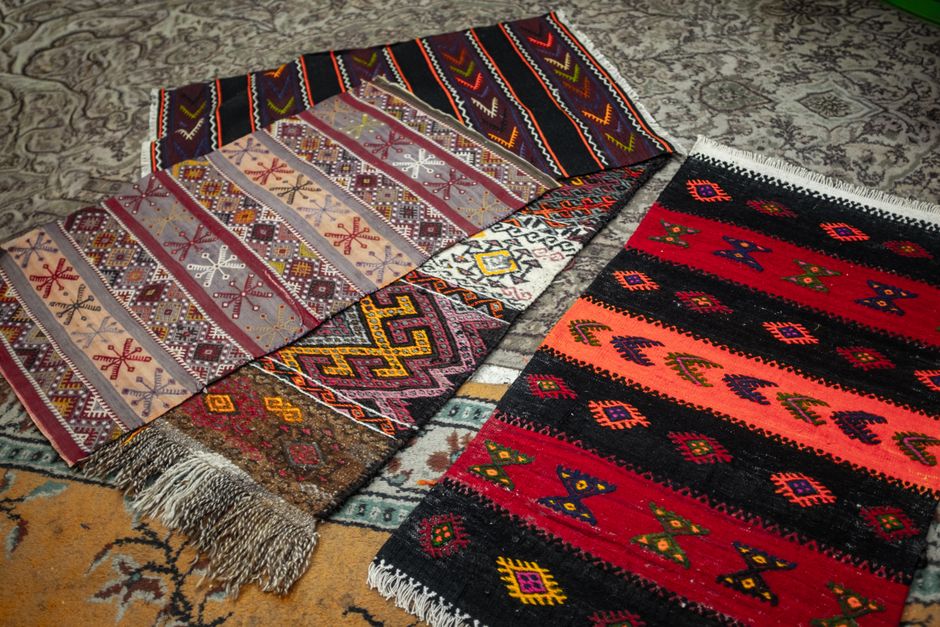 Quick navigationCurated by Sofia · 5 min read
Why layer rugs in the first place
A single rug can feel flat, especially in a large room, on top of wall-to-wall carpet, or over a floor that doesn't quite match your color scheme. Layering adds texture, defines a seating area more clearly, and lets you introduce pattern or color without committing an entire room to it. It's also a practical fix — a durable, low-cost base rug protects a more delicate or expensive statement rug from wear.
The base rug: bigger, simpler, neutral
The bottom layer should almost always be the larger, plainer rug of the two. Natural fiber options like jute, sisal, or a flatweave work well because their texture and neutral tone recede rather than compete for attention. Size it so it extends a few inches beyond the furniture layout — under the front legs of a sofa and chairs is the standard rule of thumb.
The top rug: smaller, patterned, or textured
The top layer is where you bring in color, pattern, or a plush texture. Vintage-style, Persian-inspired, or graphic patterned rugs work particularly well here because the neutral base underneath keeps them from overwhelming the room. Size the top rug so it sits comfortably within the base — usually leaving 12-18 inches of the base rug visible on all sides.
Getting the proportions right
- Base rug should be roughly 1.5-2x the area of the top rug
- Center the top rug within the seating area, not necessarily dead-center of the base
- Keep at least a foot of the base rug showing around the edges so the layering reads as deliberate
Color and pattern pairing that works
- Pair one patterned rug with one solid rug — two bold patterns stacked usually fights for attention
- Repeat one color between the two rugs so they feel connected rather than randomly stacked
- If both rugs have pattern, keep the scales different (a large-scale pattern on the bottom, a smaller or more subtle one on top)
Keeping layered rugs in place
Layered rugs shift more than a single rug, especially on hardwood or tile. A rug pad under the base layer keeps everything from sliding, and rug tape or grippers between the two layers stops the top rug from bunching up with foot traffic. Vacuum both layers regularly, since dust and debris collect in the seam between them faster than on a single rug.
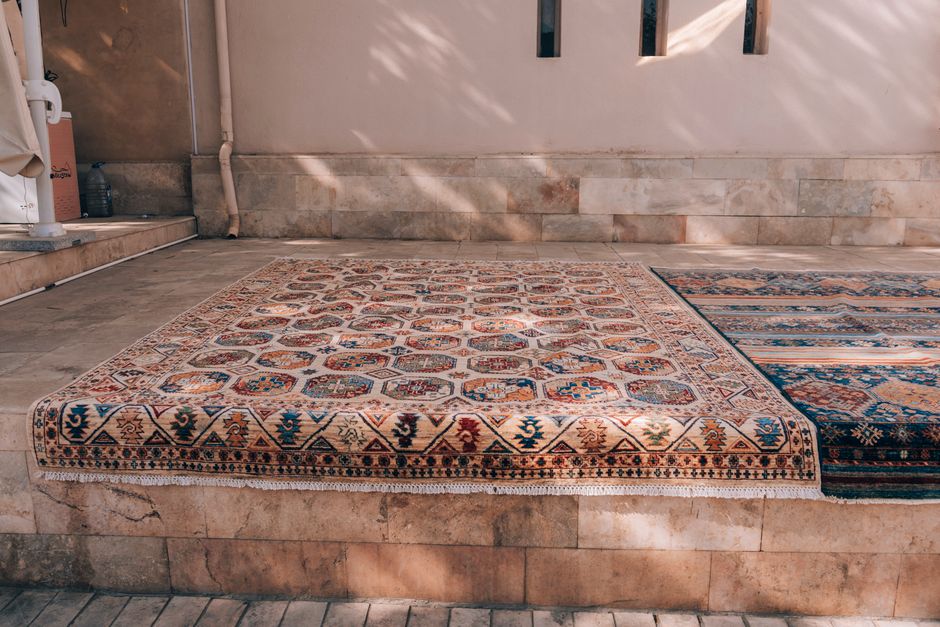
Rooms where layering works best
Living rooms and bedrooms are the easiest starting points, since furniture naturally anchors the layered look. Entryways can also work well with a smaller layered moment right inside the door. Layering tends to look busy in small, high-traffic rooms like kitchens or hallways, where a single durable rug usually serves better.
The takeaway
Layered rugs work when there's a clear hierarchy — a large, simple, neutral base and a smaller, more expressive top rug — with enough of the base showing to make the pairing look intentional rather than accidental. Get the proportions and color connection right, secure both layers with a pad and grippers, and it becomes one of the easiest ways to add texture and personality to a room without a full redesign.
Frequently asked questions
Do I need a rug pad under both layers?
A rug pad under the bottom layer is enough in most cases — it protects the floor and keeps the whole stack from sliding. Rug tape between the two rugs handles the top layer.
Can I layer two patterned rugs together?
Yes, but keep the pattern scales different (one large, one small) and repeat at least one shared color, or the combination can look chaotic rather than curated.
What's the best base rug material for layering?
Natural fibers like jute or sisal are popular because their neutral, textured look pairs well with almost any top rug, and they're generally more affordable and durable as a base layer.
Is rug layering just a trend, or is it practical?
Both — it's on-trend right now, but the practical benefits (protecting a nicer rug, adding texture, defining a space) mean it works as a long-term choice too, not just a passing look.
Read next

Further reading & trusted sources
What we’d do first
The detail that most often gives away a layered-rug setup as an afterthought rather than a design choice is leaving too little of the base rug showing — under about 8 inches on each side, the eye reads it as a rug that’s simply the wrong size rather than an intentional pairing. Rug tape between the two layers matters more in high-traffic rooms than a pad under the bottom one, since it’s the top rug sliding and bunching against the base, not the base slipping on the floor, that causes most layered setups to look messy within a few weeks.
Sofia is happiest hunting down the high-end look for a fraction of the price; she’s convinced a beautiful room comes from restraint and clever styling far more than from budget. She shapes Dreamy Dwell’s room-by-room guides around ideas you can actually copy in a rental or on a tight budget — no staged ‘this is my mansion’ fantasy. AI tools help with the research and first drafts, and a human edits every piece before it goes live. We never fake reviews or pass off a styled photo as a real before-and-after.