 By Sofia Bennett, Home & Decor Editor
Reviewed & updated September 2026
Not every home comes with big south-facing windows, and that shouldn't rule out having plants. A surprising number of houseplants actually thrive in low, indirect light — you just need to know which ones, and how to avoid the handful of mistakes that kill more low-light plants than the light level ever does.
 Jump to a sectionCurated by Sofia · 6 min read
What "Low Light" Actually Means Indoors
"Low light" doesn't mean no light. It means a spot with no direct sun hitting the leaves but enough ambient daylight to read a book comfortably without a lamp — think a few feet back from a north-facing window, or a well-lit interior room. True darkness (a windowless closet, a dim hallway with no natural light at all) is too low for any living plant, however hardy the label claims.
The Best Low-Light Indoor Plants
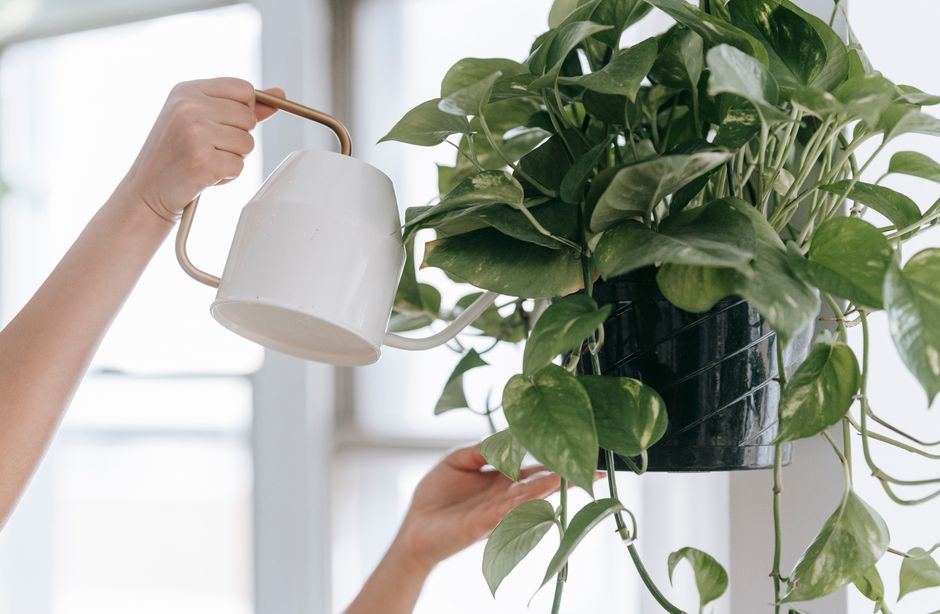
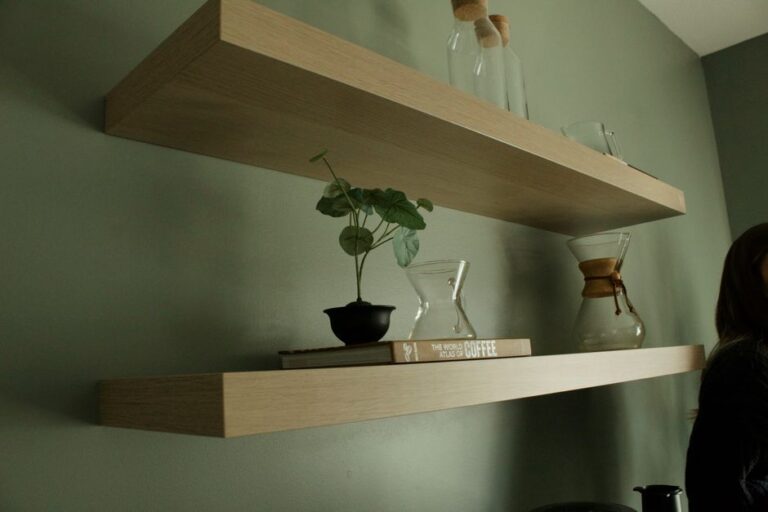
Pothos. The most forgiving houseplant sold, full stop. It tolerates low light, irregular watering, and neglect better than almost anything else, and its trailing vines make it a natural fit for shelves or hanging planters.
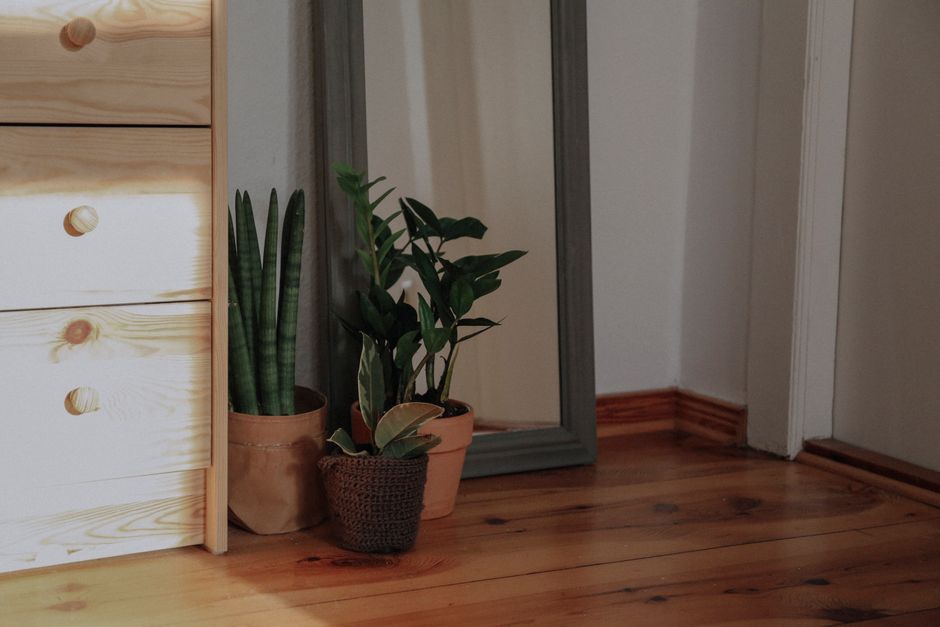
Snake plant. Extremely low water needs and genuinely comfortable in low light, though it will grow slower there than in bright light. Its upright, sculptural leaves also make it a strong choice for tight corners.
ZZ plant. Glossy, dark green leaves that hold up in low light for months at a time. It stores water in its rhizomes, so it's remarkably forgiving of missed waterings — arguably even more drought-tolerant than a snake plant.
Peace lily. One of the few low-light plants that flowers indoors, and it gives a clear wilting signal when it needs water, which makes it easier to read than most houseplants.
Cast iron plant. True to its name — built to survive low light, temperature swings, and inconsistent care, which is exactly why Victorian parlors (with none of the light control modern homes have) relied on it.
Chinese evergreen. Comes in patterned varieties (silver, red-tinged) that still hold their color in lower light better than most variegated plants, which often fade to plain green without enough sun.
How to Actually Keep Them Alive
Water less than you think. Low light slows a plant's metabolism, which means it uses water more slowly too. The single most common way people kill low-light plants is overwatering on the same schedule they'd use for a bright, fast-growing plant. Check soil moisture with a finger before watering rather than sticking to a fixed calendar.
Wipe the leaves occasionally. Dust blocks what little light is reaching the leaves. A damp cloth every few weeks keeps a low-light plant able to use the light it does get.
Rotate the pot. Even indirect light usually comes from one direction. A quarter-turn every couple of weeks keeps growth even instead of one-sided and leaning.
Skip the fertilizer in winter. Low light already limits growth, and fertilizing a plant that isn't actively growing just risks burning the roots without any benefit.
Where to Place Them in a Low-Light Room
Corners a few feet from a north-facing window, hallways with some borrowed light from adjacent rooms, and bathrooms with a small window are all realistic low-light spots. Avoid interior rooms with zero windows — even the hardiest plant on this list needs some daylight, just not direct sun.
Signs a "Low-Light" Plant Actually Needs More Light
Even tolerant plants have a floor. Watch for leggy, stretched-out growth reaching toward the nearest light source, smaller new leaves than the older ones, or variegated leaves fading to solid green — all signs the plant is surviving rather than thriving and could use a slightly brighter spot.
Common Mistakes With Low-Light Plants
Assuming "low light" means "no maintenance." These plants tolerate low light; they still need appropriate watering, occasional dusting, and the right pot with drainage.
Overcompensating with grow lights unnecessarily. A cheap grow light can help a genuinely dark room, but for most low-light (not no-light) spots, it's an unnecessary expense — the plants on this list are chosen specifically because they don't need it.
Choosing the wrong pot size. A pot too large for the root ball holds excess moisture the slower-growing plant can't use fast enough, which is a fast route to root rot in low-light conditions.
The Takeaway
A dim corner or a north-facing room doesn't have to stay plant-free. Pothos, snake plant, ZZ plant, peace lily, cast iron plant, and Chinese evergreen are all genuinely built to handle low, indirect light — the key is adjusting your watering habits to match the slower growth rather than treating them like a sunny-windowsill plant. Get the water right, and low light stops being a real obstacle.
Frequently Asked Questions
Can any plant survive with zero natural light?
No. Every plant on this list needs some ambient daylight, just not direct sun. A room with no windows at all needs a grow light to sustain any living plant long-term.
How often should I water a low-light houseplant?
Less often than a bright-light plant of the same type — check the top inch or two of soil and water only when it's dry, rather than following a fixed weekly schedule.
Will low-light plants ever grow as fast as ones in bright light?
No, and that's expected. Slower growth in low light is normal, not a sign something is wrong, as long as the leaves stay healthy and new growth still appears occasionally.
Are low-light plants safe around pets?
It varies by plant — peace lilies and pothos are toxic to cats and dogs if chewed, while others vary too. Check each specific plant's pet safety before placing it somewhere a curious pet can reach.
Read next
Where most people go wrong
Overwatering, not low light, is what actually kills most low-light houseplants — slower growth means the soil stays wet longer, so the same watering schedule used for a bright, fast-growing plant drowns the roots long before light becomes the limiting factor. Checking soil moisture by hand before watering beats any fixed weekly schedule for this exact reason.
Further reading & trusted sources
Sofia is happiest hunting down the high-end look for a fraction of the price; she’s convinced a beautiful room comes from restraint and clever styling far more than from budget. She shapes Dreamy Dwell’s room-by-room guides around ideas you can actually copy in a rental or on a tight budget — no staged ‘this is my mansion’ fantasy. AI tools help with the research and first drafts, and a human edits every piece before it goes live. We never fake reviews or pass off a styled photo as a real before-and-after.