 By Sofia Bennett, Home & Decor Editor
Reviewed & updated September 2026
Harsh overhead light is the fastest way to make a cozy room feel like an office. A well-placed floor lamp fixes that in seconds — soft, low, layered light that pulls a corner together. Here are the styles that warm up a living room, whatever your budget.
Here's a complete guide to picking floor lamps that make your living room warm, functional, and beautiful. As an Amazon Associate we may earn from qualifying purchases at no extra cost to you, and we focus on types and features rather than specific prices.
 On this pageCurated by Sofia · 7 min read
Why a floor lamp matters so much
The most common lighting mistake is relying on a single overhead light, which flattens a room and feels harsh. Designers use "layered lighting" — multiple light sources at different heights — and a floor lamp is the easiest way to add a tall layer. It fills the vertical space a table lamp can't reach, casts a warm pool of light, and instantly makes a room feel cozier and more dimensional in the evening.
The main types of floor lamps
Choosing the right type for your need is the most important decision.
Arc / arching lamps
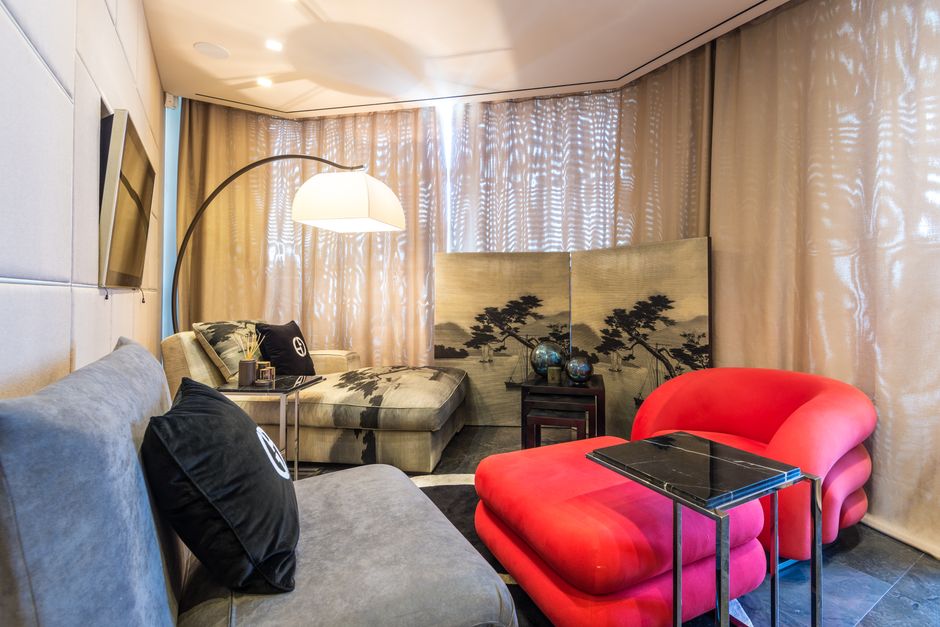
A long curved arm extends the light out over a sofa or seating area — perfect when you can't place a table beside the seat. Great for reading and for creating a focal point. Needs floor space for the base and arc.
Reading / task lamps
A directional head (often adjustable) sends focused light where you need it — beside an armchair or reading nook. Look for an adjustable or pivoting head and a position close to seated eye level.
Tree / multi-head lamps
Several adjustable heads on one pole let you light multiple directions or activities from a single base — versatile for corners and multi-use spaces.
Torchiere / uplight lamps
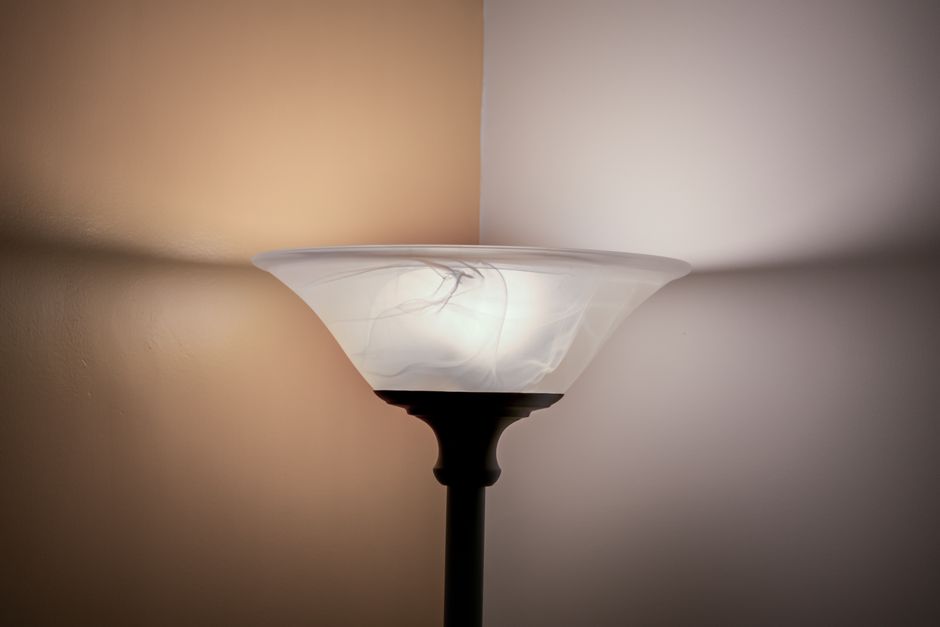
Light points upward and bounces off the ceiling for soft, ambient, glare-free illumination that fills a whole room gently. Ideal for overall coziness rather than task lighting.
Statement / sculptural lamps
Lamps with a distinctive shape, material, or oversized shade double as decor. Choose these where the lamp itself should be a focal point.
How to choose the right floor lamp
Match it to the job
- For reading: a task or arc lamp with directional, adjustable light near the seat.
- For ambient coziness: a torchiere uplight or a lamp with a fabric shade that diffuses warm light.
- For a dark corner: a tree lamp or a tall lamp to fill the vertical space.
- For a focal point: a sculptural statement piece.
Get the height and scale right
Most floor lamps stand around 58–64 inches. For reading, the bottom of the shade should sit roughly at eye level when seated, so light falls on the page, not in your eyes. Scale the lamp to the furniture — a slim lamp beside a delicate chair, a more substantial one next to a large sofa.
Choose a warm, dimmable bulb
This matters as much as the lamp itself. Use a warm 2700K bulb for that cozy glow, and choose a lamp with a dimmer (or use a smart/dimmable bulb) so you can soften the light in the evening. Avoid cool, bluish bulbs in a living room.
Mind the shade and material
- Fabric/linen shades diffuse light softly and warmly — best for cozy.
- Metal or directional shades focus light for tasks.
- Match finishes to your room's other metals and tones (warm brass, matte black, natural wood) for cohesion.
Check practical features
- A switch you can reach easily (foot switch, or on the pole) is more convenient than one at the base.
- Stability: a heavier base matters in homes with kids or pets.
- Bulb type and wattage the lamp accepts, and whether it's dimmable.
Where to place floor lamps
- Beside or behind a sofa for reading and ambient light.
- In a dark corner to fill empty vertical space and eliminate gloom.
- Next to an accent chair to create a cozy reading nook.
- Behind a plant to cast pretty shadows and add depth.
- Flanking a media unit or fireplace in pairs for symmetry.
A good rule: aim for at least two or three light sources in a living room at different heights. A floor lamp plus a table lamp plus a candle or accent light beats one overhead fixture every time.
The takeaway
The best floor lamp for your living room is the one matched to what you actually need: an arc or task lamp for reading, a torchiere uplight for soft ambient coziness, a tree lamp for a dark corner, or a sculptural piece as a focal point. Get the height and scale right, always use a warm dimmable bulb, choose a shade that diffuses light softly, and place it to add a tall layer of warm light. Do that, and a single floor lamp can take your living room from harshly lit to genuinely cozy.
Frequently asked questions
What type of floor lamp is best for a living room?
It depends on the job: an arc or task lamp for reading over a sofa or chair, a torchiere uplight for soft ambient coziness, a tree lamp for filling a dark corner, or a sculptural statement lamp as a focal point. Many living rooms benefit from combining a couple of types for layered light.
How tall should a floor lamp be?
Most floor lamps stand about 58 to 64 inches. For reading, position it so the bottom of the shade sits roughly at eye level when you're seated, so light falls on your book rather than in your eyes. Scale the lamp's visual weight to the furniture beside it.
What bulb should I use in a floor lamp for a cozy room?
Use a warm 2700K ("warm white") bulb for a cozy glow, and choose a lamp or bulb that's dimmable so you can soften the light in the evening. Avoid cool, bluish bulbs in a living room — they feel clinical rather than warm.
Where should I put a floor lamp?
Beside or behind a sofa, next to an accent chair to create a reading nook, in a dark corner to fill vertical space, or behind a plant for pretty shadows. Aim for at least two or three light sources at different heights in the room rather than relying on one overhead light.
Are floor lamps good for reading?
Yes — an arc or task floor lamp with a directional, adjustable head is excellent for reading, especially when there's no room for a table lamp beside the seat. Position the shade near seated eye level and use a warm, bright enough bulb so light falls clearly on the page.
Read next

Related articles
- The Best Warm Neutral Paint Colors for a Cozy Home
- 2026 Home Decor Trends to Know (and How to Try Them)
- Small-Space Storage Ideas That Actually Work
- How to Style a Coffee Table (Step by Step)
- Small Bedroom Ideas That Maximize Space
- 12 Affordable Area Rugs That Look Expensive
Further reading & trusted sources
Worth knowing before you start
A cozy room lives or dies on bulb colour, not the lamp. Swap whatever it ships with for a 2700K warm-white bulb; the exact same lamp goes from ‘office’ to ‘evening glow’ for the price of a coffee.
Sofia is happiest hunting down the high-end look for a fraction of the price; she’s convinced a beautiful room comes from restraint and clever styling far more than from budget. She shapes Dreamy Dwell’s room-by-room guides around ideas you can actually copy in a rental or on a tight budget — no staged ‘this is my mansion’ fantasy. AI tools help with the research and first drafts, and a human edits every piece before it goes live. We never fake reviews or pass off a styled photo as a real before-and-after.