 By Sofia Bennett, Home & Decor Editor
Reviewed & updated September 2026
You don't need a dedicated room lined floor-to-ceiling with mahogany shelves to build a home library that feels intentional. A home library is really just a corner where books are the main character — and that corner can live in a living room, a hallway, or a bedroom nook just as easily as a spare room.
 Jump to a sectionCurated by Sofia · 6 min read
Start with where your books already live
Before buying anything, look at where your books are currently scattered. Odds are there's already a natural gathering point — a shelf that's overflowing, a stack on a nightstand, a box that never got unpacked. That location is telling you where the "gravity" of your reading life already is, and building around it is easier than starting from a blank wall.
If your books are spread across three rooms, pick the spot with the best light and the most wall space, and consolidate there. A library only feels like a library when the books are together, not sprinkled one shelf at a time through the house.
Choose a shelving approach that fits your space
Full wall of built-ins or modular shelving works if you have an uninterrupted wall and want a serious, immersive feel. Modular units (think stackable cube shelving) let you scale up over time without committing to a full built-in install.
A single tall bookcase is the realistic option for most homes. One good statement bookcase — floor to near-ceiling — reads as "library" far more than several short, scattered shelves ever will. Height matters more than width here.
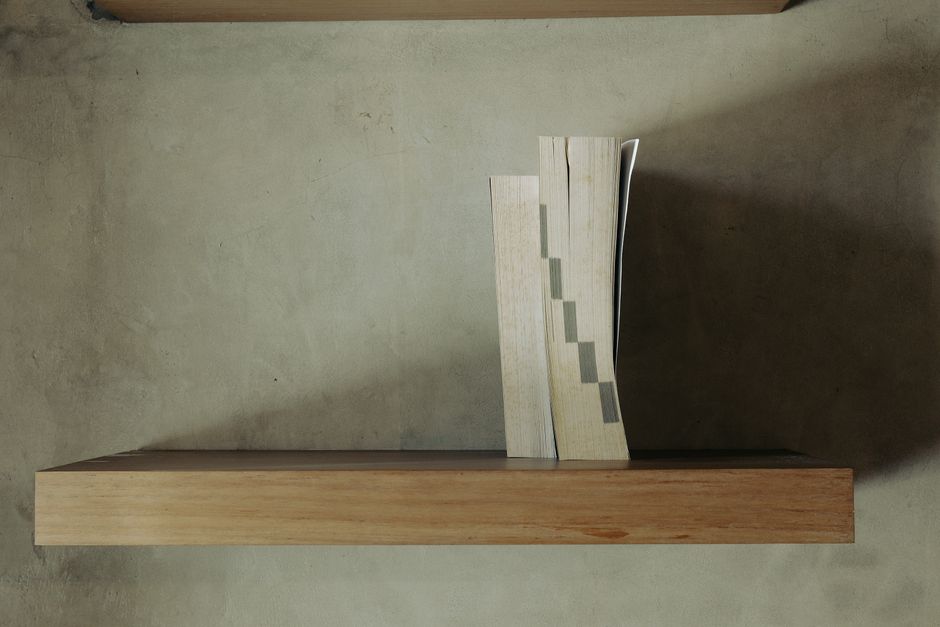
Floating shelves in a staggered arrangement work well in narrower spaces like hallways or stair landings, where a full bookcase would stick out too far.
A window seat with shelving built into the sides turns an underused window nook into a genuine reading library corner, combining storage and seating in one footprint.
Add a chair that actually invites you to sit
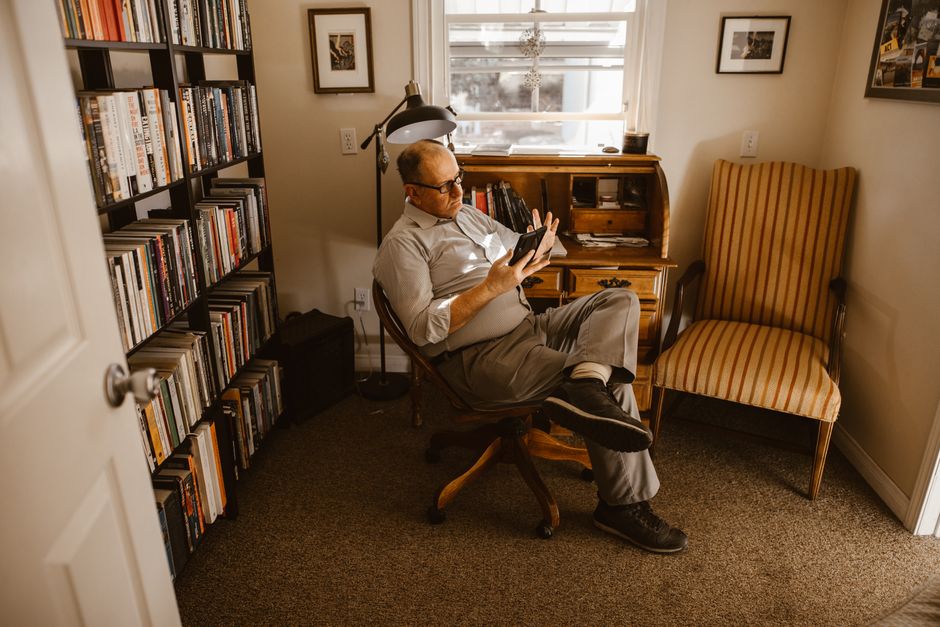
A library without a place to read is just storage. The chair matters as much as the shelves — arguably more, since it's what makes the space feel used rather than staged.
Look for a chair with a high back and enclosed sides if you have room; it visually signals "this is a reading spot" the way an open dining chair never will. Pair it with a small side table for a lamp, your current book, and a mug. If floor space is tight, a wall-mounted swing-arm lamp frees up the table entirely.
Don't skip a footrest or ottoman if your chair allows for one — comfort is the entire point of the space, and a library corner that's uncomfortable to sit in gets used for storage and nothing else within a month.
Lighting makes or breaks a reading corner
Overhead lighting alone is almost never enough for reading. Layer in a dedicated reading light — a floor lamp beside the chair or a swing-arm wall lamp positioned over the shoulder, not directly overhead where it casts a shadow on the page.
Warm-toned bulbs (2700-3000K) suit a library's cozy, contemplative mood far better than cool white light, which reads more clinical than inviting. If your library corner sits near a window, that natural light during the day is a bonus — just add blackout or light-filtering curtains if the afternoon glare makes screens or pages hard to read.
Style the shelves so they don't look chaotic
A shelf packed wall-to-wall with spines facing out can look busy fast, especially with mismatched book sizes and colors. A few styling moves keep it feeling curated:
- Group books by color on at least one or two shelves for a calmer visual rhythm, especially if your collection has wildly mismatched spine designs.
- Stack some books horizontally and use the flat top as a mini display surface for a small object, plant, or framed photo.
- Leave breathing room. Not every inch needs to be filled — negative space between groupings makes the whole shelf read as intentional rather than crammed.
- Add non-book objects sparingly — a small sculpture, a framed print, a plant — roughly one styled object per every two to three shelves of books keeps the balance right.
Small-space adaptations
If you don't have room for a dedicated chair, a window seat with built-in or floating shelves along the sides does double duty as seating and storage. A tall, narrow bookcase (even 12-16 inches wide) tucked beside a sofa or bed can hold a genuine rotating collection without eating floor space.
For renters or anyone hesitant to commit to permanent shelving, a ladder shelf or leaning bookcase requires no wall mounting and can be moved easily if you relocate.
The takeaway
A home library isn't about square footage — it's about consolidating your books into one intentional spot, adding a comfortable place to actually sit and read, and lighting it properly so it gets used rather than just looked at. Start with the shelf you already have too many books stacked on, build outward from there, and resist the urge to fill every inch — the most inviting library corners have a little breathing room.
Frequently asked questions
How many books do I need to justify a home library corner?
There's no minimum — even a single tall bookcase with 40-50 books reads as a library if it's styled with intention and paired with a comfortable place to sit nearby.
What's the best lighting for a reading corner?
A dedicated reading lamp positioned beside or slightly behind your shoulder, using a warm-toned bulb around 2700-3000K, works better than relying on overhead lighting alone.
Can I create a home library in a small apartment?
Yes — a single tall, narrow bookcase, a window seat with side shelving, or staggered floating shelves in a hallway all create a library feel without needing a dedicated room.
How do I keep a full bookshelf from looking cluttered?
Group some books by color, stack a few horizontally to create display surfaces, leave intentional negative space between groupings, and add non-book objects sparingly rather than filling every shelf edge to edge.
Read next

Further reading & trusted sources
The detail most people miss
A single tall bookcase reads as ‘library’ far more convincingly than several short, wide ones covering the same wall — height signals intention in a way width doesn’t. Most home libraries fail not from too few books but from skipping the actual reading chair, so the corner ends up used for storage instead.
Sofia is happiest hunting down the high-end look for a fraction of the price; she’s convinced a beautiful room comes from restraint and clever styling far more than from budget. She shapes Dreamy Dwell’s room-by-room guides around ideas you can actually copy in a rental or on a tight budget — no staged ‘this is my mansion’ fantasy. AI tools help with the research and first drafts, and a human edits every piece before it goes live. We never fake reviews or pass off a styled photo as a real before-and-after.