 By Sofia Bennett, Home & Decor Editor
Reviewed & updated September 2026
A cramped closet doesn't need a renovation to function well — it needs a system. Most small closets waste space not because they're too small, but because they're using one hanging rod and a single shelf when the space could easily support three or four organizing zones. Here's how to actually use every inch.
 Jump to a sectionCurated by Sofia · 5 min read
Start by taking everything out
It sounds tedious, but you can't organize around clutter you haven't assessed. Pull everything out, sort into keep/donate/toss piles, and only put back what you actually wear or use. Most small-closet frustration is really an inventory problem disguised as a storage problem — you likely have 30% more items than the space was ever meant to hold.
Double your hanging space
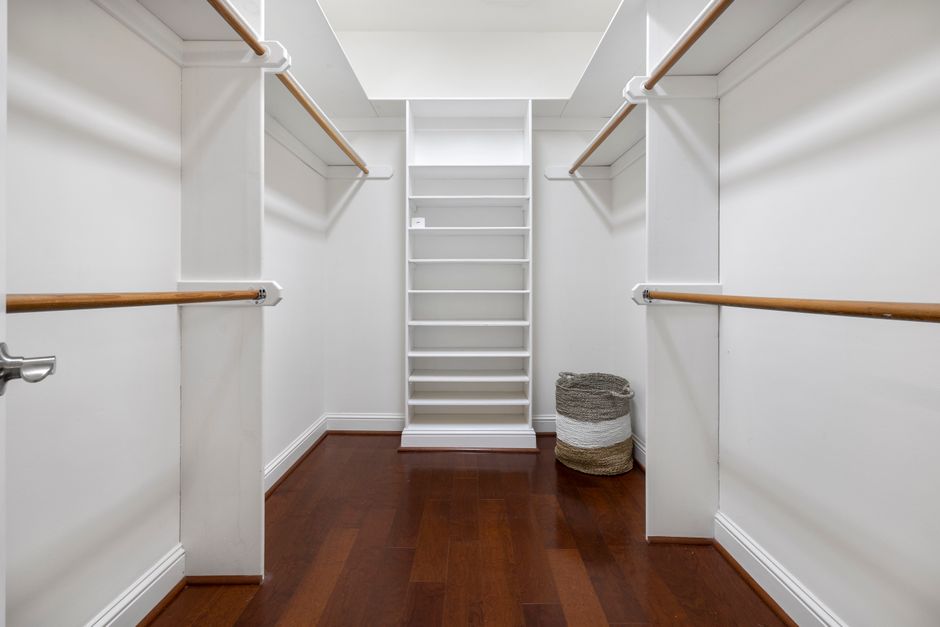
A single rod wastes the vertical space above shorter items like shirts and folded pants. Adding a second rod below the existing one — many closets have room for this with an inexpensive closet rod extender — can roughly double how much you can hang without any new floor footprint.
Reserve the top rod for longer items (dresses, coats) and use the new lower rod for shirts and folded-over pants, which don't need nearly as much drop length.
Use the door
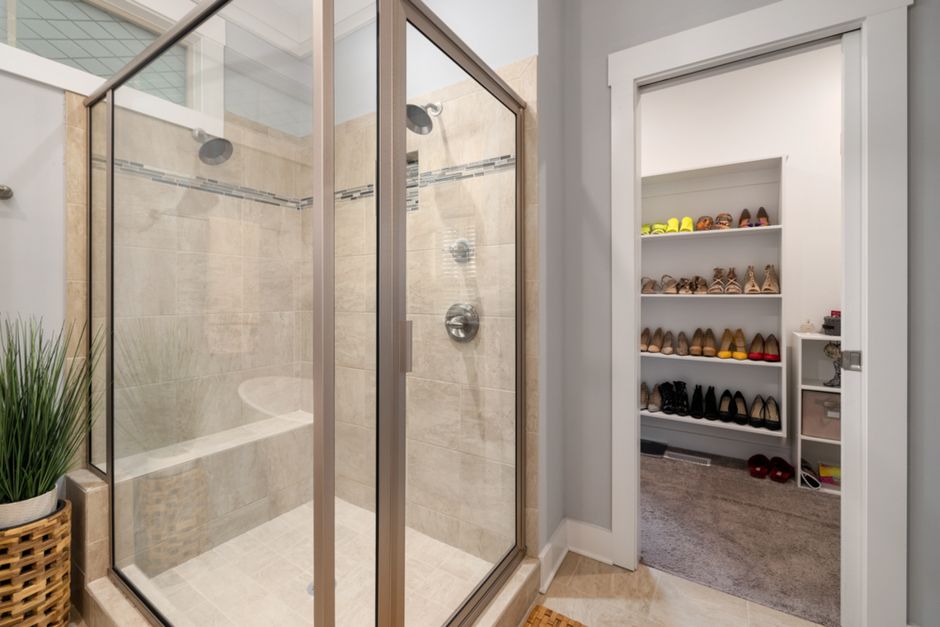
The back of a closet door is almost always empty, and it's some of the most underused real estate in the whole room. An over-the-door organizer works well for shoes, accessories, or cleaning supplies if it's a linen closet. A slim over-the-door hook rail is a good lower-effort option if a full organizer feels like too much.
Go vertical with shelving
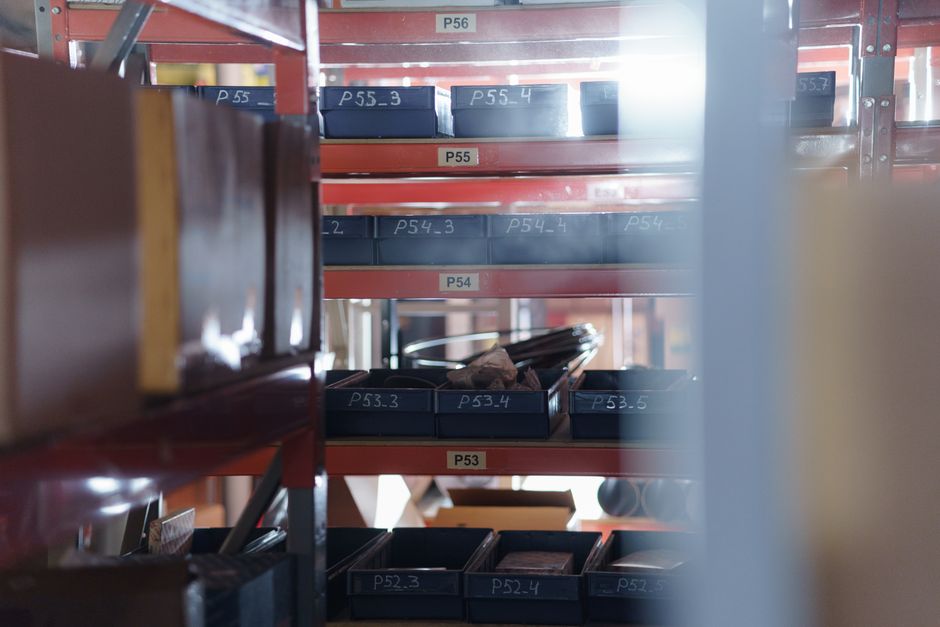
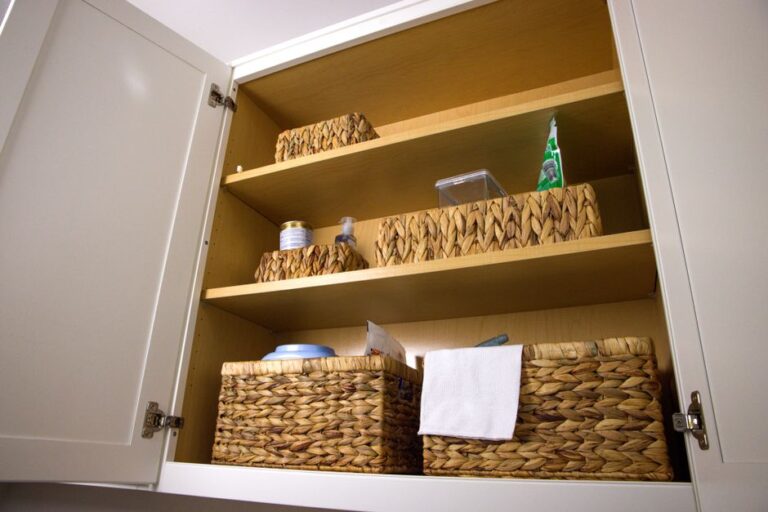
If your closet has any unused wall space above the hanging rod or beside it, vertical shelving (or stackable bins) turns dead air into storage. Label bins by category — off-season clothes, extra linens, accessories — so you're not unpacking three bins to find one scarf.
[TAKE] The vertical-space mistake almost everyone makes: stopping shelving at eye level because reaching higher feels inconvenient. Store your least-used items (off-season clothes, extra bedding) up top, and you reclaim a surprising amount of prime, eye-level space for what you actually use weekly.
Use bins and dividers, not piles
Loose stacks of folded clothes tend to collapse into each other the moment you pull one item from the middle. Shelf dividers or fabric bins keep folded stacks upright and contained, which makes the whole closet look — and stay — tidier for longer with much less daily effort.
Group by category, not by whim
Organizing clothes by type (all tops together, all bottoms together) rather than by whatever order you happened to hang them in makes getting dressed faster and makes it obvious when you're low on something or have too much of another. Within categories, some people like grouping by color too — that's optional, but the type-grouping isn't.
Don't forget the floor
Closet floors tend to become dumping grounds for shoes and bags that don't have a designated spot. A slanted shoe rack or stackable shoe bins keep the floor visually clear and make it far easier to see (and find) what you own.
The takeaway
Small closets aren't a lost cause — they're usually just under-organized. Doubling your hanging space, using the door, going vertical, and containing everything in bins or dividers can meaningfully expand what a tight closet can actually hold, all without any construction.
Frequently asked questions
What's the cheapest way to add storage to a small closet?
An over-the-door organizer and a second hanging rod are both inexpensive, no-tools (or minimal-tools) upgrades that add significant capacity without a full closet system installation.
Should I use velvet hangers in a small closet?
Yes — slim velvet hangers take up noticeably less rod space than plastic or wire hangers and keep clothes from sliding off, which is especially useful when a closet is already tight.
How often should I re-sort a small closet?
Twice a year, aligned with seasonal changes, is usually enough to keep it functional — swap out-of-season items into bins and rotate them back when the weather shifts.
Are closet organizer kits worth it for a small closet?
For very small or awkwardly shaped closets, a modular kit (drawers, shelves, rods sized to your space) can be worth it, but many small closets can be dramatically improved with a second rod, bins, and a door organizer for a fraction of the cost.
Read next
Further reading & trusted sources
The part that actually matters
The overlooked win in a small closet is the top shelf zone above eye level — most people leave it half-empty because reaching up feels inconvenient, when it’s actually the best spot for off-season bins that free up prime eye-level space. A second hanging rod alone, added below the existing one, often adds more usable capacity than any bin or organizer purchase.
Sofia is happiest hunting down the high-end look for a fraction of the price; she’s convinced a beautiful room comes from restraint and clever styling far more than from budget. She shapes Dreamy Dwell’s room-by-room guides around ideas you can actually copy in a rental or on a tight budget — no staged ‘this is my mansion’ fantasy. AI tools help with the research and first drafts, and a human edits every piece before it goes live. We never fake reviews or pass off a styled photo as a real before-and-after.