 By Sofia Bennett, Home & Decor Editor
Reviewed & updated September 2026
Minimalism used to mean stark white walls and a single black chair — beautiful in photos, a little cold to actually live in. Warm minimalism keeps the same "less, but better" philosophy while swapping the clinical edge for natural materials, soft texture, and warmer color, and it's become one of the most requested looks in home decor for exactly that reason.
 On this pageCurated by Sofia · 6 min read
- What actually separates warm minimalism from regular minimalism
- Start with a warm neutral base
- Bring in texture wherever color is limited
- Choose fewer, better objects
- Let natural light do the heavy lifting
- Practical swaps that make the biggest difference
- Where people get it wrong
- The takeaway
- Further reading & trusted sources
What actually separates warm minimalism from regular minimalism
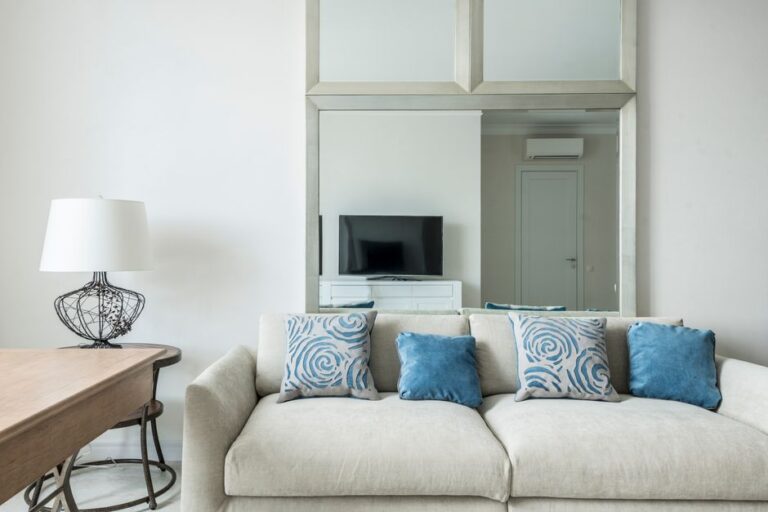
Traditional minimalism prioritizes visual quiet above all else — often through cool, neutral tones (white, gray, black) and hard, glossy surfaces. Warm minimalism keeps the restraint (limited color palette, few decorative objects, no clutter) but replaces the cool tones with warm neutrals — cream, sand, terracotta, warm wood — and replaces hard, glossy surfaces with natural texture: linen, wool, raw wood grain, unglazed ceramic. The result reads as calm and uncluttered, the way minimalism always has, but it feels inviting instead of sterile.
Start with a warm neutral base
Paint walls in warm whites, soft creams, or greige tones instead of stark white or cool gray — even a subtle undertone shift makes a room feel noticeably warmer without adding any color complexity. If you're not ready to repaint, warm-toned furniture and textiles can shift the temperature of a room almost as much as the wall color itself.
Bring in texture wherever color is limited
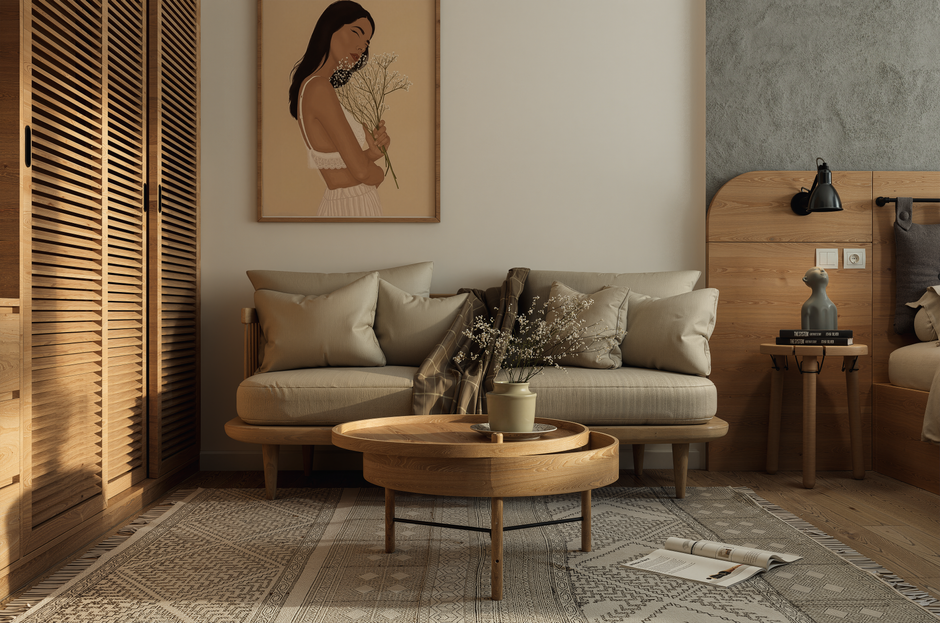
Because warm minimalism keeps color minimal, texture is doing most of the visual work — it's what stops a neutral room from feeling flat or unfinished. Layer in a chunky knit throw, a jute or wool rug, linen curtains, and at least one piece of solid wood furniture with visible grain. The goal is a room that looks calm from a distance but feels rich and tactile up close.
Choose fewer, better objects
Minimalism's core rule still applies: every object in the room should be there because it's genuinely useful or genuinely loved, not because a surface looked empty. Instead of a shelf full of small trinkets, choose one or two substantial pieces — a well-made ceramic vase, a single piece of art, a good lamp — and give them room to breathe. This is where warm minimalism differs most from "boho maximalism," which also uses natural materials but layers in far more objects and pattern.
Let natural light do the heavy lifting
Warm minimalist rooms lean on natural light rather than a lot of artificial fixtures, so keep window treatments simple (linen curtains or none at all) and avoid blocking light with heavy furniture. In the evening, swap harsh overhead lighting for a couple of warm-toned lamps — warm minimalism almost never relies on cool white LED light, since it undoes the cozy effect the rest of the room is working for.
Practical swaps that make the biggest difference
- Swap a glass or metal coffee table for a solid wood one — it's one of the fastest ways to warm up a living room without touching the walls.
- Trade white bedding for a warm off-white or oatmeal tone, and add one textured layer like a waffle-knit throw or a bouclé pillow.
- Replace a stark white lampshade with linen or paper, which softens the light color as well as the object itself.
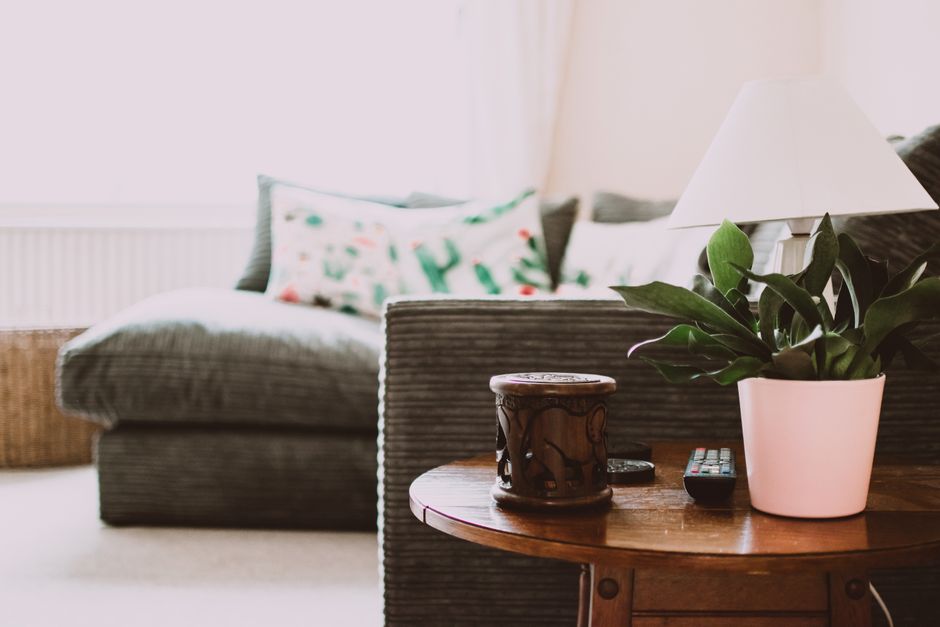
- Add one large plant — it's the single most common "warm minimalism" addition, since greenery softens hard lines without adding visual clutter.
- Use woven baskets instead of plastic bins for storage — same function, considerably warmer texture.
Where people get it wrong
The most common mistake is treating "warm" as permission to add more stuff — warm minimalism is still minimalism, so restraint on quantity matters as much as the color and material choices. The second most common mistake is going too monochrome: an all-beige room with zero contrast can end up looking as flat as an all-white one. A little contrast — a dark wood frame, a black light fixture, a deep green plant — keeps a warm neutral room from disappearing into itself.
The takeaway
Warm minimalism works because it keeps minimalism's real strength — a calm, uncluttered space with only what you actually need — while fixing its biggest weakness, the cold, showroom feeling that made a lot of people avoid the style entirely. Start with a warm neutral base, layer in real texture, choose fewer but better objects, and let natural materials and light do most of the work.
Frequently asked questions
Is warm minimalism the same as Japandi?
They overlap heavily — both favor natural materials, warm neutrals, and restraint — but Japandi specifically blends Japanese and Scandinavian design elements, while warm minimalism is a broader umbrella that doesn't require those specific influences.
Can warm minimalism work in a small apartment?
Yes, and it often works especially well there — fewer objects and a simple palette naturally make a small space feel less cramped, while the warm tones keep it from feeling stark.
How do I add warm minimalism on a tight budget?
Focus on textiles first (a new throw, cushion covers, curtains) since they're the cheapest way to add warmth and texture, then swap one or two cool-toned accent pieces for wood or ceramic versions over time.
Does warm minimalism require an all-neutral palette?
No — a small amount of deeper color (rust, forest green, terracotta) works well as an accent against a warm neutral base; the rule is restraint in quantity, not a total ban on color.
Read next
Further reading & trusted sources
What we’d do first
Swapping a glass or metal coffee table for a solid wood one changes how warm a living room reads more than repainting the walls does, since a large horizontal wood surface sits directly in the eye’s midline and does more visual work per square foot than color alone. An all-beige room with no contrast at all tends to photograph as flat and slightly unfinished even when it feels calm in person — a single darker element, like a black light fixture or dark wood frame, is what most ‘after’ photos of the style actually rely on to read as intentional.
Sofia is happiest hunting down the high-end look for a fraction of the price; she’s convinced a beautiful room comes from restraint and clever styling far more than from budget. She shapes Dreamy Dwell’s room-by-room guides around ideas you can actually copy in a rental or on a tight budget — no staged ‘this is my mansion’ fantasy. AI tools help with the research and first drafts, and a human edits every piece before it goes live. We never fake reviews or pass off a styled photo as a real before-and-after.