 By Sofia Bennett, Home & Decor Editor
Reviewed & updated September 2026
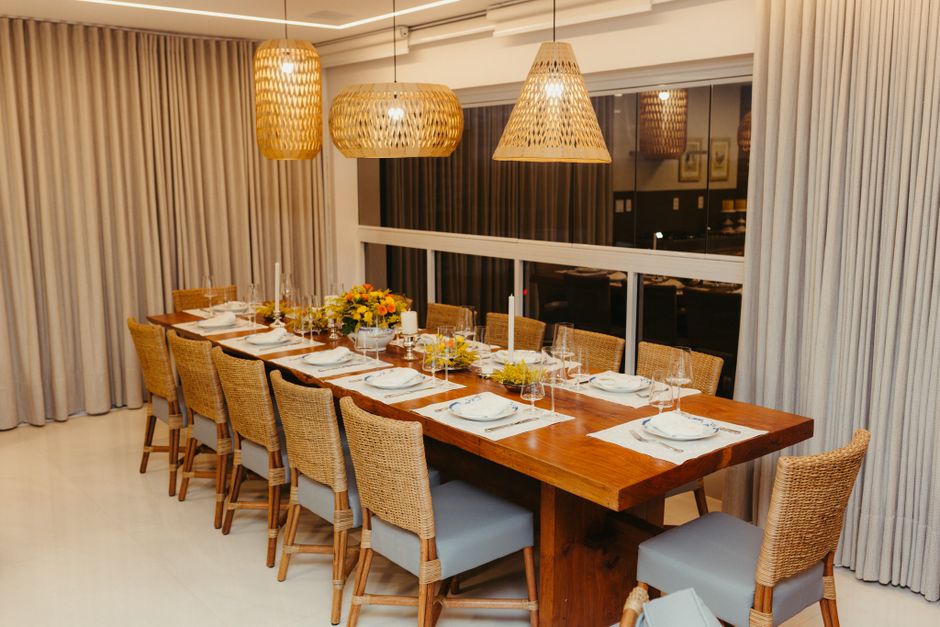
A thoughtfully set table changes the whole mood of a meal. It tells everyone at it that the gathering matters — that you slowed down and made an effort. And here's the secret most people miss: a gorgeous table is far more about layering and arrangement than about owning expensive china. With a few simple principles you can set a table that feels warm and considered, whether it's a Tuesday dinner for two or a holiday feast for twelve.
This guide covers the basics of place settings, the layering that makes a table feel special, easy centerpiece ideas, and how to scale from casual everyday to full holiday elegance.
 Skip ahead toCurated by Sofia · 8 min read
The building blocks of a place setting
Don't be intimidated by formal etiquette diagrams. Almost every table setting is built from the same simple logic, and you can dial it up or down.
The casual everyday setting:
- A dinner plate in the center of each seat.
- A fork to the left of the plate.
- A knife to the right, blade facing the plate, with a spoon to the right of the knife if needed.
- A napkin to the left of the fork (or on the plate).
- A water glass above the knife.
The simple rule for utensils: work from the outside in. Diners use the outermost utensils first, so the salad fork goes outside the dinner fork, and so on. You only need as many utensils as the courses you're serving — don't add forks for food you're not eating.
The relaxed rule for everything else: forks left, knives and spoons right, drinks upper right, bread plate upper left. That's genuinely all you need to remember.
Layering is what makes a table beautiful
The difference between a plain table and a magazine-worthy one is layers. Each layer adds depth and a sense of occasion.
1. Start with a base layer
A tablecloth, a runner, or a set of placemats grounds the setting and protects the table. A runner down the center plus placemats is a flexible, low-commitment way to add texture. Natural materials — linen, jute, woven placemats — feel warm and current.
2. Build the plate stack
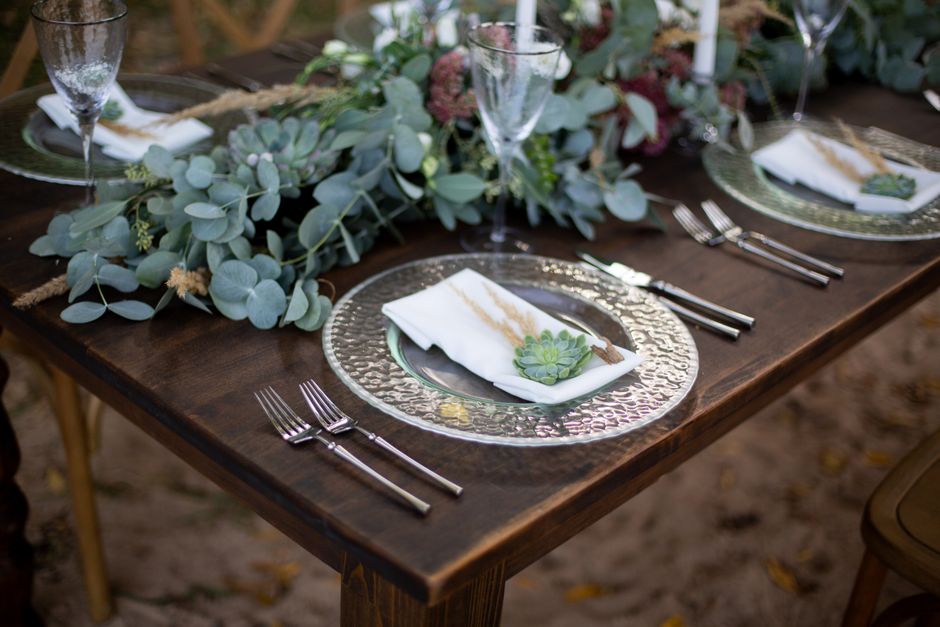
Layering plates instantly elevates a setting: a charger (a large decorative under-plate) topped with a dinner plate, topped with a salad or soup bowl. Even just a dinner plate on a woven placemat with a folded napkin on top looks considered.
3. Add the napkin with intention
A cloth napkin is the single easiest upgrade from "everyday" to "special." Fold it simply and lay it on the plate, drape it loosely, or tie it with twine, a sprig of greenery, or a napkin ring. Cloth beats paper every time for a beautiful table.
Centerpieces that aren't fussy
The centerpiece sets the tone, but it shouldn't block conversation or hog the table.
- Keep it low or high, not in-between. Either a low arrangement people can see over, or tall thin candlesticks and stems that rise above eye level. Avoid medium-height pieces that block sightlines.
- Greenery runner: a simple line of eucalyptus, olive branches, or seasonal foliage down the center is inexpensive, gorgeous, and works year-round.
- Candles: a cluster of varied-height candles (pillars, tapers, votives) brings instant warmth and intimacy. Use unscented candles at the table so they don't compete with the food.
- Seasonal touches: a bowl of citrus or pears, a few small pumpkins in autumn, or a handful of blooms in a jar keep it fresh and natural.
- The odd-number rule: group centerpiece elements in threes or fives for a naturally balanced look.
Everyday vs. holiday: how to scale
The everyday table (5 minutes)
A placemat, a plate, fork and knife, a folded cloth napkin, and a small vase or single candle in the middle. Clear of clutter, with the salt and pepper within reach. Simple, warm, and far nicer than bare wood and paper towels.
The dinner-party table
Add layered plates (charger + dinner plate), a wine glass alongside the water glass, a runner with a low greenery-and-candle centerpiece, and napkins tied with a sprig. A cohesive neutral palette with one accent keeps it elegant.
The full holiday table
Bring out the tablecloth, layer chargers and plates and a folded or tied napkin, add place cards for assigned seating, a generous greenery-and-candle runner, and a coordinated color story (warm metallics and earth tones for autumn; greens, creams, and candlelight for winter). Keep centerpieces low enough to chat across, and add small touches like menu cards or a sprig at each setting.
Choosing a palette and dishware
You don't need multiple sets of china. A versatile foundation goes a long way:
- Neutral dinnerware (white, cream, stoneware in earthy tones) works for every season and lets you change the mood with napkins, runners, and centerpieces.
- Layer in seasonal color through textiles and natural elements rather than buying themed dishes you'll use once a year.
- Mix textures — a matte stoneware plate, a linen napkin, a woven placemat, a little glass and greenery — for a collected, designer feel.
A simple checklist before guests arrive
- Clear and wipe the table; add your base layer (cloth, runner, or placemats).
- Set plates, then utensils (forks left, knives/spoons right), then glasses (upper right).
- Add folded or tied cloth napkins.
- Place a low or tall centerpiece and a few candles down the middle.
- Set out salt, pepper, and anything guests will reach for.
- Light the candles just before everyone sits down, and dim the overhead lights.
The takeaway
A beautiful dining table is built from simple logic and thoughtful layers, not expensive china. Remember forks-left, knives-right, and work outside-in for utensils. Then layer a base (runner or placemats), stack the plates, add a cloth napkin, and finish with a low-or-tall centerpiece and candles. Keep a neutral dinnerware foundation and bring in seasonal color through textiles and greenery. Whether it's a quiet weeknight or a holiday feast, a few minutes of intention turns a meal into an occasion.
Frequently asked questions
How do I set a basic table?
Place the dinner plate in the center, the fork to its left, the knife (blade toward the plate) and spoon to its right, the napkin to the left or on the plate, and the water glass above the knife. For utensils, work from the outside in based on the courses you're serving.
Which side do the fork and knife go on?
Forks go to the left of the plate and knives to the right, with the knife blade facing the plate. Spoons sit to the right of the knife. Drinks go to the upper right and a bread plate, if used, to the upper left.
How can I make my table look nice without expensive dishes?
Layer inexpensive elements: a runner or placemats, a cloth napkin folded or tied with twine and greenery, and a simple low centerpiece of candles and foliage. Neutral basic dinnerware plus seasonal textiles and natural touches looks far more elegant than costly themed china.
What is a good centerpiece for a dining table?
A line of greenery (eucalyptus or olive branches) down the center, a cluster of varied-height unscented candles, or a low bowl of seasonal fruit or blooms all work beautifully. Keep centerpieces either low enough to see over or tall and thin enough to see under, and group elements in odd numbers.
How do I set a holiday table?
Add a tablecloth, layer chargers with plates and a folded or tied napkin, include place cards, and run a generous greenery-and-candle centerpiece down the middle. Choose a cohesive seasonal palette, keep centerpieces low enough for conversation, and dim the lights once the candles are lit.
Do I need a tablecloth?
No — a runner with placemats, or just placemats on a nice table, works wonderfully and is more flexible than a full cloth. Reserve the tablecloth for holidays or formal occasions if you prefer, and rely on layered placemats and runners for everyday and dinner-party settings.
Read next
Related articles
- How to Mix Metals in Home Decor (Without It Looking Off)
- The Best Bedroom Paint Colors for a Restful Room
- Small Home Office Ideas for Tiny Spaces
- Bathroom Organization Ideas That Actually Work (Even in a Small Space)
- How to Choose the Right Rug Size for Any Room
- How to Style a Bookshelf Like a Designer
Further reading & trusted sources
Worth knowing before you start
The detail that elevates a table instantly is layering — a charger or placemat under the plate and a napkin with a little weight on it. It’s the difference guests feel at a set table without being able to name why.
Sofia is happiest hunting down the high-end look for a fraction of the price; she’s convinced a beautiful room comes from restraint and clever styling far more than from budget. She shapes Dreamy Dwell’s room-by-room guides around ideas you can actually copy in a rental or on a tight budget — no staged ‘this is my mansion’ fantasy. AI tools help with the research and first drafts, and a human edits every piece before it goes live. We never fake reviews or pass off a styled photo as a real before-and-after.