 By Sofia Bennett, Home & Decor Editor
Reviewed & updated August 2026
The right rug grounds a room, defines a seating area, and adds warmth underfoot — but designer rugs can cost more than the sofa. The good news: with a few buying tricks, an affordable rug can look every bit as luxe. Here's how to choose one, plus the styles that always look more expensive than they are.
As an Amazon Associate we may earn from qualifying purchases at no extra cost to you. We never quote exact prices, since they change often.
 Jump to a sectionCurated by Sofia · 5 min read
How to choose a rug that looks expensive
Size it correctly
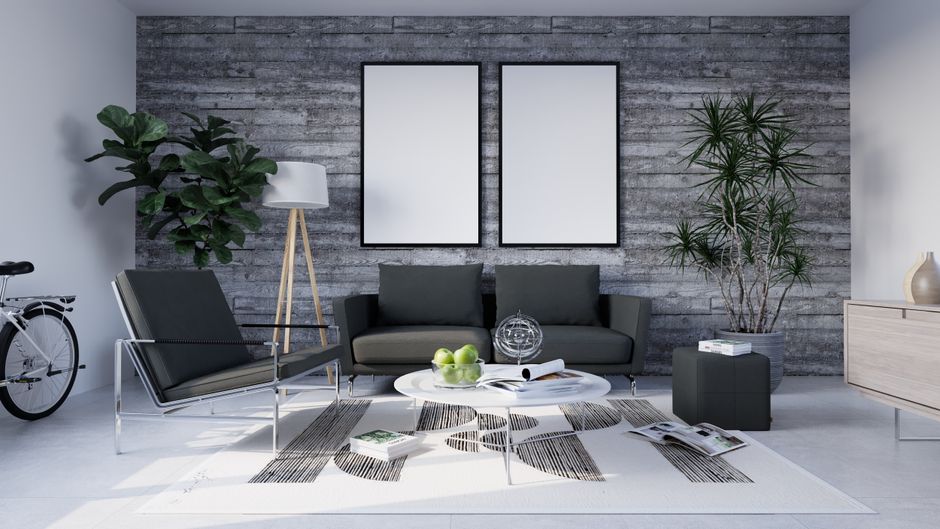
The number-one giveaway of a cheap-looking room is a too-small rug. As a rule, the front legs of your sofa and chairs should sit on the rug. In a living room, that usually means 8×10 or larger; in a dining room, big enough that chairs stay on the rug when pulled out.
Choose timeless over trendy
Neutral tones — ivory, greige, sand, soft charcoal — and classic patterns like distressed Persian, subtle geometric, or simple texture never look dated and hide everyday wear.
Prioritize a low, dense pile
Tightly woven, low-pile rugs look tailored, vacuum easily, and wear well. Very shaggy rugs often read cheaper and trap more dust.
Rug styles that look high-end on a budget
1. Distressed vintage-style rugs
Faded, "well-loved" Persian and Turkish-look prints bring instant character and forgive spills and pet hair. They're one of the best value buys in decor.
2. Natural jute and sisal
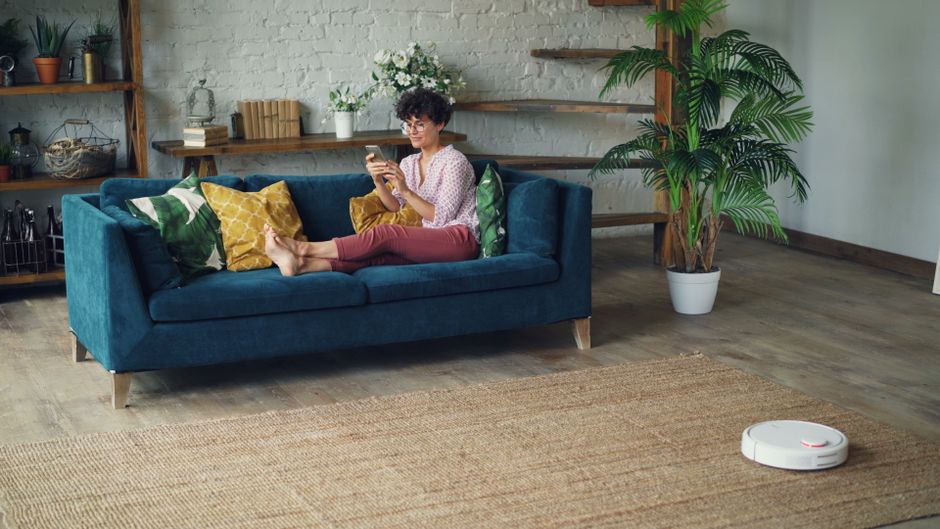
Jute rugs add organic texture and a relaxed, coastal-farmhouse feel. They're affordable and look fantastic layered under a smaller patterned rug.
3. Flatweave and kilim styles
Thin, reversible flatweaves suit high-traffic areas and renters. Geometric kilim patterns feel collected and worldly.
4. Tonal textured neutrals
A cream or beige rug with subtle high-low texture or a quiet stripe reads calm and luxurious, and lets the rest of the room shine.
5. Washable rugs
Thin, machine-washable rugs (the kind with a separate cushioned pad) are a game-changer for kitchens, entryways, and homes with kids or pets — practical and pretty.
Pro tricks to elevate any rug
- Always use a rug pad. It keeps the rug from sliding, adds plush cushioning, and makes a thin rug feel and look more substantial.
- Layer two rugs. A small patterned rug over a large jute one is a designer staple that adds depth for less.
- Steam out the creases. A new rug folded in a box arrives wrinkled; a quick steam or a few days flat makes it lie perfectly.
- Vacuum gently and rotate. Rotating every few months evens out wear and sun fading.
The takeaway
An expensive look comes from the right size, a timeless neutral pattern, and a quality rug pad — not from a big price tag. Distressed vintage styles, natural jute, and washable flatweaves all deliver high-end charm for far less.
Frequently asked questions
What size rug do I need for a living room?
Big enough that at least the front legs of your sofa and chairs rest on it — usually 8×10 or larger for a standard living room. A too-small rug makes the whole space feel cramped and cheap.
Are jute rugs worth it?
Yes. Jute adds natural texture and a relaxed look for very little money, and it layers beautifully under patterned rugs. It can feel rough underfoot, so it's best in living and dining areas rather than bedrooms.
How do I stop a rug from slipping?
Use a non-slip rug pad sized slightly smaller than the rug. It prevents sliding, protects your floors, and makes thin rugs feel more cushioned and expensive.
What rug color hides dirt best?
Medium tones and busier patterns — distressed vintage prints, multicolor kilims, and greige textures — hide everyday dirt, crumbs, and pet hair far better than solid cream or dark solids.
Read next
Related articles
- How to Choose the Right Rug Size for Any Room
- How to Style a Bookshelf Like a Designer
- How to Choose and Style Throw Pillows for Your Sofa
- How to Choose the Best Floor Lamp for a Cozy Living Room
- How to Make Your House Look Expensive on a Budget
- Christmas Mantel and Holiday Decor Ideas
Further reading & trusted sources
The part that actually matters
The number-one regret with budget rugs is buying too small — a rug that only fits under the coffee table makes the whole room look shrunken. Size up so at least the front legs of your sofa sit on it; it instantly reads more expensive than the rug actually was.
Sofia is happiest hunting down the high-end look for a fraction of the price; she’s convinced a beautiful room comes from restraint and clever styling far more than from budget. She shapes Dreamy Dwell’s room-by-room guides around ideas you can actually copy in a rental or on a tight budget — no staged ‘this is my mansion’ fantasy. AI tools help with the research and first drafts, and a human edits every piece before it goes live. We never fake reviews or pass off a styled photo as a real before-and-after.