 By Sofia Bennett, Home & Decor Editor
Reviewed & updated September 2026
A mudroom is supposed to be the buffer zone between the chaos of outside and the calm of inside — but for a lot of homes, it's just a pile of shoes by the door and a coat hook that gives up by November. The good news is a functional mudroom setup doesn't require a dedicated room at all.
 Skip ahead toCurated by Sofia · 7 min read
You don't need a real mudroom to have mudroom organization
Most homes built without a dedicated mudroom still have some version of the space — a back entry, a stretch of hallway by the garage door, or a corner of the laundry room. The goal isn't the room itself, it's the system: a spot where shoes, coats, bags, and outdoor gear get intercepted before they migrate into the rest of the house.
If you don't have a defined entry space, treat the first 3-4 feet inside whatever door your family uses most as the mudroom zone, and organize it the same way you would a purpose-built one.
Start with a landing zone for essentials
Every functional mudroom setup starts with a small set of daily-use zones rather than one catch-all pile:
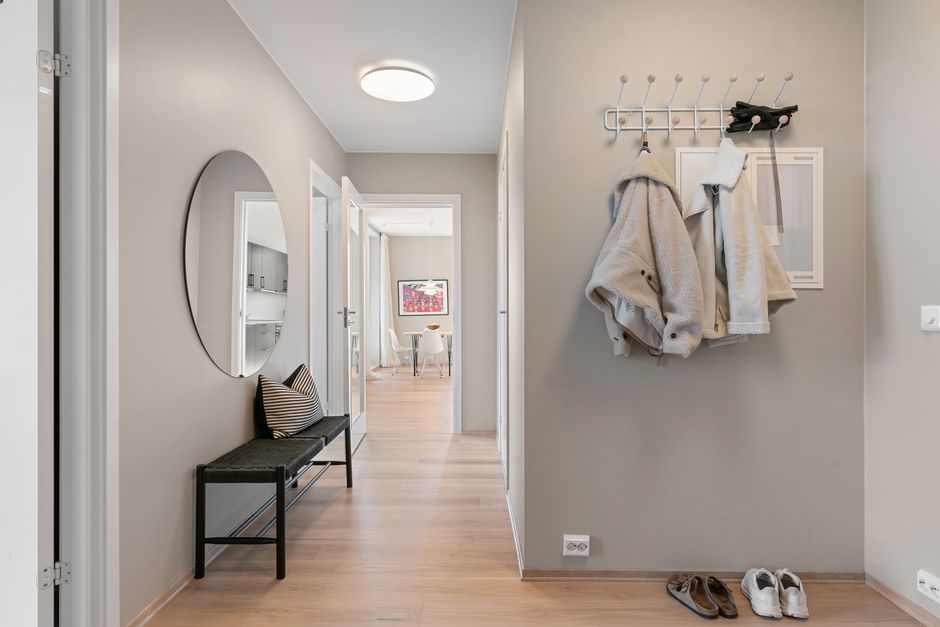
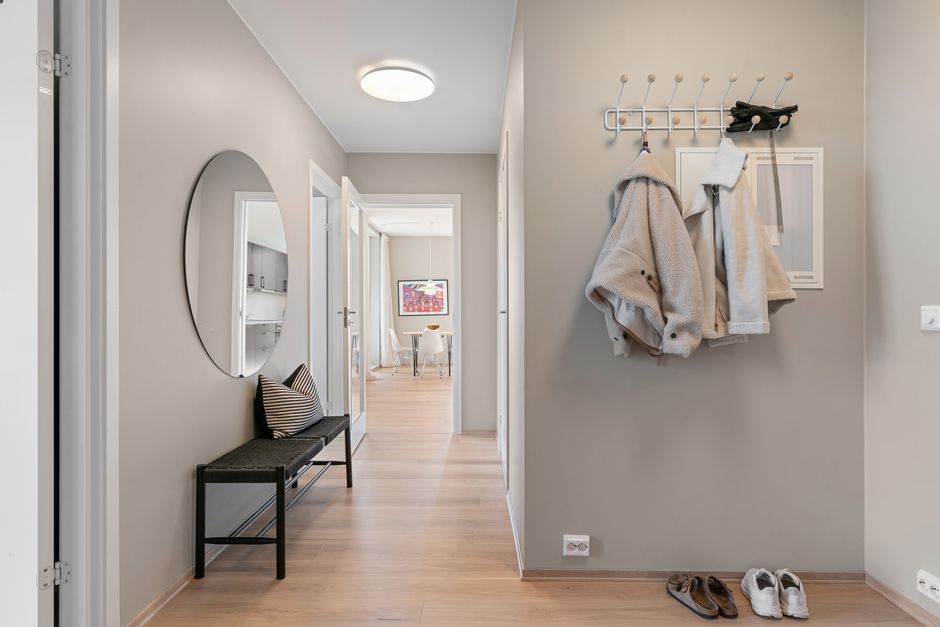
Hooks at two heights. Install a row of hooks for adults and a lower row for kids, so everyone has a designated spot for coats and bags instead of draping them over a chair. Aim for one hook per family member plus a couple of extras for guests.
A bench or seat. Somewhere to sit while putting on or taking off shoes turns a two-minute struggle into a ten-second task, and people are far more likely to actually put shoes away when they're not hopping on one foot to do it.
Closed shoe storage. Open shoe piles are the single fastest way a mudroom looks like a mess. A shoe cubby, boot tray, or slim cabinet with a door keeps shoes contained and off the floor, which also protects flooring from mud and salt in winter.
Sort by frequency of use
The mistake most people make with mudroom storage is treating every item as equally important. In reality, gear falls into three tiers:
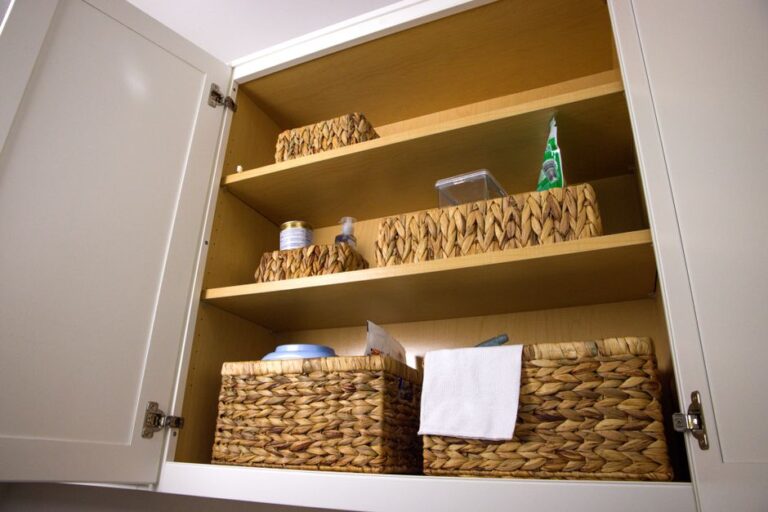
Daily use — the coats, shoes, and bags used every single day. These need to be the most accessible: eye-level hooks, an open bin at the door, or a bench-height cubby.
Weekly or seasonal use — umbrellas, gym bags, dog leashes, sports equipment. These can live a step further away — a closet shelf or a bin under the bench — since they're grabbed less often but still regularly.
Rotational/seasonal — winter boots in summer, summer sandals in winter. These belong in the least accessible storage, like a bin on a high shelf or in a hall closet, and should be swapped seasonally rather than taking up prime real estate year-round.
Small-space mudroom solutions
Use the back of the door. An over-the-door organizer or a single row of hooks on the back of a coat closet door adds storage without taking up any floor space at all — ideal for apartments or homes with no dedicated entry area.
Go vertical. A slim, tall cabinet or a stack of wall-mounted cubbies uses height instead of floor footprint, which matters most in narrow hallway-style entries.
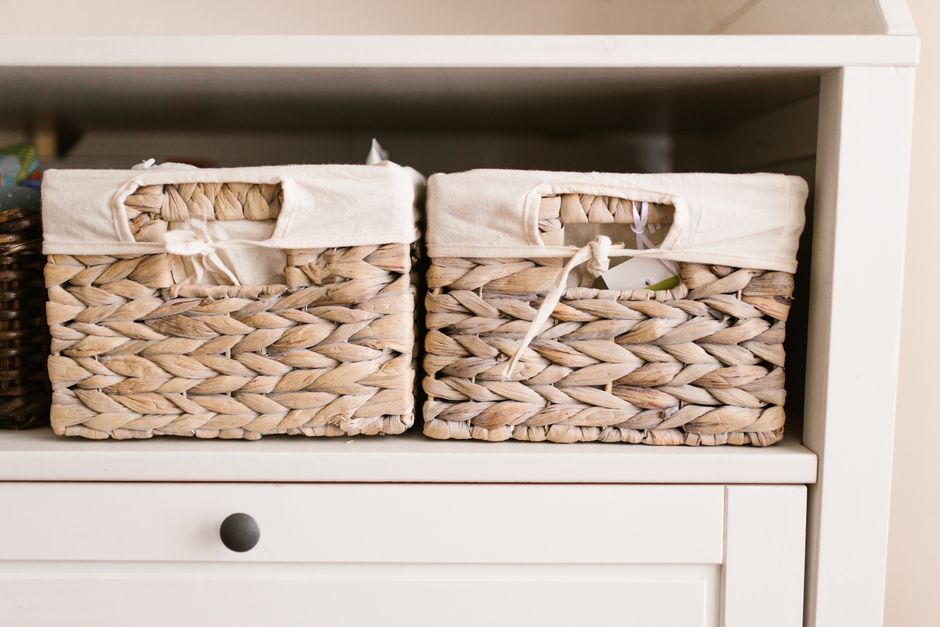
Repurpose a bookshelf. A shallow bookshelf turned sideways, or a low console table with baskets underneath, can function as an entryway organization system even in a space that was never designed to be one.
Add a rolling cart. For renters or anyone who can't install hooks, a rolling cart with baskets can hold shoes and bags and be tucked out of sight when guests come over.
Contain the small stuff
Mudrooms accumulate a specific kind of clutter that doesn't have an obvious home: keys, mail, sunglasses, dog leashes, loose gloves. A dedicated catch-all tray or a small labeled bin for each category prevents these items from spreading across every flat surface near the door.
A simple, low-effort system: one tray for keys and mail, one basket for gloves and hats, one hook specifically for the dog leash. When each item has exactly one home, "I don't know where I put it" mostly disappears.
Make it kid-friendly
If kids use the space, their gear needs storage they can actually reach and use independently. Low hooks, a labeled bin for each child, and a step stool if shelves are too high all make it realistic for kids to put things away themselves rather than needing a parent to do it after the fact. A chore chart or simple picture labels on bins can help younger kids match items to their spot.
Keep the floor clear
A durable, washable rug or boot tray at the entry does double duty — it protects flooring from mud, snow, and rain, and it visually defines the "drop zone" so shoes and bags land in one contained spot instead of scattering. Choose something machine-washable or hose-off durable, since this is the hardest-working textile in the house.
The takeaway
A mudroom system works because it's built around how people actually move through the door, not around how the space looks in a photo. Give daily items the most accessible spot, contain the small stuff in labeled bins, and don't wait for a dedicated room to start — a single wall of hooks and a bench-height shoe bin can bring most of the benefit to a hallway, closet, or corner you already have.
Frequently asked questions
What's the difference between an entryway and a mudroom?
An entryway is typically the front door, focused more on first impressions and guest storage like an umbrella stand or console table. A mudroom is the functional, everyday-use door — usually a back or garage entrance — organized around shoes, coats, and outdoor gear rather than appearances.
How do I organize a mudroom with no closet?
Use wall-mounted hooks, an over-the-door organizer, and a slim shoe bench or cabinet. None of the core mudroom functions actually require a closet — they just require a defined wall or floor zone near the door.
How often should I rotate seasonal mudroom items?
Twice a year works for most climates — swap heavy coats and boots in for the cold months, then swap them out for lighter jackets and rain gear once the weather turns. Keeping only the current season's gear in the primary zone prevents the space from feeling overcrowded.
What's the best flooring for a mudroom?
Durable, water-resistant options like tile, vinyl, or a washable rug over hardwood hold up best to mud, snow melt, and daily foot traffic. If you're renting and can't change the flooring, a large washable mat at the entry protects what's underneath.
Read next

Further reading & trusted sources
Worth knowing before you start
A closed shoe cabinet does more for how organized an entry looks than any other single change, since open shoe piles are the first thing the eye catches even when everything else nearby is tidy. Hooks mounted at two different heights only get used consistently if the lower row is genuinely reachable for the shortest person using them — a few inches too high and kids default right back to dropping coats on the floor.
Sofia is happiest hunting down the high-end look for a fraction of the price; she’s convinced a beautiful room comes from restraint and clever styling far more than from budget. She shapes Dreamy Dwell’s room-by-room guides around ideas you can actually copy in a rental or on a tight budget — no staged ‘this is my mansion’ fantasy. AI tools help with the research and first drafts, and a human edits every piece before it goes live. We never fake reviews or pass off a styled photo as a real before-and-after.