 By Sofia Bennett, Home & Decor Editor
Reviewed & updated September 2026
All a reading nook really needs is a chair, good light, and somewhere to set a cup of tea — yet that small corner tends to become the spot everyone in the house quietly fights over. You don’t need a bay window or a spare room; a forgotten corner and the right layering will do it.
 What you’ll find insideCurated by Sofia · 9 min read
- Why Every Home Needs a Reading Nook
- Idea 1: The Classic Bay Window Nook
- Idea 2: The Converted Closet Nook (Cloffice Sibling)
- Idea 3: The Cozy Corner Chair Setup
- Idea 4: The Window Seat Nook
- Idea 5: The Boho Hammock or Swing Chair Nook
- Idea 6: The Bedroom Reading Corner
- Lighting: The Most Important Detail
- The Cozy Texture Formula
- Budget Breakdown: How Much Does a Reading Nook Cost?
- The Takeaway
- Related articles
- Further reading & trusted sources
Why Every Home Needs a Reading Nook
There's something psychologically powerful about having a dedicated space for a single activity. Unlike the couch (where you also watch TV, scroll your phone, and fold laundry), a reading nook signals to your brain: this is where we slow down. It becomes a ritual.
Even in a small apartment, carving out 3–4 square feet for a reading corner creates a sense of refuge. And the good news: reading nooks are one of the most budget-friendly home improvements you can make.
Idea 1: The Classic Bay Window Nook
If you're lucky enough to have a bay window, you already have the bones of a stunning reading nook. All you need to do is bring it to life.
How to style it: Add a cushioned bench seat — either built-in or a simple box bench from IKEA with a custom cushion. Flank with floor-to-ceiling curtains (linen or velvet work beautifully) in a neutral or moody tone. Add a small side table or wall-mounted shelf for your tea mug.
Storage bonus: Box benches with lift-up lids are perfect for storing extra throws, seasonal books, or magazines.
Lighting tip: Bay windows offer natural light during the day, but you'll need a wall sconce or adjustable floor lamp for evening reading. Warm-toned bulbs (2700–3000K) are essential for a cozy feel.
Idea 2: The Converted Closet Nook (Cloffice Sibling)
An unused closet is a reading nook waiting to happen. Remove the hanging rod, add a bench or daybed along the back wall, install some floating shelves, and string up fairy lights or a pendant light. Suddenly your coat closet becomes the coziest room in the house.
Step-by-step:
- Remove the closet rod and shelf hardware
- Paint the interior a moody, cozy color (deep blue, forest green, terracotta)
- Add a cushioned seat — a custom foam cushion cut to size works perfectly
- Install floating shelves on the side walls for books
- Add lighting (plug-in pendant or LED fairy lights)
- Add a small rug, throw pillow, and a tiny plant
This is one of the most Instagrammable reading nook setups and surprisingly achievable on a small budget.
Idea 3: The Cozy Corner Chair Setup
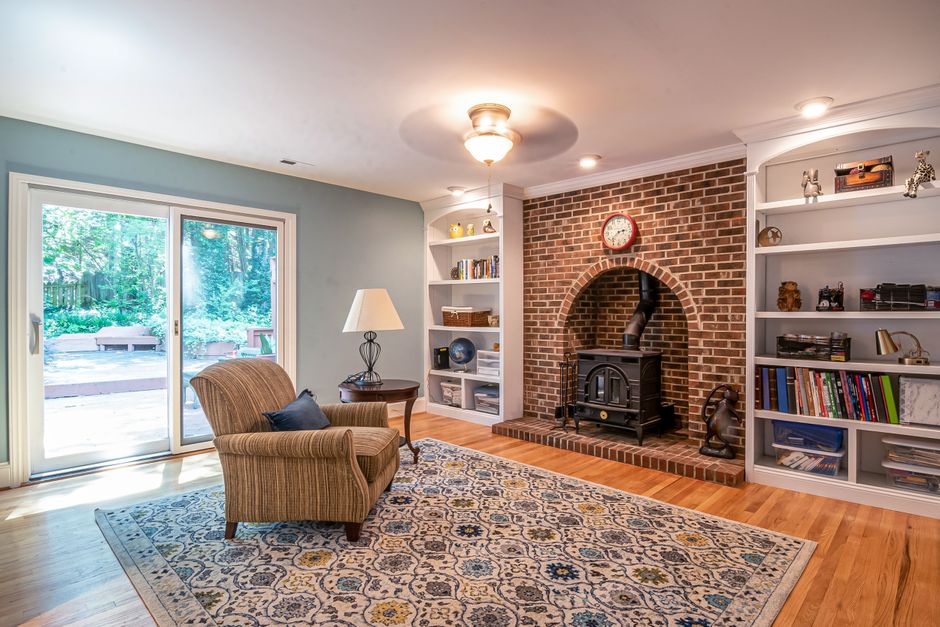
No alcove? No closet? No problem. A corner of your living room or bedroom can become a dedicated reading nook with just a few pieces:
- A great chair: An oversized armchair or accent chair is the anchor. Look for something with a high back and wide seat — comfort over aesthetics, though both are achievable.
- A floor lamp: Position it behind and slightly to the side of the chair so light falls over your shoulder.
- A small side table: For your book, tea, reading glasses, and phone.
- A throw: Draped over the arm of the chair. A chunky knit throw is both functional and beautiful.
- A small bookshelf: Even a 3-shelf unit nearby completes the vibe.
This setup requires zero renovation and can be assembled in an afternoon.
Idea 4: The Window Seat Nook
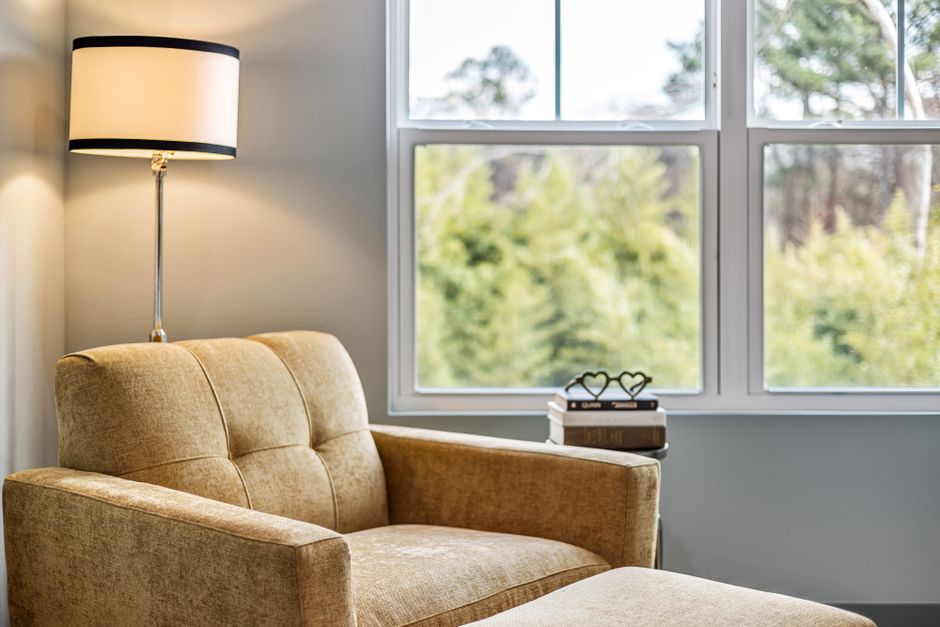
If you don't have a bay window but do have a standard window with some floor space beneath it, you can build (or buy) a simple window seat to create a nook.
DIY route: Build a simple box frame from plywood, cut to the width of the window. Top with a 4-inch foam cushion covered in washable fabric. Add cushions and you're done. Total cost can be under $100 if you DIY.
IKEA hack route: Two KALLAX units placed side-by-side with a cushion on top is a beloved and affordable window seat solution. The cubbies store books below while you sit above.
Styling: Hang curtains on either side to frame the window and make the nook feel like its own little room-within-a-room. Add a small shelf for candles and a plant.
Idea 5: The Boho Hammock or Swing Chair Nook
For something unexpected and playful, a hanging swing chair or indoor hammock chair creates an absolutely magical reading nook — and they're not as expensive or complicated to install as you might think.
Look for:
- Macramé hammock chairs: Boho, lightweight, often under $60
- Rattan hanging egg chairs: More structured, great for outdoor or indoor use
- Velvet swing chairs: More luxurious, very Instagram-worthy
You'll need to install a ceiling hook into a joist (this is important — never install into drywall alone). Add a small jute rug beneath and a floor-level side table or stacking crate for books.
Idea 6: The Bedroom Reading Corner
Bedrooms are underused for reading nooks. A small chair in the corner of your bedroom with a lamp creates a distinct "awake" space separate from your bed, which is actually better for sleep hygiene — your brain starts to associate the chair with reading and the bed purely with sleep.
Furniture picks: A slipper chair, barrel chair, or papasan chair all work beautifully in a bedroom corner without overwhelming the space.
Keep it minimal: In a bedroom, avoid a full bookshelf — it can feel cluttered in a sleep space. A small side table with your current reads is enough.
Lighting: The Most Important Detail
Lighting makes or breaks a reading nook. Overhead ceiling lights are almost always too harsh. Instead:
- Floor lamps with warm bulbs: Position behind and above your shoulder level
- Adjustable reading lamps: Arc floor lamps or swing-arm wall sconces that can be directed at your book
- Fairy lights: For ambience (not as your only light source — too dim)
- Table lamps: On side tables for supplemental warm light
The rule: You should be able to clearly read text without straining your eyes, with light that doesn't feel harsh or blue-toned. Warm white (2700K) or soft white (3000K) bulbs are the sweet spot.
The Cozy Texture Formula
The most inviting reading nooks share a common formula for texture:
- One soft surface (upholstered chair, cushioned bench)
- One layer of warmth (throw blanket)
- One soft underfoot element (small rug, especially important on hard floors)
- Pillow or lumbar support (both functional and decorative)
- Natural element (plant, wooden side table, wicker basket)
This combination of soft, warm, natural textures is what makes a corner feel like a destination rather than just a seating area.
Budget Breakdown: How Much Does a Reading Nook Cost?
| Setup Type | Estimated Cost |
|---|---|
| Corner chair + lamp + side table | $150–$400 |
| DIY closet nook conversion | $100–$300 |
| IKEA window seat hack | $150–$350 |
| Bay window cushion + curtains | $200–$500 |
| Swing/hammock chair nook | $100–$350 |
You don't have to spend much to create something genuinely beautiful. Thrift stores, Facebook Marketplace, and IKEA are your best friends here.
The Takeaway
A reading nook doesn't require a dedicated room, a renovation budget, or a grand architectural feature. It requires intention — choosing a corner, a chair, a lamp, and making it yours. Start with what you have, add comfort layers over time, and you'll find yourself reaching for books more often simply because the environment invites it. That's the quiet magic of a well-made reading nook.
Frequently Asked Questions
What's the best chair for a reading nook?
Comfort is paramount — look for chairs with high backs, supportive cushions, and enough width to pull your legs up. Accent chairs, barrel chairs, and oversized armchairs are all popular choices. Test before you buy if possible, or check return policies when ordering online.
How do I create a reading nook in a small apartment?
A single armchair, a floor lamp, and a small side table in the corner of your living room or bedroom is enough. The key is intentionality — designate that corner as your reading space and keep it clear of other uses.
Do I need to do any construction to build a reading nook?
Not at all for most setups. Corner chair configurations and closet conversions require zero structural work. Built-in bench seats do require some carpentry, but IKEA hacks offer similar results without construction.
What colors make a reading nook feel cozy?
Deep, rich colors create the most enveloping feeling: forest green, navy, dusty terracotta, warm taupe, and plum. If you're painting just the interior of a closet nook, going bold is low risk because it's a small surface area and fully contained.
Read next

Related articles
- How to Choose the Right Curtains for Any Room
- Small Entryway Decorating Ideas That Still Feel Welcoming
- Living Room Lighting Ideas for a Cozy, Inviting Glow
- “Small Living Room Layout Ideas That Actually Maximize Space”
- Renter-Friendly Apartment Decorating Ideas
- How to Make a Small Room Look Bigger
Further reading & trusted sources
The part that actually matters
A nook actually gets used when the light is right for reading, not just for the photo. A dedicated warm task light beside the chair is what turns a pretty corner into one you sink into every evening.
Sofia is happiest hunting down the high-end look for a fraction of the price; she’s convinced a beautiful room comes from restraint and clever styling far more than from budget. She shapes Dreamy Dwell’s room-by-room guides around ideas you can actually copy in a rental or on a tight budget — no staged ‘this is my mansion’ fantasy. AI tools help with the research and first drafts, and a human edits every piece before it goes live. We never fake reviews or pass off a styled photo as a real before-and-after.