 By Sofia Bennett, Home & Decor Editor
Reviewed & updated September 2026
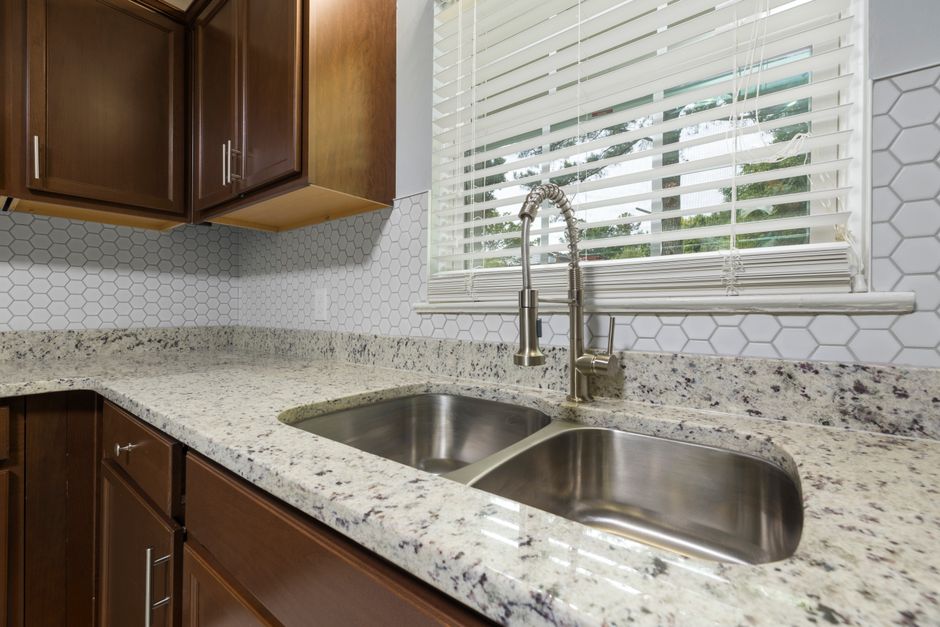
A backsplash is one of the most-seen surfaces in a kitchen, and a dated or plain one can drag down the whole room. The catch: real tile is expensive, messy, permanent, and off-limits if you rent. Enter peel-and-stick backsplash — a self-adhesive tile that delivers the look of the real thing in an afternoon, with no grout, no mess, and (with the right product) no damage when you remove it. It's one of the best bang-for-buck makeovers in any home, and a genuine game-changer for renters.
Here's everything you need to know to do it right, from choosing the product to a clean, professional-looking finish.
 What you’ll find insideCurated by Sofia · 7 min read
- Why peel-and-stick backsplash is worth it
- Types of peel-and-stick backsplash
- What you’ll need
- Step 1: Measure and buy enough
- Step 2: Prep the surface (don’t skip this)
- Step 3: Plan your starting point
- Step 4: Apply the tiles
- Step 5: Cut around obstacles
- Step 6: Finish the edges
- Care and removal
- The takeaway
- Related articles
- Further reading & trusted sources
Why peel-and-stick backsplash is worth it
- Affordable: a fraction of the cost of real tile and installation.
- Fast: most small backsplashes go up in a few hours, with no drying or grouting.
- No special skills or tools: if you can measure and use scissors or a utility knife, you can do this.
- Renter-friendly: quality products peel off cleanly, protecting your deposit.
- Reversible and updatable: change it whenever you want a new look.
Types of peel-and-stick backsplash
Not all "peel-and-stick" is the same. Know your options:
- Vinyl/gel tiles — flexible sheets with a slightly raised, glossy finish that mimics ceramic. Easy to cut and very budget-friendly.
- PVC or composite tiles — thicker, more rigid, and more realistic up close; a step up in look and price.
- Real stone/metal mosaic with adhesive backing — the most authentic (it is real material), pricier and heavier, often better for owners than renters.
- Tile-effect wallpaper — the cheapest option; flat (no texture) but convincing from a short distance and great for low-splash areas.
For a kitchen with cooking and splashes, choose a product rated as wipeable and, ideally, heat- and moisture-resistant near the stove and sink.
What you'll need
- Your chosen peel-and-stick tiles (measure first — see below)
- A tape measure and pencil
- Sharp scissors and/or a utility knife with fresh blades
- A straightedge or ruler
- A squeegee, credit card, or smoothing tool
- A cleaning cloth and a degreasing cleaner
- Optional: a cutting mat, a heat gun or hairdryer (helps tiles conform around tricky spots)
Step 1: Measure and buy enough
Measure the width and height of your backsplash area and multiply for the square footage. Add about 10–15% extra for cuts, mistakes, and pattern matching. Running out mid-project and getting a slightly different dye lot later is a common, avoidable headache.
Step 2: Prep the surface (don't skip this)
Adhesion is everything, and kitchens are greasy.
- Clean thoroughly with a degreaser to remove all oil, grime, and dust — adhesive will not stick to grease.
- Rinse to remove any cleaner residue and let the wall dry completely.
- Smooth the surface. Peel-and-stick adheres best to smooth, non-textured walls. Heavily textured walls or existing glossy tile may need extra prep (lightly sanding glossy surfaces helps grip).
- Turn off power to any outlets in the area and remove the outlet/switch cover plates so you can tile cleanly around them. Reattach plates over the new tile when done.
Step 3: Plan your starting point
- Find your center or a clean reference line, and use a level to mark a straight horizontal guide. Starting straight keeps the whole project from drifting crooked.
- Decide where full tiles look best (usually starting from a focal point or a visible edge) and where cut pieces will be least noticeable (often at the ends or under cabinets).
Step 4: Apply the tiles
- Peel the backing off the first tile.
- Line it up carefully with your guide line — the first tile sets the alignment for everything.
- Press from the center outward, smoothing with a squeegee or credit card to push out air bubbles.
- Continue across, matching the edges or interlocking pattern as designed. Most products are made to align seamlessly tile to tile.
Work slowly at first; once you've placed a few, you'll find a rhythm.
Step 5: Cut around obstacles
- Measure carefully for outlets, edges, and corners, mark the tile, and cut with sharp scissors or a utility knife against a straightedge.
- For outlets, cut the opening slightly smaller than the cover plate so the plate hides the edges.
- A warm hairdryer or heat gun makes flexible tiles easier to bend around inside corners and tricky spots.
Step 6: Finish the edges
- Trim the top and side edges cleanly along cabinets and counters.
- For an extra-finished look, a thin bead of paintable caulk along the edges where the backsplash meets the counter or cabinets blends it in seamlessly.
- Reattach outlet and switch plates over the tile.
Care and removal
- Clean with a soft cloth and mild cleaner; avoid abrasive scrubbers that could dull the finish.
- Near the stove, keep tiles away from direct flame and check the product's heat rating.
- To remove (when you move out or want a change), warm the tiles with a hairdryer to soften the adhesive and peel slowly from a corner. Quality products leave little to no residue; any leftover adhesive usually wipes off with a gentle solvent.
The takeaway
A peel-and-stick backsplash is the rare upgrade that's cheap, fast, beginner-proof, and completely reversible — making it perfect for renters and anyone wanting a quick kitchen refresh. The secrets to a professional result are simple: buy extra, prep a clean and smooth surface, start from a level guide line, smooth out air bubbles, and finish the edges neatly. In a single afternoon you can transform the most visible surface in your kitchen — and undo it just as easily down the road.
Frequently asked questions
Does peel-and-stick backsplash look cheap?
Done well, it looks surprisingly convincing — especially the thicker PVC and composite tiles with texture. The keys to a high-end result are choosing a quality textured product, prepping a clean smooth surface, keeping rows level, and finishing the edges with a neat trim or thin caulk line.
Will peel-and-stick tile damage my walls?
Quality peel-and-stick products are designed to remove cleanly, making them renter-friendly. To remove, warm the tiles with a hairdryer to soften the adhesive and peel slowly; any residue usually wipes away with a mild solvent. Always test a small area first and check the product's removability claims.
Can you put peel-and-stick backsplash behind a stove?
You can, but keep it away from direct flame and high, sustained heat, and choose a product rated as heat- and moisture-resistant. Around gas burners especially, check the manufacturer's heat guidance and leave appropriate clearance for safety.
How do I prep my wall for peel-and-stick tile?
Clean thoroughly with a degreaser to remove all oil and grime, rinse and dry completely, and make sure the surface is smooth — textured walls and glossy tile may need light sanding to help adhesion. Remove outlet cover plates so you can tile around them cleanly.
How much peel-and-stick backsplash should I buy?
Measure the area's square footage and add about 10 to 15 percent extra for cuts, mistakes, and pattern matching. Buying enough up front avoids running short mid-project and ending up with a mismatched dye lot from a later purchase.
Read next
Related articles
- How to Style a Console Table (5 Easy Layouts)
- How to Mix Metals in Home Decor (Without It Looking Off)
- How to Choose the Right Curtains for Any Room
- Small Entryway Decorating Ideas That Still Feel Welcoming
- The Best Bedroom Paint Colors for a Restful Room
- Small Home Office Ideas for Tiny Spaces
Further reading & trusted sources
Worth knowing before you start
Peel-and-stick lives or dies on surface prep. Scrub off every trace of grease first — it won’t bond over kitchen film — and warming the tiles slightly helps them mould around corners instead of lifting at the edges a few weeks later.
Sofia is happiest hunting down the high-end look for a fraction of the price; she’s convinced a beautiful room comes from restraint and clever styling far more than from budget. She shapes Dreamy Dwell’s room-by-room guides around ideas you can actually copy in a rental or on a tight budget — no staged ‘this is my mansion’ fantasy. AI tools help with the research and first drafts, and a human edits every piece before it goes live. We never fake reviews or pass off a styled photo as a real before-and-after.